No president can revive US manufacturing employment
For America, there is no going back to the heyday of middle-class factory jobs for low-skilled workers
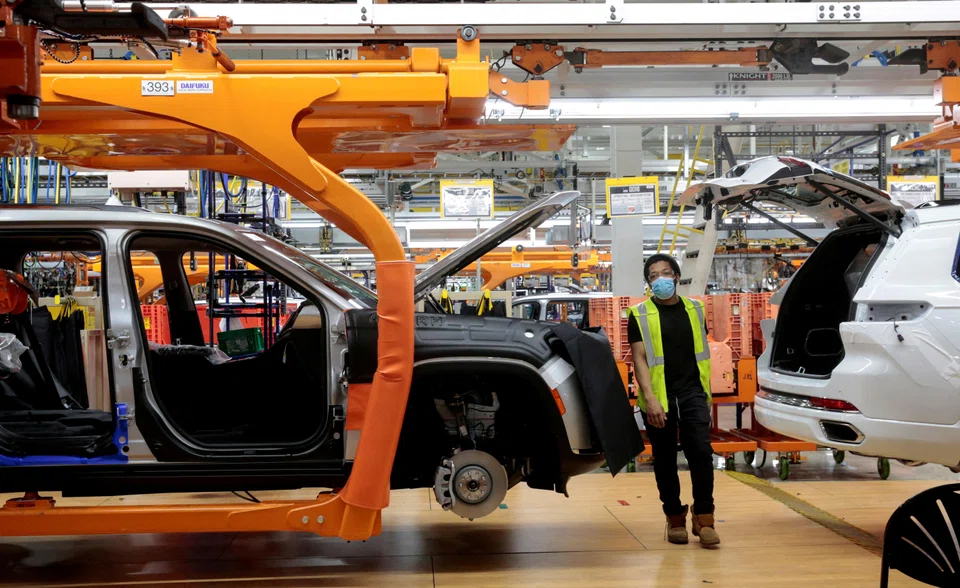
IN THE final stretch of the US presidential race, Donald Trump and Kamala Harris are both touting competing plans to create middle-class jobs for workers without college degrees by revitalising manufacturing. But the candidates are not only playing on the electorate’s nostalgia for a bygone era; they are ignoring the diminished role that manufacturing can now play as a source of growth and opportunity.
Trump proposes to eliminate the US deficit in manufacturing trade by erecting high tariffs. He blames the long-term decline in American manufacturing employment on bad trade agreements and unfair practices by other countries, especially China. Closing off the economy with trade barriers, he argues, will reverse the trend and generate large increases in US manufacturing jobs.
For her part, Harris wants to double down on the Biden administration’s industrial policies, by introducing an additional US$100 billion in federal subsidies to the manufacturing industries of the future.