No Time to Die, no seats to buy: Cathay’s losing battle
Industry strikes and creative bankruptcy have got Hollywood serving up warmed-over fare – and cinemas have paid the price
IF YOU’VE ever longed for a licence to kill, you probably already know that Amazon has gained creative control over the James Bond franchise, in addition to the distribution rights that it already holds for the series.
In any case, you are more likely to encounter James Bond sipping his martini at Marina Bay Sands (MBS) than in a cinema. Casino gambling is on the rise, while cinema-watching is on the wane, and last week’s events underscored this inevitability.
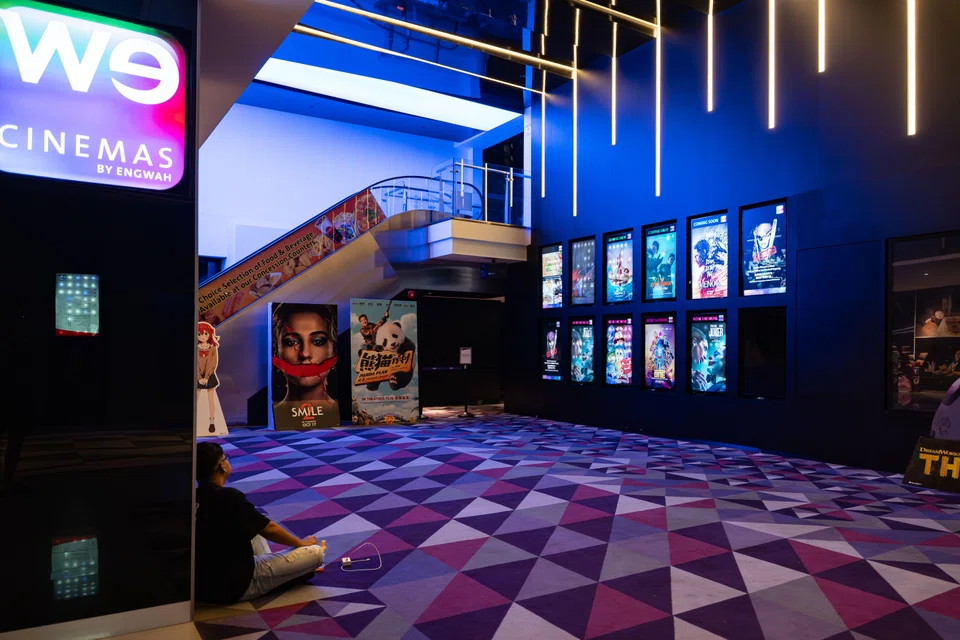
Even as MBS has reportedly clinched a record S$12 billion loan for its gargantuan expansion in Singapore, the beleaguered Cathay Cineplexes shuttered its West Mall location last week.
In Singapore, cinema attendance stood at 10 million in 2023, down from its peak of 22.1 million in 2011. Where everywhere else is concerned, all you need to know, really, is that the French market was the only one in the world to see an increase in cinemagoers last year.
In contrast, casinos have made out like bandits. In the US, 12 out of the 27 states with commercial casinos set new revenue records last year. Closer to home at MBS, Q4 2024 revenue from the operator’s casino segment was up 6.9 per cent on the year-ago quarter. Its rival Genting Singapore – which operates Resorts World Sentosa – saw gaming revenue grow 26 per cent in the same period.
In considering how both industries’ fortunes could diverge so dramatically, it’s clear that the deck has been stacked against Hollywood for years. Gambling is addictive, but movie-watching isn’t – in fact, every now and then, you watch a movie so awful that you’re compelled to go cold turkey on the medium. (Looking at you, Hancock!).
Also, the digital upheaval in both sectors have had surprisingly contrasting effects. People usually only want to watch a movie once, and they’d largely prefer to stream it at home.
And even as the cinema industry watched haplessly, casinos reacted nimbly to their disruptive counterpart, mobile sports betting, by leveraging their digital competitor as a gateway drug for yet more traditional betting.
A casino in Colorado, for example, has developed an extensive sportsbook area with 13 betting stations and a 24-foot video wall. Why scream at your little screen alone at home when you can scream at a larger screen outside, in the company of strangers?
Contrasting business models aside, I wonder if one industry has simply been better at offering escapism than the other. Casinos have famously been adept at disassociating you from the wider world by stowing their clocks and hiding their exits. As their 24-hour neon megaplexes expand across deserts and cityscapes, they will only get better at doing this.
Hollywood, however, has steadily mortgaged whatever magical respite it’d previously offered. Industry strikes and creative bankruptcy have got it serving up warmed-over fare – and cinemas have paid the price. It’s not as if people like movies any less. In the outlier French cinema market, three out of 2024’s top five films were French. Alors, French movies have something that the others lack.
It is unclear what Amazon will do to the James Bond franchise, but if the tech giant leaves the next movie unmolested, the film will end with the same line, per tradition: “James Bond will return”. He well might, but it’s doubtful that cinemas will.