
North Seas energy group shows Europe’s growing multipolarity
 Add BT as a preferred source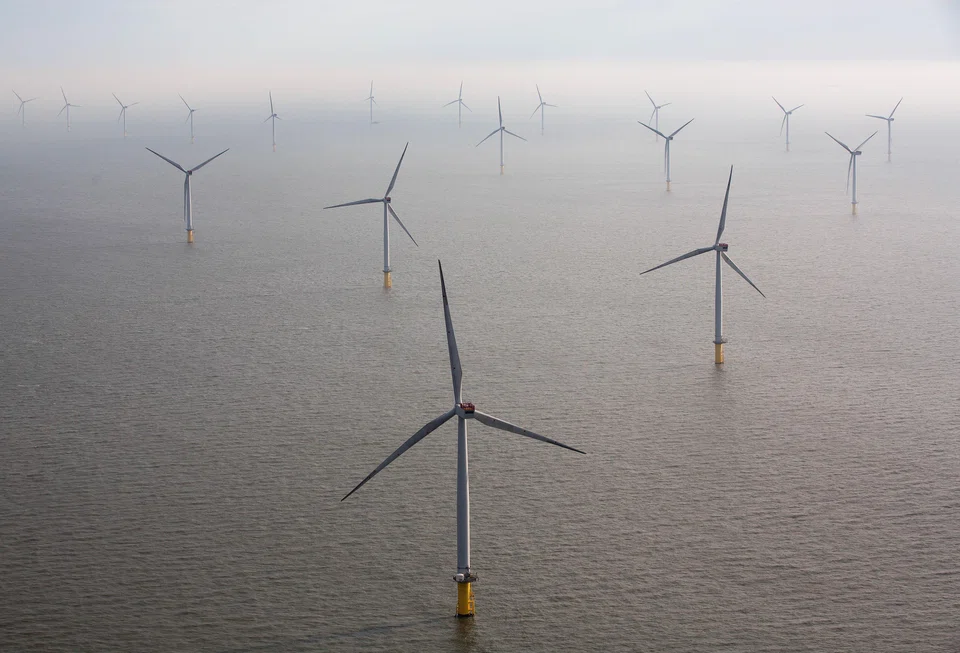
IN THE wake of Brexit, the European Union has increasingly had to get to grips with a more complex, multipolar Europe. The latest sign of this comes this Monday (Apr 24) with the second summit of the “North Seas Energy Cooperation” of nations, which now comprises the United Kingdom, Belgium, Denmark, France, Germany, Ireland, Luxembourg, Norway and the Netherlands.
The nine nations are seeking to cooperate more closely, especially on energy, in the wake of Brexit and other recent geopolitical developments such as Russia’s invasion of Ukraine. One particular focus for the group, which met for the first time last year, is facilitating the cost-effective deployment of offshore renewable energy, in particular wind, and promoting interconnection between the countries with the aim of securing a sustainable, secure and affordable energy supply.
The North Seas Energy Cooperation is only one of the new organisations that has sprung up across Europe in recent years. Another example is the European Political Community (EPC), an intergovernmental forum for political and strategic discussions about the future of Europe, established in 2022. The group first met last October in Prague with participants from 44 countries (the 27 European Union, or EU, member states, plus other European nations) as well as the presidents of the European Council and the European Commission.
Decoding Asia newsletter: your guide to navigating Asia in a new global order. Sign up here to get Decoding Asia newsletter. Delivered to your inbox. Free.
Share with us your feedback on BT's products and services

