

Opec’s gamble: Can the global economy cope with higher oil prices?
Led by a confident Saudi Arabia, the cartel wants to boost its revenues. But persistent inflation could result in weaker demand
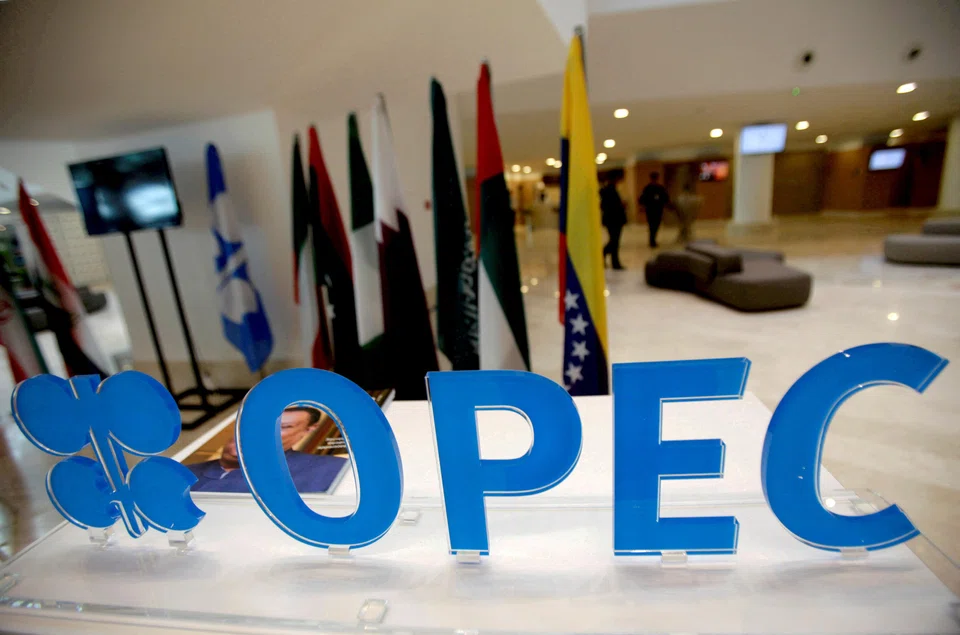
AS A historic price crash in crude brought turmoil to the global economy three years ago, Donald Trump led a broad effort by Western countries to cajole Saudi Arabia and Russia to slash output and prop up the oil market. The Opec+ (Organization of the Petroleum Exporting Countries plus 11 non-Opec members) cuts that emerged spared the US shale sector from collapse. Trump praised Riyadh and Moscow for their help.
Three years on, such cooperation has evaporated. The Kremlin’s war in Ukraine has led Europe to purge Russian energy from its economy, while the Group of Seven (G7) countries seek to dictate the price Moscow earns from its oil. Soaring crude prices last year deepened a rift between Riyadh and the US administration of Joe Biden, who entered office pledging to make Saudi Arabia a “pariah”. In October, the White House accused Opec+ of “aligning with Russia” after it moved to slash oil supplies.
The disintegration was visible again last week, when Riyadh and its Opec+ allies shocked the oil market by pledging to cut even more crude from supply – an effort to shore up oil prices despite swirling worries about the global economy’s health.
The surprise from the cartel was a “watershed” moment, says Greg Priddy, a consultant at the US-based Spout Run Advisory in Washington, with economic and political significance beyond oil markets.
More upward pressure on oil prices – just as energy costs had begun to ease in Western economies – will complicate central banks’ efforts to cool inflation, say analysts, pitting the US Federal Reserve against Opec+.
And if the producer group succeeds in keeping oil prices higher for longer, it may also compromise Western countries’ efforts to restrict the flow of petrodollars into the Kremlin’s war chest.
Above all, the latest cuts reveal yet more volatility in the geopolitics of energy. In an era that many strategists believed would be marked by falling oil demand and the retreat of petrostates such as Saudi Arabia and Russia, power is flooding back to Riyadh.
“Saudi Arabia is now prepared to endure strains with Washington in pursuit of their own economic self-interest,” says Helima Croft, head of commodities for RBC Capital Markets. “Opec is back in the driver seat. It’s set up for a market where the Saudis are calling a lot of the shots.”
But the risks for the Saudis and the global economy are high if they push it too far.
“We have high inflation, economies potentially going into recession, and this is a situation where you need lower oil prices for a short period of time for the economy to recover,” says Adi Imsirovic at the Oxford Institute for Energy Studies (OIES), who once ran oil trading at Russia’s Gazprom.
“If central banks are no longer able to cut rates in the same way, then Opec+ may well be responsible for dragging the whole world economy into a recession.”
One fell swoop
Opec+ cuts tend to come after hours or even days of negotiation. Last week’s came from nowhere – another surprise from a Saudi energy minister, Abdulaziz bin Salman, who has developed a penchant for throwing curveballs at the oil market. The energy minister is the half-brother of Crown Prince and Prime Minister Mohammed bin Salman, the country’s de facto ruler.
With one fell swoop, Abdulaziz also managed to confound those speculators who had bet on falling oil prices after the recent banking crisis sparked new fears about the global economy.
Oil prices jumped after Saudi Arabia and allies, including the United Arab Emirates, Iraq and Kuwait, announced cuts totalling more than one million barrels a day, or about 1 per cent of global demand, rising above US$85 a barrel from US$79 a barrel before the announcement.
Even before the cuts were announced, Wall Street analysts and forecasters such as the International Energy Agency and Opec had expected supplies to fall short of soaring demand by summer, delivering a price surge in the second half of 2023.
Now the question is if Opec’s surprise cut will raise prices too quickly for the health of a fragile global economy, especially as central bankers continue their quest to tame inflation.
“There is a fine line of uncertainty,” says Amy Myers Jaffe, a professor at New York University. Raising prices now, while many poorer consumer countries are already struggling with debt and a strong dollar, “runs the risk of leading the world into a larger financial crisis... where high oil prices aggravate other destabilising factors and, bingo, we see a collapse of everything including oil prices”.
Others think Saudi Arabia is betting the world economy can shoulder costlier oil, especially as China’s economy reopens. Saudi Arabia is conscious about stunting demand, but believes a price of up to US$120 is tolerable, says Amrita Sen, head of research at Energy Aspects.
She thinks the price rise last week was mainly driven by traders looking to cover short positions, but expects a much stronger price surge later in the year.
Meanwhile, producer countries are also feeling the impact of higher inflation and are trying to boost their own revenues in response, argues oil hedge fund manager Pierre Andurand. And crude remains relatively cheap, Andurand argues.
In inflation-adjusted terms, Thursday’s (Apr 6) Brent settlement price of US$85.12 a barrel would equate to about US$73 five years ago. The record-high oil price of US$147 a barrel in 2008 would be closer to US$200 today.
“If you look at Opec countries, they’re suffering from inflation like everyone else – their imports are up a lot in dollar terms,” says Andurand, who has predicted oil prices could hit US$140 a barrel this year. “They’re clearly saying that US$80 or US$90 a barrel is too low. It’s likely to be much higher than US$100 before they react and start raising production.”
Saudi Arabia said on Sunday that its 500,000 barrels a day of cuts were “aimed at supporting the stability of the oil market”. But the kingdom also needs more money to pay for the crown prince’s Vision 2030 project and its so-called “gigaprojects”, such as the development of the futuristic city Neom on the Red Sea. Vision 2030 has long been the centrepiece of the crown prince’s plans to reform the kingdom, but has struggled to attract international investment.
In the past, higher oil prices would have led to government largesse. But Riyadh, which reduced subsidies in recent years, has not reversed a tripling in sales tax during the height of the pandemic that was billed as a temporary measure.
“(Energy minister) Abdulaziz’s task is to generate cash – to make sure that Saudi gets the highest return on its investments, including from its domestic oil production,” says Raad Alkadiri at the consultancy Eurasia Group. “Domestic ambition trumps everything else under MBS,” he added, referring to the crown prince’s initials.
Saudi’s domestic agenda
Domestic needs may have driven the latest Saudi cuts, but the ramifications will be felt far outside the kingdom. The move is more evidence of the breach with Washington – and the depth of Riyadh’s partnership with Moscow.
As the Saudis and other producers cut crude exports between May and the end of the year, demand for the kind of oil sold by Russia will increase, says Roger Diwan, a veteran Opec-watcher at S&P Global Commodity Insights.
This could push prices for Russian seaborne exports above the US$60-a-barrel price cap imposed by the G7, directly benefiting the Kremlin, believe some analysts.
“This is a mega gift to Putin as Russia is bleeding economically and militarily, and suddenly you give them an extra US$10 a barrel on the oil price,” says Imsirovic of the OIES. “It’s a gift for which the rest of the world is paying.”
It will also deepen the disenchantment with Saudi Arabia in Washington, where the Biden administration spent months on shuttle diplomacy last year to persuade Riyadh to increase oil supply to cool soaring prices. In October, when the cartel announced an earlier round of cuts instead, the White House accused Opec+ of “aligning with Russia”.
But the irritation is mutual. The Biden administration’s climate change focus has not gone down well in oil capitals, especially when coupled with demands for more crude supply after the invasion of Ukraine. Nor did the US’ decision to release millions of barrels of oil from its Strategic Petroleum Reserve last year in an effort to lower petrol prices.
“You have a much more independent course taken by the Saudis politically,” says S&P’s Diwan. US influence over Saudi oil policy has now “gone”, he says.
As the US’ shale revolution peters out, Opec+ no longer fears a surge in production from Texas if prices rise, giving the cartel freedom to cut supplies, say analysts.
Saudi Arabia may also feel it has the US in a corner. Riyadh’s deepening relationship with China means there is concern in Washington about “losing” Saudi Arabia to Beijing if the US pushes back too hard on oil policy.
But, at the same time, some policy analysts believe focusing too hard on competition with China is blinding the US to the influence it still has over Riyadh, particularly in arms sales and military support.
There was little follow-through in October, when senior Democrats vowed repercussions on the kingdom after it slashed oil supply. Abdulaziz, the energy minister, openly gloated in the months that followed that the US had been wrong to chastise them as oil prices remained relatively steady.
“The US treated them with kid gloves (in October) and really shouldn’t have,” says Priddy of Spout Run Advisory. “They’ve got F-15s that can’t be kept in the air without US technicians. Behind closed doors, we don’t need to be polite about it.”
Although the administration’s response to the latest cuts has been muted, the tensions will be visible again if oil prices rise back towards US$100 a barrel or the economy slips into a recession. The Biden administration is acutely aware that high pump prices are an electoral liability.
“There is a belief in Saudi Arabia that the US won’t create a major kerfuffle over higher oil prices, unless they really get out of control,” says Eurasia Group’s Alkadiri. “But when you’re playing with a global superpower, that can come back to bite you.” - With additional reporting by Samer Al-Atrush in Dubai. FINANCIAL TIMES
TRENDING NOW
Green fuels, autonomous ships: How Singapore is future-proofing its shipping industry
US trade chief to consider trade deal tariff caps in excess capacity probe

Grab CEO’s wife Chloe Tong on life with Anthony Tan and finding her purpose

Deal between tycoon friends sparks scrutiny of Philippine power sector

