

Optional early retirement schemes: Golden handshake or a nudge out the door?
Why more companies in Singapore are offering employees early retirement these days


RETRENCHMENT, outplacement or golden handshakes are not unfamiliar to the corporate world, but increasingly, early retirement is also being offered to employees who want to take an earlier break from their career.
In the pandemic years, there were companies, especially those in the aviation industry, offering ad-hoc early retirement to cut labour costs.
Some companies, however, are now offering it to staff who are above a certain age but below the statutory retirement age of 63, regardless of the state of the economy.
Features of the programme vary among employers; some do not offer any incentives to induce staff to call it a day when it comes to their career, but there are some that dangle carrots.
Some employers do not view the optional early retirement scheme as a negative, but a reward for staff. Meanwhile, there are others that The Business Times spoke to who are “not comfortable” speaking with the media about this, mainly due to its negative connotations.
What it means
OCBC is one employer whose staff can opt for early retirement, with a handful of them opting for it annually.
But its workers do not receive any incentives to take up the voluntary scheme. They do, however, get to enjoy staff privileges even after they retire early.
Introduced more than 10 years ago, the bank’s employees aged 55 and above who have worked there for at least 10 years can request for early retirement.
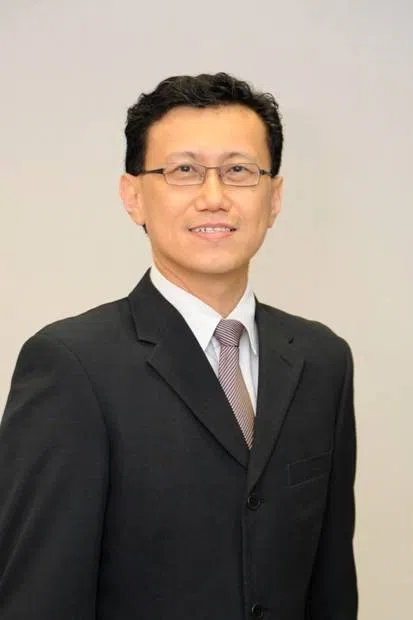
Ernest Phang, managing director for group human resources at OCBC, says: “We recognise that as our employees continuously evaluate their life priorities, some may choose to leave the workforce before the retirement age to focus on other aspects of their life that are more important to them.
“The early retirement programme is a way for us to show our appreciation to employees who have been with us for a long period.”
Similar to those who retire at the statutory age, employees who opt for early retirement will continue to enjoy banking privileges including preferential rates and waiver of certain fees for deposit accounts, credit cards and securities trading accounts that they previously enjoyed as staff.
For employees who do not wish to retire early but are looking for more flexibility to focus on other aspects of their life, OCBC offers permanent half-day work arrangements for staff to work full or part-time based on hours of their choice or opt for project-based gig work.
In the same vein, chief executive of recruiter Elitez Group, Derrick Teo, has a multinational corporation client in Singapore that offers early retirement to selected employees above 55 years old and have served for more than 15 years.
According to Teo, if this option is taken, the employee will convert to a consultant role that works 30 to 50 per cent of the usual hours, and assists fellow senior management in project-related duties and decision stewardship. In terms of the remuneration package, it is about 50 per cent of the last drawn pay, but without employment benefits.
Such a programme helps to maintain the talent and expertise within the organisation’s periphery, but reduces employment costs, the way he sees it.
“When Singapore society ages, I believe that a greater proportion of the workforce will request for a job-scope reduction from their employers,” he says. “This is likely to spur more companies to consider implementing a plethora of options for senior employees such as consultancy, job-sharing, part-time work, project work, variable work contracts and early retirement.”
Retrenchment in disguise?
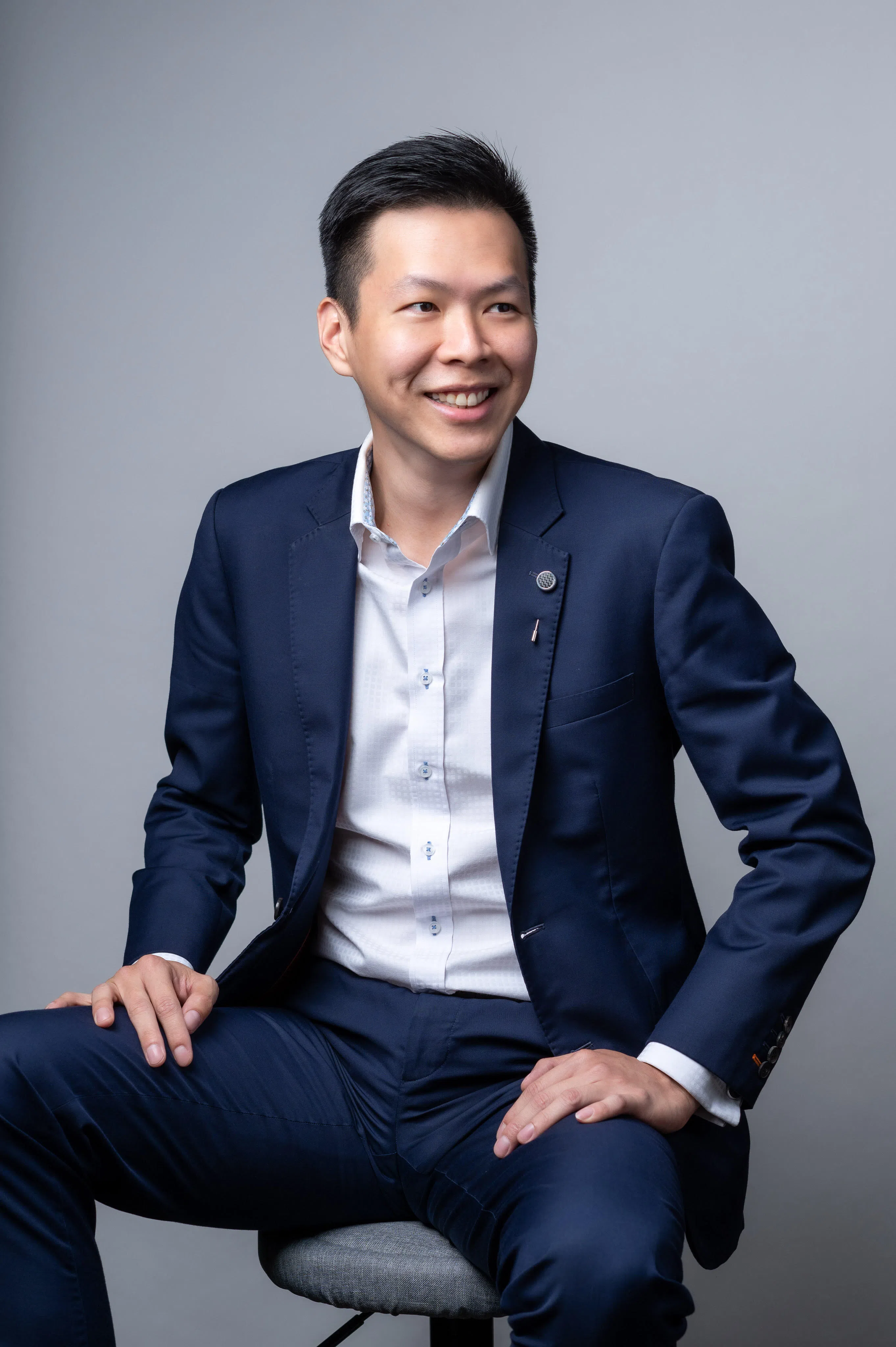
Meanwhile, Walter Theseira, a labour economist from the Singapore University of Social Sciences (SUSS), points out that early retirement is typically offered by companies as a less-hostile way of conducting retrenchments or workforce turnover.
Such a scheme is usually only considered when there is a need to address workforce age and seniority structure, or there is excess manpower, says the associate professor, who described early retirement schemes as “basically an alternative to retrenchment”.

“It is more costly to the company in the short term (usually, financial inducements are offered for early retirement) but less costly in the long run if they can refresh their workforce or reduce manpower,” says the academic.
From the national manpower perspective, there may or may not be any effect, he adds.
“This is because early retirement is generally from a specific employer, and there is nothing precluding the ‘retiree’ from taking up a job elsewhere. So there is no ‘loss’ to manpower per se.”
However, as early retirees are likely to have been offered a financial package, they may consider leaving the labour force entirely if they believe they have enough funds to retire.
But this is no different from any other retiree who can live comfortably on their savings. Whether they re-enter the labour force depends on whether there are aspects to work that they find attractive other than financial necessity.
“For those who would like to continue working, there would be implications for reskilling programmes and career placement at the national level, as such workers would likely need employment support to find a new job given their age and also, the likely implication that their skills are less relevant today (otherwise, the company would not be offering them early retirement),” Prof Theseira notes.
For workers, there will be some who are happy to take such an offer – such as those who are intending to retire or leave for other reasons soon. There are also those who recognise that it is basically a retrenchment alternative and who may not want to take it up, or feel pressured into taking it up, and hence will be unhappy.
“There may often be hints from the employer that, for example, if early retirement is not taken, then there may be undesirable assignments for the staff, (such as) adjustments in compensation and the risk of retrenchment. Thus, it would often not be considered neutral for staff,” Prof Theseira points out.
Companies cannot legally adopt a company-wide retirement policy pegged at an age lower than the statutory retirement age, or to target a specific person or segment of a company’s workforce for retirement solely on account of age, National Trades Union Congress’s deputy secretary-general Heng Chee How says.
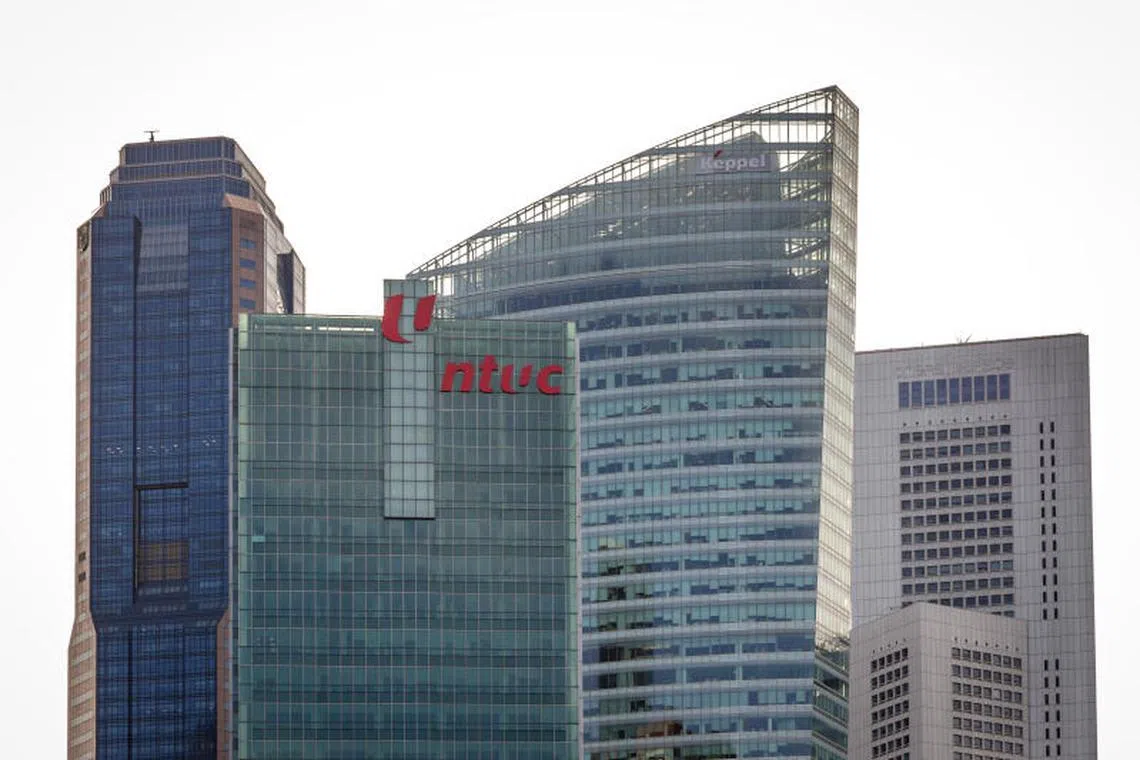
Where companies introduce measures aimed at dealing with excess manpower, he added, these measures must fully comply with stipulations under the Employment Act, Retirement and Reemployment Age Act, Collective Agreement, and relevant tripartite guidelines.
“In respect of any early retirement programme, eligible individuals must have the choice of voluntarily taking it up. They must not be (pressured) into it,” Heng says. “When in doubt, union members should seek advice from their unions.”
The tax man cometh
For someone who plans to retire at 50, they will need to have about 35 years of savings to spend based on the average life expectancy, points out Jaya Dass, managing director of recruitment company Randstad Sourceright and Risesmart in Asia-Pacific.
According to the Inland Revenue Authority of Singapore (Iras), early retirement benefits received by employees are taxable, as they are given in recognition of the employee’s past service to the company.

An Iras spokesperson says: “The full amount of these benefits will be subject to tax in the year that the employee is entitled to the payment, typically the year of retirement.”
Retirement benefits received by an individual from his or her previous company remain taxable, unless specifically exempted under the Income Tax Act, even if the individual subsequently takes up employment elsewhere.
Early retirees who transition to self-employment – for example, as an independent consultant, private-hire car driver, freelance delivery rider, online seller or home baker – must declare their self-employment income under “Trade, Business, Profession, or Vocation Income” in their annual income tax returns.
“This income must be reported even if it is carried out on a part-time or casual basis or intermittently,” says the Iras spokesperson.
For corporations, voluntary early retirement benefits are generally tax-deductible if the existing business continues, as these payments are considered business expenses incurred for the continued production of income.
“However, they are not tax-deductible if the business ceases completely as the income-producing activities stop, and these payments will not be considered as wholly and exclusively incurred in the production of income,” the Iras spokesperson says.
Zooming out
Even as early retirement schemes become more common, SUSS’ Prof Theseira points out that this phenomenon is not new in the global context. He notes that there had been waves of early retirements when there was major industrial restructuring in other countries.
While he points out that this seems less likely in Singapore, one area to look at in the near future would be petrochemicals, given the green transition. Other possible sectors would be where autonomous technology may be developed. For example, the public transport sector would see a need for such a package for bus drivers.

Randstad’s Dass notes that Japan witnessed a different trend taking shape in recent years, as more companies start to offer voluntary early retirement programmes as a means of reducing payrolls, particularly since the pandemic.
“In Japan, there is a cultural reluctance to manage performance through termination, redundancy or redeployment, particularly for older workers. As a result, early retirement is often used as a softer alternative to address workforce management challenges,” Dass says.
The story is different for Singapore, adds the recruiter. Introducing early retirement could change societal perceptions of retirement, which may motivate more people to plan ahead. This might lead to shifts in how individuals approach career planning, savings and personal development.
TRENDING NOW

Singapore identifies 7 firms responsible for haze fires, notices issued urging action: Grace Fu

DBS remains analysts’ pick ahead of Q3 earnings after Singapore banks’ share slump

High Court rules against Julius Baer’s Singapore trust arm in US$50 million family trust dispute

Could stablecoins be the future of money?

