

Orchestrate a supply chain transformation in 2024
We are at the inflection point of another huge step change in supply chain management as we head into next year
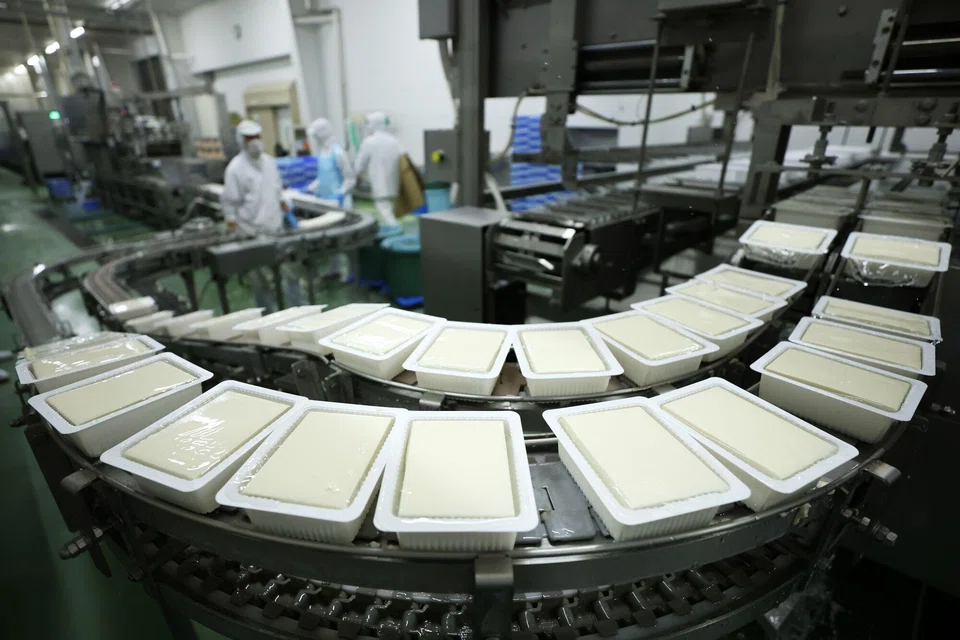
EVERY day, thousands of companies perform magic. Millions of parts from thousands of suppliers are manufactured and transported to the right place at the right time, with the correct documentation, and with financial transactions to customers in hundreds of different currencies.
As a supply chain leader with more than 25 years of experience, I still marvel at how it works so effectively and generally reliably, because supply chain management is as much an art as it is a science.
We’ve had an awful lot of practice. Humans have been managing supply chains for a very long time because from the dawn of civilization, we have been using, trading, and transporting materials to survive and thrive. Every empire ever to exist was built on the foundation of trading and supply chain management. The existence of cities was dependent on supply chain management – the better the supply chain, the bigger and more prosperous a city would become.
Industrialisation in the 18th and 19th centuries only happened thanks to advancements in supply chain management, and the advent of mass production in the 20th century brought new process capabilities. The explosion of globalisation in the late 20th and 21st centuries was enabled by the digitisation of supply chain management.
And we’re now at the inflection point of another huge step change in supply chain management as we head into 2024. A nexus of forces is driving this latest evolution:
- Supply chains now extend far beyond physical goods – digital assets and services are intrinsic parts of a modern supply chain
- Supply chains have historically been built on the extraction of material, depleting the planet, and creating damaging effects
- Supply chains account for 80 per cent of greenhouse gas emissions and if we carry on unchecked, our planet will be uninhabitable in a few generations
These new areas, along with the supply chain function becoming more closely tied to key corporate financial goals, call for a strategy that brings critical activities into synchronisation: supply chain orchestration.
A modern approach
If you’ve been to a symphony, you know the final performance of a musical composition is the product of dozens, if not hundreds, of elements coming together in perfect harmony. From the moment the composer plans and writes the piece to the contributions of each individual musician’s instruments and the direction of the conductor – the music you hear is the result of the art and science of orchestration.
Supply chain orchestration is also an art and a science. It’s a subset of supply chain management that pulls together all of the key supply chain elements – the people and physical, digital, and financial assets – in a way that will meet customer expectations and corporate goals, all while preserving the planet.
Over the past decade we have seen a huge shift towards digital assets, and going forward, we’ll also see a trend towards delivering a significant increase in services as supply chains become more circular.
As physical assets, digital assets and services become more interconnected and form a critical part of the new supply chain ecosystem, this requires additional capabilities. For example, the integrated business planning process will need to consider physical and digital products and services, plus the supply chain organisation will have a greater role in planning the human capital resources required to deliver digital products and services.
At the same time, the supply chain management function has moved ever closer to finance. As supply chains transition to delivering both top and bottom-line performance, the scope of supply chain management is broadening to include financial assets and transactions.
Less consumption and less waste
Each year, more scientific evidence emerges to support the need for environmental accountability while doing business. The fact is we can’t continue to extract more and more raw materials and ultimately send them to landfill – our resources are finite and the damage our consumption creates needs to be minimised.
Going forward, supply chain management will increasingly focus on driving efficiency and reduction in waste. We will see more businesses adopting more circular supply-chain models, and trends like leasing rather than buying products, while re-use and repair will force organisations to completely rethink their supply chain impacts. And of course, technology is evolving to address these concerns – data collected from sensors embedded in products are becoming critical components in improving the accuracy of supply chain planning.
The good news is – the focus on minimising waste and more efficient use of materials is also helping reduce supply chain costs. For example, in a pilot study by Bosch, the product cost of a heat pump was reduced by 44 per cent thanks to a new, simplified design.
More sustainable and more resilient
As supply chain professionals develop their strategic management skills in these areas, end-to-end transparency and hyper agility will ensure that tomorrow’s supply chains become more resilient and agile enough to pivot depending on new technology and evolving, green corporate goals.
There’s a real need to have real-time, well-communicated transparency across the entire network to empower organisations to make better decisions when planning and executing supply chains.
Progress is not going to slow down; it’s only going to speed up. Some experts predict that in the next three years, more data will be produced than in the previous 30 years. Artificial intelligence (AI)/machine learning is an essential tool to rapidly process and draw insights from this exponential growth in data. In supply chain management, AI will deliver incredible new insights that help make supply chains more resilient, sustainable and efficient.
AI will also help to automate repetitive tasks, ultimately replacing many of the low-value-adding activities that planners perform today. At the same time, AI doesn’t diminish the critical roles of the people who manage these complex networks.
While responsibilities may change, people will remain at the heart of supply chain management. It takes human intelligence to build partnerships, see new opportunities and make complicated decisions, and AI will be a useful tool for us to use to create efficiencies and streamline processes.
The transition (and opportunity) phase in 2024
Right now, the supply chain profession is in a transition. It’s clear the tools and techniques that worked well for the past 30 years won’t survive the next five years.
The scope of supply chain management is expanding to include physical, digital and financial assets. Supply chains are spearheading a step change in efficiency, using fewer base materials and supporting the move to a circular economy.
With greater transparency and agility, and the use of AI, supply chains are becoming more resilient and sustainable.
Given all these forces driving change, there’s never been a better time to be a supply chain professional. You are in an enviable position to drive transformations that will have a great impact on your organisation and the profession itself.
The writer is an industry thought leader at Kinaxis
TRENDING NOW

Singapore telco recovery at least 2 years away despite StarHub-M1 merger, say analysts
US chip controls to hit Asean data centre boom; lenders, China AI players exposed: Natixis

Prive liquidators meet with creditors a year after restaurant group’s shutdown

Huang apologises to Nvidia staff, says he’s in daily therapy

