

Overcoming the labour crunch in South-east Asia as a small retailer
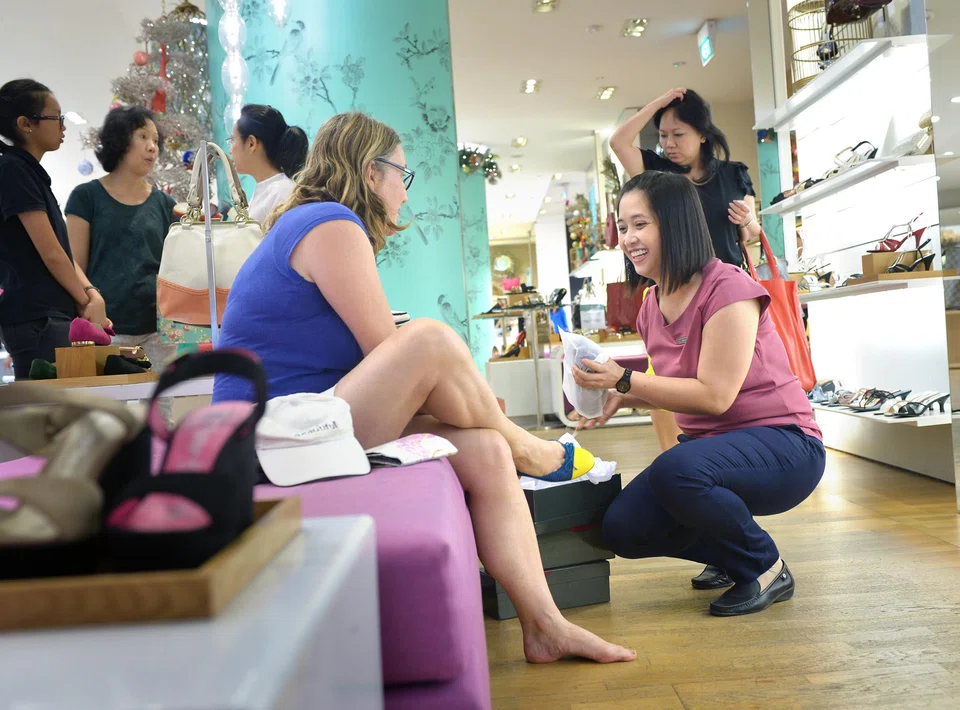
FACED with an intensified labour crunch, many businesses in South-east Asia are struggling to hire and retain workers in an increasingly competitive hiring market. The retail sector is also not spared, with NTUC LearningHub reporting that over two in five retail employees in Singapore plan to leave the sector in 2023.
This is a cause for concern, given that retail associates are key to a well-functioning retail ecosystem. Associates serve as the bridge between retailers and shoppers, playing a pivotal role in ensuring shopper expectations are met. Coupled with the shift in shopper behaviours post-pandemic, retailers big and small now need to grapple with labour shortages and supply chain challenges, all while bridging the ongoing disconnects between shoppers and associates.
Technology can be the key to overcoming workforce challenges, especially for smaller retailers who may not have access to the same resources their larger counterparts have. Retail-ready solutions are instrumental in training new associates faster and encouraging upskilling of existing associates. These same solutions are also essential in engaging and retaining younger employees – “digital natives” – as they make up an increasingly large percentage of the workforce.
Zebra’s 15th annual global shopper study supports this – most associates and decision-makers surveyed believe technology is an asset in attracting, training and retaining good staff, with 85 per cent of decision-makers and 79 per cent of associates globally agreeing that associates enabled with the latest technology help provide a better customer experience.
Future-proofing the retail sector
The retail sector has been hit hard by the “great reshuffling”, with many employees rethinking their career paths and leaving their jobs for other opportunities with better training, more flexibility, and other perks.
According to the same Zebra study, the Asia-Pacific (APac) region had the highest percentage of retailers (80 per cent) who agree upskilling and reskilling current store staff is a significant challenge. However, as the industry continues to evolve, it is essential that retailers support their associates by providing them with the right technology and training to stay relevant. Most surveyed retail associates and retail decision-makers agree that stores leveraging retail technology and mobile devices attract and retain more employees.
More can be done to educate and upskill current retail associates. However, it does not have to be a complex process. Retailers can invest in enterprise software applications running on mobile devices and powered by intuitive and familiar operating systems, which can speed up the training process for new associates. The devices can be loaded with video-on-demand software apps and other self-directed learning tools that support more effective on-the-job training. With the aid of such new technology, new hires are empowered to pick up the ropes quickly and become self-sufficient faster.
Small and medium enterprises (SMEs) in South-east Asia report their biggest concerns to be the maintenance of cash flow, decreased sales, potential closure of business, and an increasing inability to engage customers. To keep up with customer demands while maintaining operational efficiency, smaller retailers must consider ways to manage and augment their workforce using technology.
From a retail associate standpoint, 74 per cent of those surveyed view their employer more positively when equipped with the right devices or tech tools, and nearly 80 per cent feel more valued by their employer when they provide them with technology to help them work. The simple and comprehensive guidance provided via retail-ready mobility solutions enables easy upskilling and cross-training for current employees. With more training and powerful tools available, employees can easily move between different roles, helping them to optimise scheduling and allowing for more seamless task management.
Powered by an augmented workforce, smaller retailers will be better positioned to match up to more established retailers in terms of store associate efficiency and their ability to meet customer needs.
Fulfilling needs of the new generation
To effectively augment the workforce, retailers need to first acknowledge, understand, and communicate with their workers. Estimated at 24 per cent of the population as of 2021, Gen Z is the demographic that will have an increasing impact on society and the economy in South-east Asia over the next few decades.
Gen Z is the first generation of truly digital natives. As they enter the workforce and form the next generation of consumers and workers, they bring new expectations around technology, which puts even more pressure on small businesses to invest in solutions that support a future-ready storefront.
As the human touchpoints of the retail front, retail associates should be further empowered with the right technology to help them perform their tasks, handle customers’ queries, and ensure they are equally connected to information as the shoppers are, allowing them to best play their crucial role in elevating customers’ shopping experience and improving customer loyalty.
Christanto Suryadarma is South-east Asia sales vice-president at Zebra Technologies Asia-Pacific






