

An overstimulated US economy is asking for trouble
An overlooked reason for US resilience is the stimulus still coursing through the economy
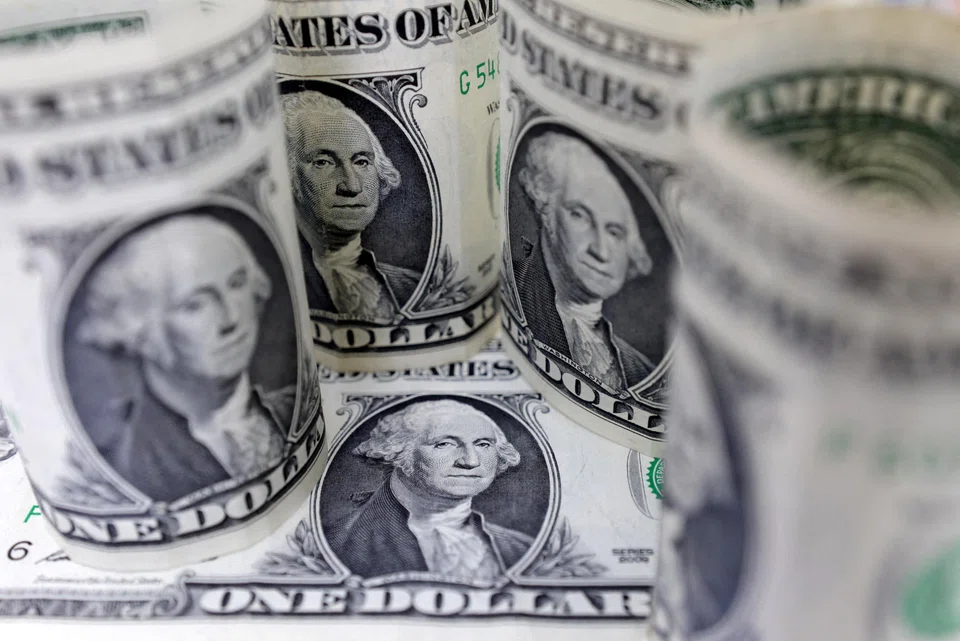
WHEN US gross domestic product (GDP) growth is reported later this month, it is expected to come in at a solid pace of at least 2 per cent for the seventh quarter in a row, defying the once universal expectation that Federal Reserve rate hikes would trigger a recession. First, economists dialled those forecasts back to a “soft landing”; now, they are talking about “no landing”.
Conventional forecasting models have been more off the mark than usual in this post-pandemic recovery. But why? Perhaps the most overlooked explanation for American resilience is that, far more than other developed countries, the United States kept stimulating its economy well after the recession of 2020 was over.
Some of that fiscal and monetary stimulus is still coursing through the system, keeping growth artificially high and inflating both consumer and asset prices.
Post-pandemic boosts
After the pandemic struck, presidents Donald Trump and Joe Biden unleashed about US$10 trillion in new spending – US$8 trillion of that after the brief, lockdown-induced recession of early 2020 was over.
US government spending has been running at a yearly level about US$2 trillion higher than its pre-pandemic norm, and is on course to set records as a share of GDP.
Meanwhile, the rest of the developed world has been heading in a different direction. In the years since the start of the pandemic, rising deficits amounted to a cumulative 40 per cent of GDP in the US, twice the average in Europe, and a third higher than in the United Kingdom.
By some estimates, fiscal stimulus accounted for more than a third of US growth in 2023; without it, the US would not look like such a marvel compared with other developed economies.
Even more under-appreciated than the boost from runaway government spending is the way that monetary growth has been supercharging the US economy and the financial markets. The Fed created so much money during the pandemic that, by some measures, the excess has still not been fully absorbed by the economy.
The broad measure of money supply known as M2 – which includes cash held in money market accounts and bank deposits, as well as other forms of savings – is still well above its pre-pandemic trend. In Europe and the UK, where monetary stimulus was less aggressive, M2 has fallen back below trend.
This liquidity hangover has countered Fed interest rate hikes and helps explain the current behaviour of asset prices. Corporate earnings are up, on strong GDP growth, but prices of stocks – not to mention Bitcoin, gold and much else – have been rising even faster.
This odd combination – higher stock valuations despite higher rates – has not happened in any period of Fed tightening going back to the late 1950s.
A similar levitation act is visible in the US housing market: despite higher mortgage rates, prices have risen steadily and faster than in other developed nations. Since 2020, the total net worth of US households has risen by nearly US$40 trillion to US$157 trillion, driven by home and stock prices.
For the better off, this “wealth effect” is a happy turn. More Americans plan to vacation abroad this summer than at any time since records begin in the 1960s. For the less well-off – who summer locally, do not own a home and tend to be younger – these conditions are less felicitous.
When the sugar rush wears off
There are, of course, other reasonable explanations for US resilience, including the surge in immigration and the artificial intelligence boom.
Moreover, many American debtors are paying fixed rates and won’t get hit by rate hikes until they need to refinance their loans. New government incentives are drawing billions in investment to subsidised industries, from green tech to computer chips.
But this much seems clear: with both consumer prices and asset prices more elevated in the US than in its peers, the economy is overheated and the Fed has less room to cut rates than expected.
As long as interest rates remain higher for longer, the US will be asking for worse trouble if it keeps running deficits close to 6 per cent of GDP; that is twice the pre-pandemic average for the US, and six times the median for western Europe. The US cannot sustain such aggressive stimulus indefinitely, and government spending is already slowing.
Economics is far from an exact science, and it is hard to know when exactly the sugar rush from the past stimulus will wear off. But once it does, the landing may come faster than any conventional model suggests now.
The writer is chair of Rockefeller International
TRENDING NOW

Singapore expects all parties to honour commitments, says PM Wong after Indonesia cuts gas exports

China’s US$3.5 trillion stock rout deepens as profits sink, major stimulus stays elusive
Gas supply cut from Indonesia accounts for less than 2% of Singapore’s daily gas demand: EMA

Singapore’s central gas buyer affirms Indonesia’s role as ‘important partner’ amid export review warning

