Ozempic’s contradictory math has a simple answer
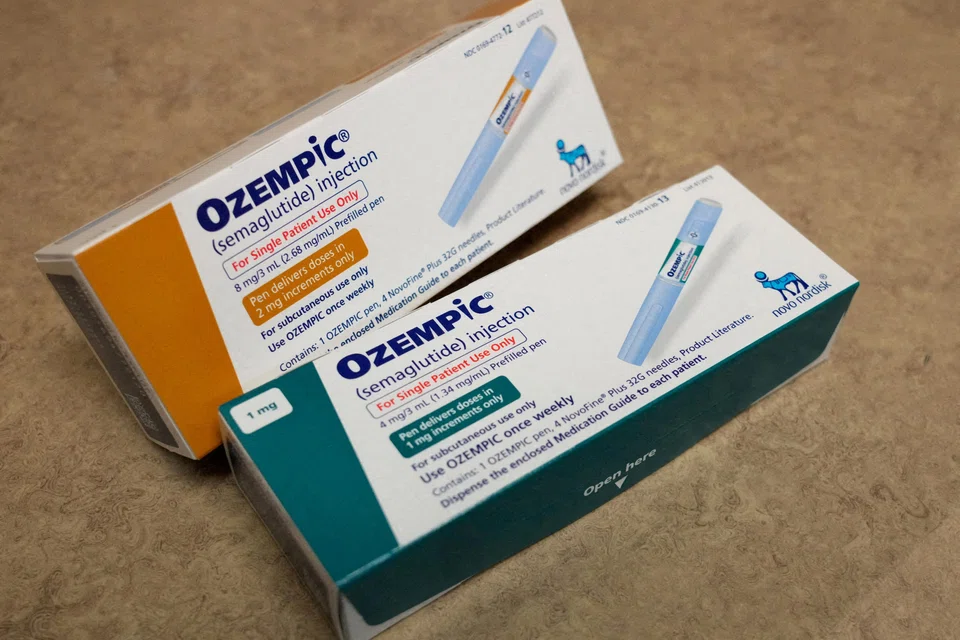
OZEMPIC and Wegovy have been shrinking people’s bottoms, and now they might also be shrinking corporations’ bottom lines. What happens when people eat less, drink less, and eventually weigh less? The market has spent October’s earnings season doing the math, and consequently developed indigestion over what this will cost us.
This year, demand for the drug generically known as semaglutide has been insatiable as patients use it to increase satiety and turn off the constant hum of “food noise” that plagues a food addict’s brain. Kilograms have slid off bodies with freakish speed – users are reporting weight loss of 10 to 22 per cent in their first year of use.
Since then, market sentiment about smaller appetites has swung between alarm and relief more wildly than a yo-yo dieter’s weighing scale.
Alarm! The new weight-loss drugs have caused people to buy fewer groceries, Walmart says. Relief! PepsiCo says that the drugs have not taken a bite out of sales.
Alas, alarm again – a recent study found that Ozempic was effective at treating kidney failure early. The news duly kneecapped kidney dialysis provider companies, their stock prices tumbling by double-digit percentages.
Ah, but jubilation from another quarter: Ozempic-maker Novo Nordisk raised its financial outlook last week for the third time this year, boosting its share price to a record high.
Will a significant decrease in obesity create more value than it destroys? Experts will need a far larger envelope and a lot more time to do all the sums involved.
The healthier and lighter consumer might eschew Big Macs (NYSE: MCD), but buy Lululemon yoga pants (NASDAQ: LULU) instead. Cured of sleep apnea and free of their CPAP machine (NYSE: RMD), they will log onto Tinder (NASDAQ: MTCH) and consequently need to overhaul their wardrobe (NYSE: GPS) before date night. All this, even before second-order effects like healthcare savings and productivity gains from a healthier workforce are factored in.
Ozempic and Wegovy are just the beginning. The weight-loss drug sector is set to get more crowded and sophisticated. Eli Lilly has an even more effective obesity drug in the offing, and it will compete in this space alongside more than half a dozen other rivals. Within a decade, annual sales of these drugs could reach US$100 billion, analysts estimate.
Hard numbers aside, this development represents overdue progress for the soft underbelly of modern life too. Globally, obesity has nearly tripled since 1975. The closer we get to a medical solution, the better we can frame obesity as we do any other chronic disease – not as a failure of morals or willpower, but as a legitimate health condition deserving of treatment.
The jury is still out on whether these drugs are safe and effective over the long term. But if they live up to their promise, the afflicted will also be able to live up to their own; obesity is not merely a physical prison. It is a mental one that forces larger people to live a smaller life. It is hard to overstate what an innovation like this could do for humanity and impossible not to be optimistic about its potential.
As investors, we might wonder if we can afford to have smaller appetites. But as members of the human race, we ought to wonder if we can afford not to.