Pakistan’s fate up in the air as it heads for elections
PAKISTAN seems to be having a respite from turmoil following an injection of funds from the International Monetary Fund (IMF), Saudi Arabia and the United Arab Emirates, even after last week’s jailing of former prime minister Imran Khan. The cash infusion late last month served to tide over the prospect of a debt default as the country’s foreign reserves ran down and threatened a balance-of-payments crisis. Inflation has also eased somewhat, but the country is by no means out of the woods.
As the IMF noted, the country’s problems remain both “complex and multi-faceted”. At one stage, the situation was so dire that street lights across the country had to be switched off, and shopping malls and restaurants were ordered to close at 10pm to conserve foreign exchange needed to import energy supplies.
The country’s economic woes have grown for some years now both because of economic mismanagement and from natural calamities such as the devastating floods last year that resulted in an estimated US$30 billion in damage. Ironically, Pakistan is responsible for 1 per cent of the world’s greenhouse gas emissions, yet it is the eighth most vulnerable nation to the climate crisis. And things may get worse as natural stores of water in the Himalayan glaciers melt down as the planet warms. Nevertheless, those are the cards that Islamabad has been dealt and it will have to cope as best as it can.
Of course, life for most Pakistanis would not have been so hard if the nation’s politics had been less messy. Elections are to be held within 60 days when the terms of both provincial and national legislatures expire this weekend. But it is anyone’s guess how things will turn out. As it stands, there are broadly three factions vying for power: the current ruling coalition; the followers of Imran Khan, who faces a plethora of corruption charges; and army generals who have seen fit to grab the reins of power three times in Pakistan’s 76 years of independence. Riots and civil unrest almost threatened to rip the country apart in May. There have been a fair few attempted or successful assassinations of both civilian and military leaders; all of which give a good measure of the volatile nature of Pakistani politics.
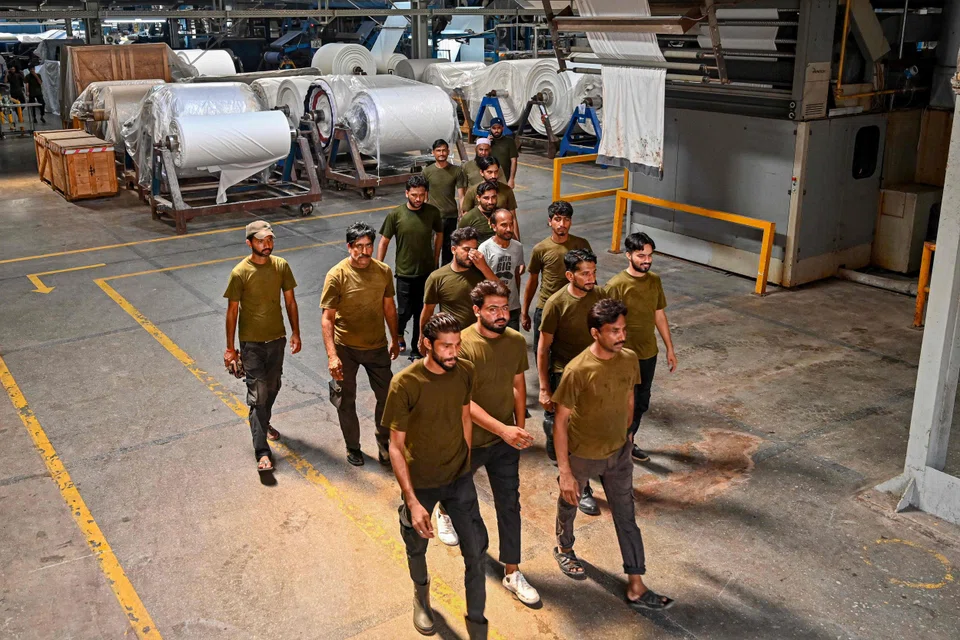
Nonetheless, whoever emerges in a leadership position after this campaign period will have their hands full just trying to get the country back to a modicum of economic growth. The IMF has prescribed stringent conditions for its bailout, including a market-set exchange rate for the currency, increased energy tariffs, and a widening of the tax net. In response, Pakistan’s central bank has raised the interest rate to 22 per cent. Still, local industrialists find it increasingly unviable to continue production due to the rising costs of inputs because of the declining currency.
Other measures will presumably follow after the elections. It remains to be seen if the IMF-imposed conditions will enable Pakistan to rise out of its morass. As a nuclear-armed power, the country’s fate matters to the rest of the world. Those nukes may fall into the hands of terrorists if Pakistan descends into chaos because of a failing economy or political paralysis. International aid agencies, its neighbours and friends should stand ready to lend a hand.