

Pet insurance demand still rising, but growth may be losing bite
Vet fees can get costly, but some owners choose to stay uninsured while independently managing their pets' healthcare expenses


[SINGAPORE] Pet insurance remains a growing segment of Singapore’s insurance market, but signs are emerging that the surge in take-up, fuelled by pandemic-era pet adoption, may be moderating.
While insurers told The Business Times that demand for pet insurance has risen over the past five years, one observed that policy adoption growth has eased following an initial surge in the immediate aftermath of the Covid-19 pet adoption boom.
The slowdown comes despite how pet ownership is on the rise in Singapore, albeit at a more moderate pace post-Covid. The number of licensed dogs in Singapore climbed 30 per cent to around 91,000 as at 2025, from 2019, while the cat population rose to 94,000 in 2024, up by nearly 10 per cent from 2019, The Straits Times reported.
The affordability of pet healthcare came under the spotlight after the Ministry of National Development said on May 6, in response to a parliamentary question, that authorities have no plans to allow MediSave funds to be used for veterinary fees or pet insurance premiums.
Unlike medical care for humans, pet healthcare in Singapore is not subsidised, leaving owners to shoulder veterinary bills themselves.
Moreover, veterinary expenses have escalated in recent years, as costs of manpower and medical supplies rise and owners increasingly treat pets as part of the family.
While costlier vet visits have fuelled demand for pet insurance, some owners choose to stay uninsured and to independently manage their pets’ healthcare expenses due to policies’ limitations and exclusions.
Growth continues, though momentum may be easing
All four insurers that BT spoke to reported rising take-up of pet insurance over the last five years, although they declined to provide specific policy numbers.
Etiqa Insurance Singapore has recorded a roughly 20 per cent year-on-year growth in pet insurance purchases since launching its pet insurance offering in January 2024.

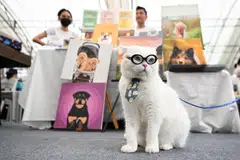


MSIG’s PawEasy policy, launched in April 2025, also posted a double-digit increase in policy counts in the first quarter of 2026 from the previous quarter.
Meanwhile, Income Insurance reported demand for its Happy Tails policy growing more than 20 per cent year on year. The policy was launched in 2021 in response to rising pet ownership.
However, demand appears to be moderating at CIMB.
The bank’s My Paw Pal insurance plan, launched in 2019, saw policy counts rise by over 38 per cent between 2021 and 2023, fuelled by a wave of “pandemic pets” as Singaporeans turned to animal companionship during the Covid-19 outbreak.
But the growth has since eased over the last two years, as pet adoption rates tapered off post-pandemic, amid rising costs and return-to-office mandates. Some animal shelters reported that adoption numbers declined by up to 50 per cent.
Even so, Merlyn Tsai, head of consumer banking and digital at CIMB Singapore, believes the pet insurance market remains “promising” as awareness of such policies and appreciation of their coverage continue to grow.
Separately, publicly available information shows that AIA discontinued its AIA Paw Safe pet insurance product in 2025. The insurer did not say why it stopped offering the policy, which was launched in 2006.
Better safe than sorry
For Melissa Yip, the decision to purchase pet insurance for her five-year-old dog came down to one concern: intervertebral disc disease (IVDD), a painful degenerative spinal condition that disproportionately affects dachshund breeds.
“It’s pretty scary (and) heartbreaking... because they (can) lose mobility in their limbs,” said the 31-year-old self-employed business owner, who also owns a cat and runs an Instagram page @heihei.oli.youtiao that features her pets.

Yip bought pet insurance for her miniature dachshund, Youtiao, in 2023 when the dog was two-years-old after learning from fellow dachshund owners about how IVDD can lead to hefty treatment bills.
Hearing about the experiences of owners who regretted not purchasing insurance after their dachshunds developed IVDD convinced her that it was “better to be safe than sorry”.
Yip eventually purchased Income’s Happy Tails policy on the recommendation of other dachshund owners.
She did not, however, purchase insurance for her five-year-old ragdoll, Oli, as she does not know of many ragdoll owners getting their felines insured.
Happy Tails provides coverage of up to S$22,000 for surgical expenses due to injuries, sickness, and select hereditary and congenital conditions, including IVDD.
Income’s website indicates that without insurance, IVDD treatments cost around S$7,000 for a three-year-old dog, though the exact amount depends on severity.
Other dachshund owners reported facing IVDD surgery fees as high as S$15,000 to S$18,000, said Yip, who spends over S$600 per year on her dog’s insurance fees, which have increased from around S$500 last year.

Not every pawrent is convinced
Yet, some owners prefer to manage healthcare expenses independently rather than rely on insurance.
Designer Nicole Leong, 27, who bought twin jack russell terrier puppies in 2024, does not consider pet insurance value for money as many policies have limited coverage.
For instance, some plans exclude non-surgical treatments or place restrictions on claims that owners are most likely to make.
Leong sets aside an annual budget for her dogs’ healthcare and plans to lean on these savings for their future expenses.
Similarly, Angeline Chai, 26, owner of a five-year-old pomeranian spitz named Yuki, explored several insurance options before deciding that the available coverage did not align with her dog’s healthcare needs.
“I would like pet insurance coverage for routine vet visits including dental, wellness checkups and vaccinations, but have yet to find one that fits,” said Chai, who runs a pet bakery called Mini Pawtisserie, which makes handmade, fresh treats for animals.
Chai has emergency funds for Yuki’s healthcare expenses and focuses on preventive care by investing in the pomeranian spitz’s diet and ensuring safety on walks to avoid accidents.
“Her breed is prone to hip dysplasia and luxating patella, so I give her daily supplements to support her joint health,” said Chai.
Insurance versus self-funding
Whether pet insurance is worthwhile ultimately depends on a pet’s breed, lifestyle and likelihood of developing medical conditions, said Pamela Chong, a financial services manager at Legacy FA.
Pet owners with limited emergency savings may also prefer insurance as a way to manage unexpected medical costs, she said.
At the same time, owners should not expect to recover the full value of premiums paid over a pet’s lifetime.
“Pet insurance is not a savings plan and should not be judged like one. For most policyholders, the premiums paid over a lifetime will likely exceed whatever they ever claim back,” said Dr Lee Yen Teik, a senior lecturer in the Department of Finance at the NUS Business School.
Nevertheless, the value of insurance lies in the protection it provides against unforeseen events and potentially exorbitant treatments, he added.
Before purchasing a policy, owners should pay close attention to coverage limits, exclusions and conditions that may apply as pets age, Chong said.
Decoding Asia newsletter: your guide to navigating Asia in a new global order. Sign up here to get Decoding Asia newsletter. Delivered to your inbox. Free.
Copyright SPH Media. All rights reserved.
TRENDING NOW

DBS, OCBC, UOB rout lops billions off STI as inflation, rate concerns spook investors

Grab CEO’s wife Chloe Tong on life with Anthony Tan and finding her purpose

OCBC sheds S$8 billion in value as shares close nearly 6% down; analysts cautious on banks

Deal between tycoon friends sparks scrutiny of Philippine power sector

