

Planning Singapore’s industrial estates for greater sustainability
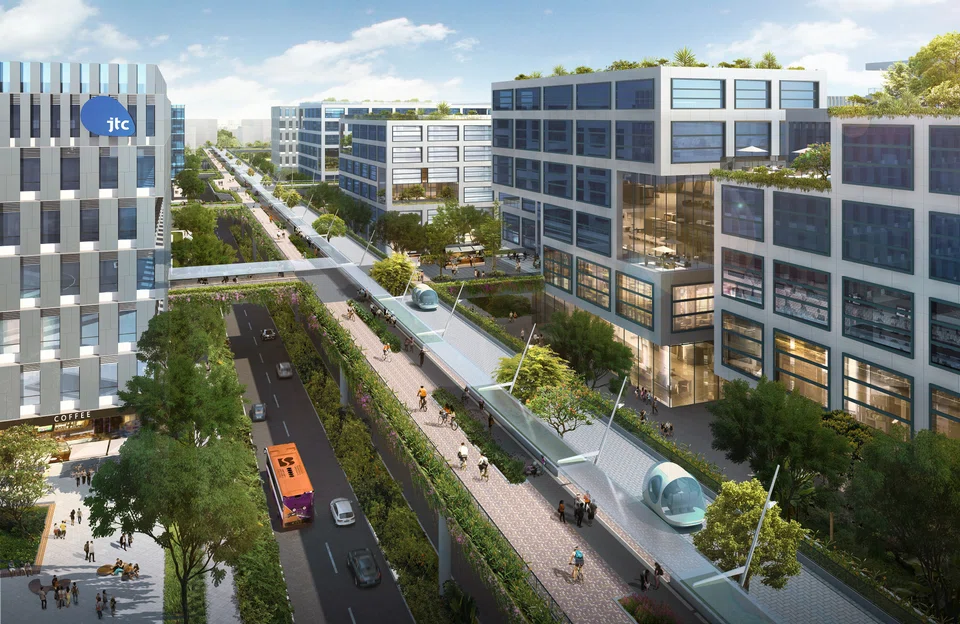
SINGAPORE stepped on the accelerator for its climate change goals when it declared net-zero emissions by 2050. Industrial estates play a big role in meeting this bold commitment, with industry and buildings collectively contributing 45 per cent to primary carbon emissions and 30 per cent to secondary emissions.
Since the 2005 launch of the Green Building Master Plan, industrial estates have made significant progress on environmental sustainability. Green Mark certifications are the norm among industrial buildings today.
This is despite the fact that such buildings present unique energy-efficiency challenges rarely seen in residential or commercial ones. Think cold rooms or server rooms that run 24/7, or cleanrooms with very high air-change rates and air filtration – all of which are energy-intensive to operate.
TRENDING NOW

Once staunchly pro-China, Malaysian Chinese businesses are now distancing themselves from Beijing

Looking beyond looming CEO succession, should UOB potentially pursue a transformative merger?

Could stablecoins be the future of money?

Grab CEO’s wife Chloe Tong on life with Anthony Tan and finding her purpose

