
Is political polling broken?
Pollsters should stop thinking in terms of random samples and instead focus on diagnosing non-response bias
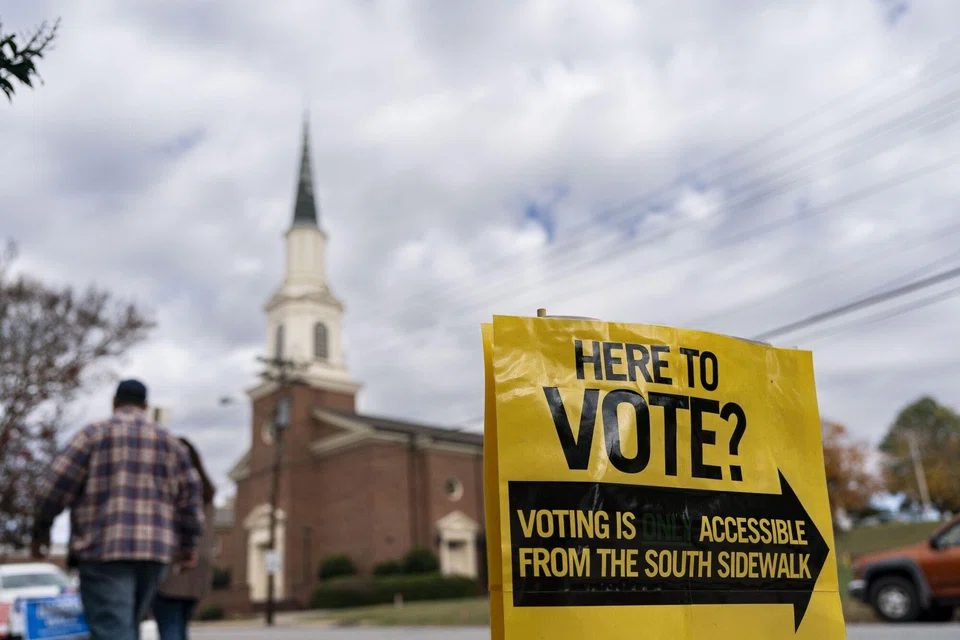
THIS year’s US presidential election is as polarising as any in modern history, with both candidates’ supporters unable to fathom the other side’s choice. Public opinion polls can show whom voters support and why. Polling data surely influenced former US president Donald Trump’s recent declaration that he is “the father of IVF (in-vitro fertilisation)” and Vice-President Kamala Harris’ embrace of fracking. And by enabling citizens to absorb and respond to one another’s views and interests, polling provides an essential platform for democratic deliberation.
But in 2024, polls are even more important because they can legitimise an election outcome that many people are being encouraged – particularly by Trump and his allies – to view with scepticism.
In the best-case scenario, polling will muddle through; at worst, it will misfire spectacularly, inflaming an already volatile situation.
Decoding Asia newsletter: your guide to navigating Asia in a new global order. Sign up here to get Decoding Asia newsletter. Delivered to your inbox. Free.
Share with us your feedback on BT's products and services

