Poor nations are writing a new handbook for getting rich
Economies focused on exports have lifted millions out of poverty, but epochal changes in trade, supply chains and technology are making it a lot harder
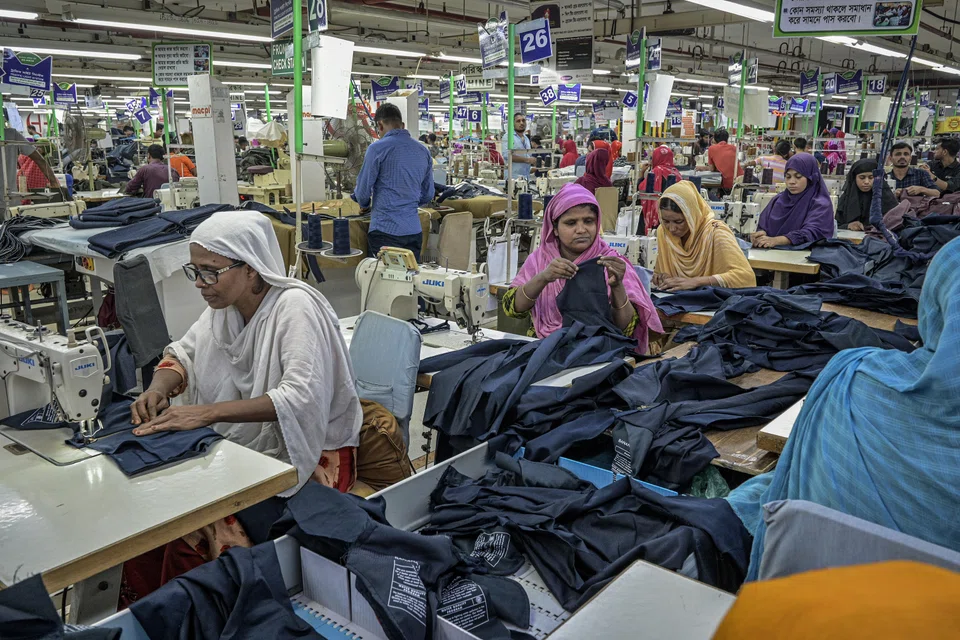
FOR more than half a century, the handbook for how developing countries can grow rich has not changed much: Move subsistence farmers into manufacturing jobs, and then sell what they produce to the rest of the world.
The recipe – customised in varying ways by Hong Kong, Singapore, South Korea, Taiwan and China – has produced the most potent engine the world has ever known for generating economic growth. It has helped lift hundreds of millions of people out of poverty, create jobs and raise standards of living.
The Asian Tigers and China succeeded by combining vast pools of cheap labour with access to international know-how and financing, and buyers that reached from Kalamazoo to Kuala Lumpur. Governments provided the scaffolding: They built up roads and schools, offered business-friendly rules and incentives, developed capable administrative institutions and nurtured incipient industries.