Post-US midterms : Time for pragmatism, not ideological warfare
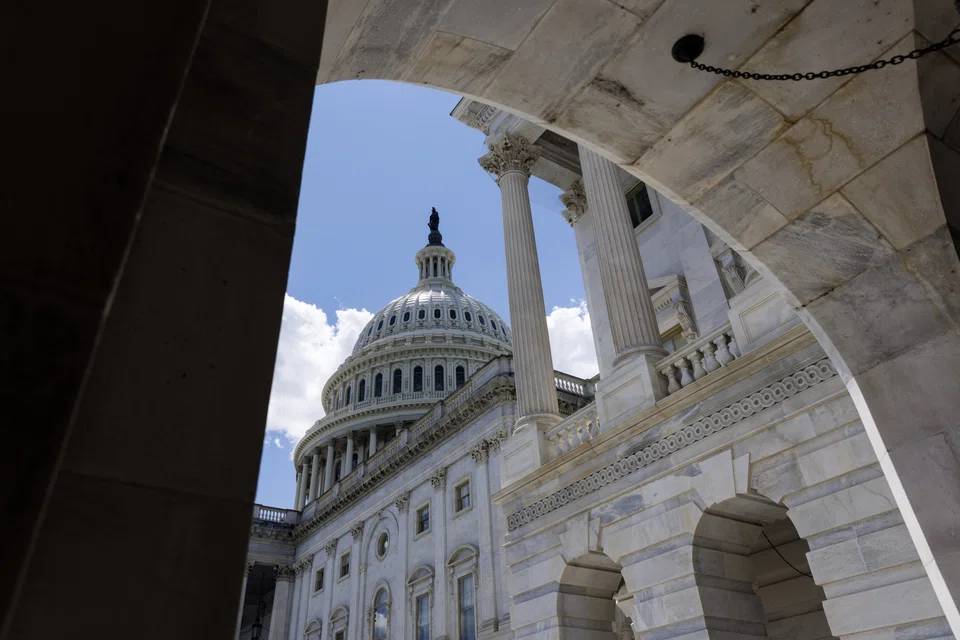
IF THE outcome of the US midterm elections demonstrated anything, it is that most Americans rejected the ideological extremes represented by some of the Republican and Democratic candidates who ran in the congressional and gubernatorial races in November – and lost.
Hence most of the GOP candidates endorsed by former President Donald Trump – who had embraced his Big Lie about the so-called “stolen” 2020 presidential election and other conspiracy theories and radical right-wing positions – failed to win the support of even moderate Republican and independent voters. The Red Tsunami that many predicted didn’t happen.
And the Democratic candidates who ended up winning some of the critical races represented the centrist wing of their party, rejecting such ideas as defunding the police and distancing themselves from the woke dogmas promoted by members of the progressive wing.
It also should be noted that Democrat President Joe Biden continues to retain low approval ratings and that the huge spending bills he proposed earlier in his term aren’t going to be revived anytime soon. President Biden’s legislative wins, including the bill to repair America’s infrastructure and the semiconductor chip manufacturing package, had won bipartisan support as did his policy to provide military assistance to the Ukrainians who are defending themselves against Russia’s aggression.
That the Republicans have failed to take over the Senate where they would continue to be led by the moderate Senator Mitch McConnell from Kentucky helps constrain the power of the Trumpists in the Upper House. It also provides President Biden with an opportunity to try to win bipartisan support for some initiatives, including on immigration reform and industrial policy, while continuing to deliver aid to Ukraine.
But the Republicans did regain control of the House of Representatives, where the probable Speaker, Representative Kevin McCarthy from California, is expected to come under pressure from hard-core right-wing lawmakers to try to disrupt the Biden administration’s legislative and policy agendas in the next two years.
In addition to launching time-consuming investigations into criminal allegations involving President Biden and members of his family, these Trumpists have pledged to reduce US military and economic aid to Ukraine. That would come as good news to Russian President Vladimir Putin who is seeking to divide the Western alliance challenging him.
Some of these Republican lawmakers also intend to try to use one of the dangerous legislative weapons available to them – the annual vote on raising the debt ceiling – in order to extract concessions from President Biden. That raises the spectre of a sovereign default that could devastate the American and global economies.
And then House Republicans are also likely to put pressure on the Biden administration to strengthen the US diplomatic and military support for Taiwan. That would make it difficult for the president to try to reduce the tensions with China as he pledged to do after his last meeting with President Xi Jinping.
But promoting Trumpism would seem to run contrary to the current mood of the country, with Americans showing clear signs of exhaustion from the never-ending political fights in Washington. They want the Republicans to be the agents of change and not of disruption. Not least, with no Red Tsunami to speak of, it’s surely time for pragmatism, not ideological warfare, in Washington.
TRENDING NOW
UOB found ‘grossly negligent’ over Stamford Land rights issue advice, to pay S$1.9 million
MAS allocates S$1.45 billion to five asset managers in third EQDP batch: Chee Hong Tat
He built the Vingroup empire. Now South-east Asia’s richest man is handing some key roles to his sons
NoMad Singapore marks brand’s arrival in Asia