The postman’s impossible position
When a business can no longer contort itself to fit the world, maybe there’s no room for it anymore
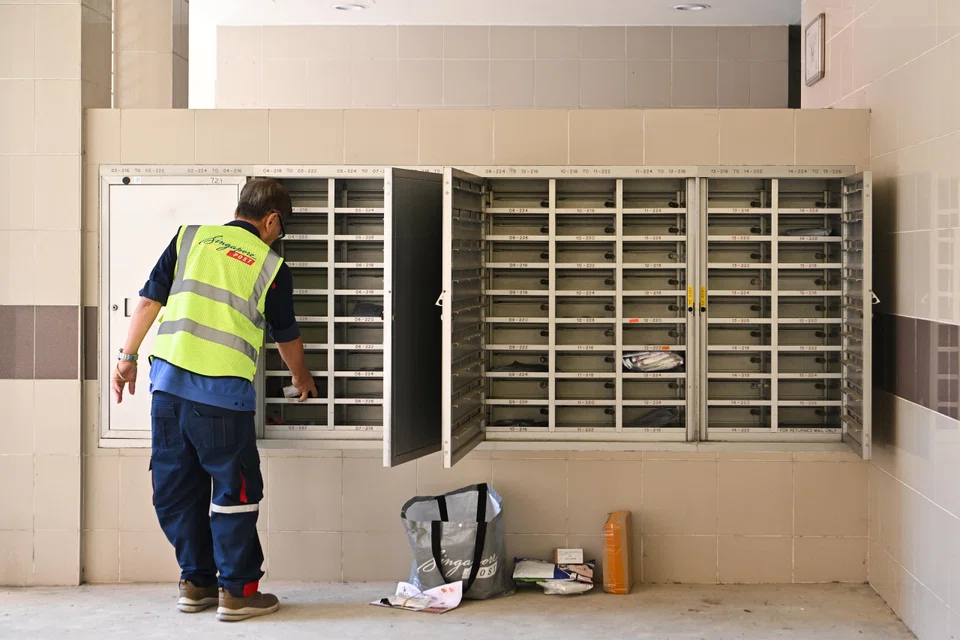

THE postman simply cannot win. There are losses and Parcelgate lurking in every mailbox, regardless of the form that the postal system comes in.
State-backed postal services are just so 2024, for starters. President-elect Donald Trump reportedly wants to privatise the US Postal Service, which has lost more than US$100 billion since 2007. In South Africa, the national postal service is on the brink of collapse and its government is unmoved by its plight, leaning towards privatisation instead.
Ah, but a hot potato, even when bounced from the political to the corporate sphere, remains a troublesome tuber.
Japan spent decades privatising its national postal service but Japan Post Co is struggling, its operating profit for the fiscal year of 2022 falling into the red for the first time since its privatisation.
In the UK, different parts of the postal apparatus are run separately, but that has not produced a much better outcome. Over there, the Royal Mail and the Post Office are two separate and independent entities. The former delivers parcels and letters, while the latter runs the postal branch network.
For years, the state-owned Post Office wrongly prosecuted hundreds of post office operators for theft and fraud, ruining their lives in the process. The resulting fallout dogs the institution to this day.
Its delivery counterpart, the loss-making Royal Mail, faces declining letter volumes, even as it serves a growing number of addresses. Its publicly listed parent company is being acquired by a Czech billionaire who has pledged to honour the Royal Mail’s obligations to deliver letters throughout the UK six days a week, for “as long as I’m alive”. That seems a bold promise to make; innumerable marriages have collapsed in less time and under far less pressure.
Therein lies the rub, when you consider Singapore Post’s dilemma. Like many of its commercial mailmen brethren elsewhere, it fights battles on all fronts, fending off rival parcel delivery firms while dealing with shareholder demands for better returns and regulators’ quality of service standards.
It is – to repurpose a classic aphorism – the worst operating model, except for all the others.
Just 200 years ago, sending mail was a luxury. The Economist notes that posting a letter from London to Edinburgh then would have taken up a whole day’s wages.
Now that we inhabit a far more dematerialised world, we should re-examine the need for a national service to get bits of paper across the country at lightning speed, and for a laughably unsustainable price.
Between e-mail, Docusign and cloud storage services, most documents do not need to exist in printed paper form. For much of my adult existence, the government has found a way to give me money (CDC vouchers) and take it from me (income taxes), without my having to open a letter box.
As a thought experiment, we should first imagine the postal service without letters to deliver – an unsettling thought, but when was the last time your home landline rang? Thusly denuded, it would resemble most other third-party logistics firms, albeit one that is saddled with physical offices, post boxes and minimum service-level requirements.
If such a creature did not already exist today, would we voluntarily create one? Maybe, when a certain class of business is perpetually in an impossible position, we should consider whether it is simply an impossible business.