

As private credit worries rattle investors, mind the risks in the markets
Price rises need to be anchored by fundamentals. So now might be the time for investors to exercise some caution

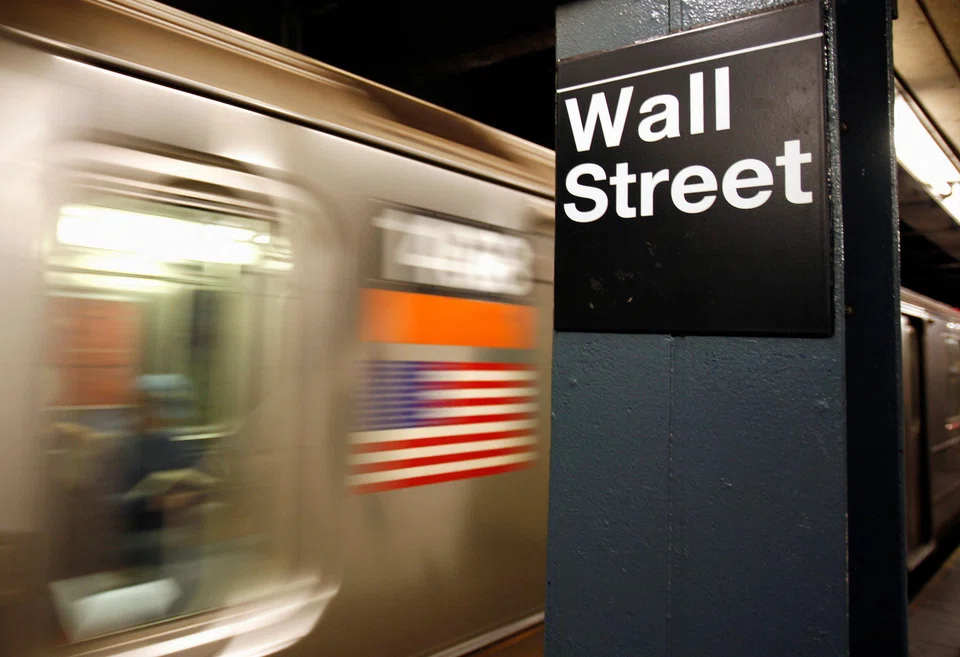
THE markets are trading close to their all-time highs, but it is getting hard to ignore the air of caution that has crept into the buoyant mood in recent weeks. There have even been murmurings of a possible repeat of the 2008 global financial crisis (GFC).
Earlier in the week, the CEO of US financial giant JPMorgan Chase, Jamie Dimon, addressing investors, said: “My own view is people are getting a little comfortable that this is real – these high asset prices and high volumes – and that we won’t have any problems.
“There will be a cycle one day,” he was quoted as saying in a CNBC report. “I don’t know what confluence of events will cause that cycle. My anxiety is high over it,” he added.
“I’m not assuaged by the fact that asset prices are high. In fact, I think that adds to the risk.”
The recent worries focus on how artificial intelligence (AI) can disrupt software firms, which have been making piles of money. And now, investors are turning somewhat nervy about the prospects of these firms, which has sent their share prices down.
Put another way, it is a US$1.8 trillion market that has decided to fret that there has been too much spending on AI. The worry is that returns will fall short.
Already, private credit lenders – that is, non-bank lenders – like the high-profile Blue Owl in the United States are going through rocky times after having loaned a fair amount to software companies.
Cue investors’ unease.
Blue Owl halted redemptions on one of its funds, and started selling assets. Fortunately for itself, it managed to fetch close to par for US$1.4 billion in these lending investments.
Still, among the cautious analysts and observers, there is the well-known Mohamed El-Erian, former CEO of Pacific Investment Management, who has asked whether these problems could be a precursor to a fallout, similar to the GFC.
On Tuesday (Feb 24), another private credit fund, New Mountain, sold US$477 million in assets at 94 cents on the dollar, Bloomberg reported.
The demand for private credit and other alternative assets has soared in recent years on the back of the traditional 60/40 ratio for an investment portfolio of stocks and bonds falling out of favour. These assets have also become more accessible to retail investors.
But even as the risk of private credit defaults rise, investors are taking on more risk in the equity markets.
This comes as interest rates head lower, possibly reaching some sort of floor this year. With lower rates come the return of deals, buyouts, and mergers and acquisitions.
The S&P 500 is a shade off its all-time high, just under 6,900 points. The Nasdaq is in the 22,800-point range, down from its record level, but still strong.
At home, the Straits Times Index remains above the record 5,000 level, which it breached only in February.
While an active equity market is a positive sign of economic activity, price rises need to be anchored by fundamentals.
Investors might think that, in this Year of the Horse, they ought to go charging in, riding high. They should perhaps hold those horses and pick up a dash of caution.






