

The protectionist impulse in Washington
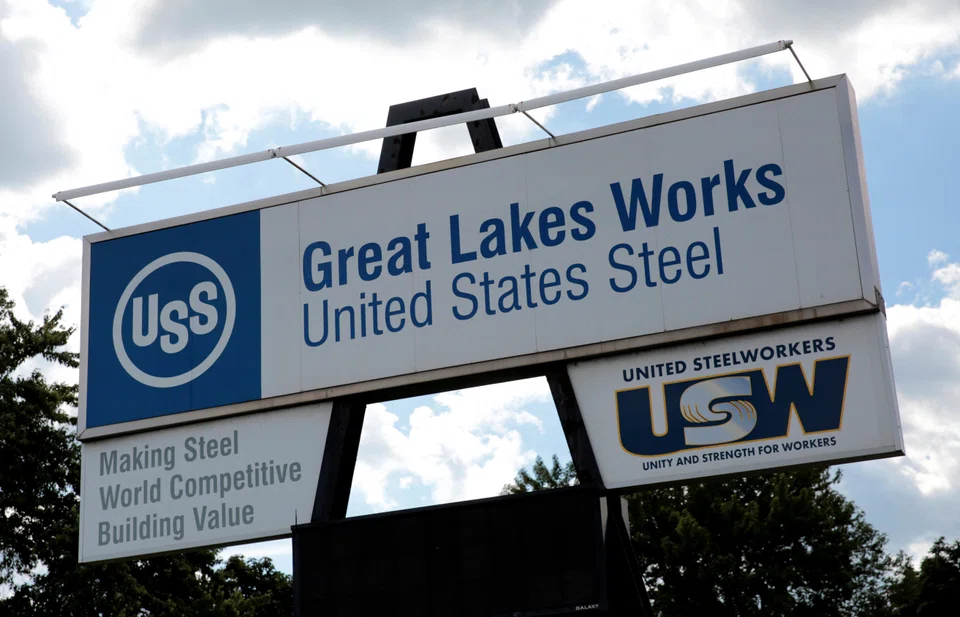
IF THERE is one impulse that brings together Republican and Democratic lawmakers, it’s what can be described as “economic xenophobia” – the alleged “threat” of foreigners penetrating the American marketplace through trade or investment. Recall the anxiety when Mitsubishi purchased the Rockefeller Center in 1989.
The latest example of American politicians railing against foreigners in the name of protecting US economic and security interests is the outcry on Capitol Hill against the plan by Japan’s Nippon Steel to acquire Pittsburgh-based US Steel for US$14.9 billion.
On the face of it, the announcement last December should have been cause for cheers since Nippon Steel is paying a 40 per cent premium over US Steel’s stock price.
Moreover, President Joe Biden has been encouraging foreign companies to invest in US factories so as to help keep American jobs at home. The higher domestic demand for steel under the Biden administration’s Infrastructure Investment and Jobs Act was one of the contributing factors in the deal.
In fact, the Biden administration has offered subsidies for companies investing in America’s infrastructure, with the president having said, in a June 2021 statement on the US’ commitment to open investment, that the American economy would become “safer, more resilient and more prosperous because of the investment of foreign-owned companies in the United States”.
And, since Japan is an economic and strategic ally of the US, the proposed steel deal would amount to a collaborative effort on the part of the US and Japan, both of which are facing the growing challenge of Chinese dominance in the global steel industry.
But, steel has long been one of the most protected US industrial sectors that enjoys strong political support in Congress, where, indeed, the response to the announcement of the plan to sell one of America’s iconic corporate names was fierce.
Leading American lawmakers from both parties have insisted that the proposed acquisition should be scrutinised by the Committee on Foreign Investment in the United States. And, they have voiced concerns over the national security implications of the move and argued that it would exacerbate the national trade imbalances.
A “critical piece of America’s defence industrial base was (being) auctioned off to foreigners for cash”, warned Republican senator JD Vance from Ohio. “But rest assured that I will interrogate the long-term implications for the American people, and I will do everything in my power to protect the future of our nation’s security, industry, and workers!” he declared.
The announcement of the deal between Nippon Steel and US Steel was “an insult to the American steelworkers who build our country”, insisted Democratic senator John Fetterman from Pennsylvania, adding that the deal will greatly affect steelworkers in his home state.
Both Ohio and Pennsylvania are major manufacturing states with strong labour unions that play a major role in the politics of the Democratic Party as well as being key electoral states in this presidential election year.
The debate, and in particular the pressure from the labour union – a major Democratic Party constituency – puts Biden – who has granted the request for a review of the deal, while stopping short of saying he would block it – in a tight political spot.
Against the backdrop of the critical alliance with Japan and competition from China, he will have to choose between protecting US geostrategic and geoeconomic interests or surrendering to hysterical protectionists in Washington in an election year.
TRENDING NOW

Once staunchly pro-China, Malaysian Chinese businesses are now distancing themselves from Beijing

Stocks to watch: HPL, Aims Apac Reit, Zico, Advanced Systems Automation, ComfortDelGro
‘How many will survive?’: Bubble fears arise as China’s humanoid robotics face reality check
Smaller board lots can’t fix a market run by three banks

