The real climate test for South-east Asian banks has begun

The region’s lenders must move from pledges to action
Summarise
    • South-east Asia's energy choices will shape global climate outcomes. If banks in the region continue to finance fossil fuel expansion while the rest of the world invests in renewables, the transition will slow everywhere.
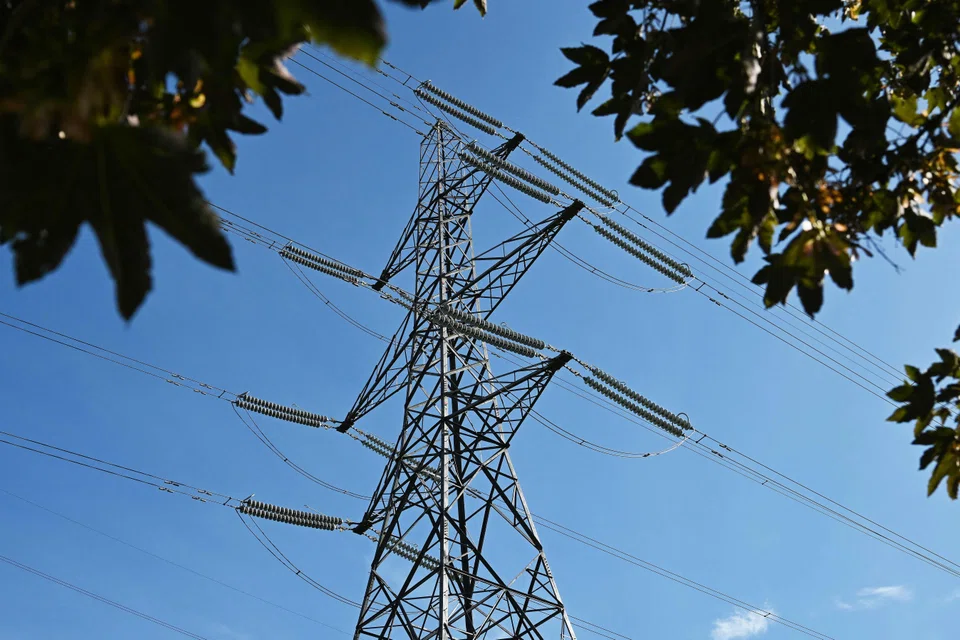
    • South-east Asia's energy choices will shape global climate outcomes. If banks in the region continue to finance fossil fuel expansion while the rest of the world invests in renewables, the transition will slow everywhere. PHOTO: AFP
    Published Fri, Oct 10, 2025 · 07:00 AM

    SOUTH-EAST Asia’s banks stand at a critical crossroads. They have embraced climate ambition on paper – announcing net-zero targets, strengthening governance and expanding sustainable finance portfolios – yet many remain among the region’s largest financiers of coal, oil and gas and dependent industries. Most have not set out plans to decarbonise high-emitting sectors.

    The contradiction is striking in a region that is projected to account for 25 per cent of global energy demand growth by 2035, and the world’s fastest rise in carbon dioxide emissions by 2050.

    Decisions made by the region’s key lenders in the coming years will determine whether they become catalysts for a low-carbon economy, or obstacles to it.


    Positive progress

    When Asia Research & Engagement (ARE) in 2022 published Banking Asia’s Future, an assessment of regional lenders’ approaches to climate action, only a handful of them had set credible decarbonisation goals or integrated climate oversight at the board level.

    Shifting Gears, the 2024 follow-up study of banks in Singapore, Japan and South Korea, found positive momentum in climate-related policy, governance, risk management and opportunity. Singapore’s banks in particular are demonstrating clear leadership.

    Several of the major financial institutions assessed have introduced sweeping changes, including coal phase-out timelines, integrating climate targets into executive pay, and aligning lending portfolios with international accounting standards.

    These developments underline how Singapore has emerged as a South-east Asian model for climate governance in banking. Supported by active regulators and strong investor expectations, its financial sector shows how credible transition plans can coexist with growth and competitiveness.

    Cautious steps in emerging S-E Asia

    ARE’s latest report, Bridging the Gap, focused on 14 banks across Indonesia, Malaysia, the Philippines and Thailand. Substantial progress has been achieved, when compared with 2022. For example: 

    • all banks now assign board-level sustainability responsibilities (up from three in 2022);
    • eleven have adopted long-term net-zero goals for financed emissions (up from three); and
    • most have committed to align with the Partnership for Carbon Accounting Financials standards.

    These are meaningful steps. They show that sustainability is gaining traction not only in boardrooms, but also in the balance sheets. Banks increasingly recognise that supporting low-carbon industries is a pathway to future profitability, not a distraction from it.

    Critical gaps remain

    Despite encouraging progress, implementation still lags ambition. With a few exceptions, major banks in these four countries are now clearly lagging their peers in more developed Asian markets. Half the banks continue to finance new coal-power projects; only five have set timelines to phase out existing coal exposure. Just one restricts lending for gas-fired generation.

    Across the region, there remains a divide between policy compliance and climate leadership. Leadership means setting clear sectoral decarbonisation pathways, engaging clients in transition planning, and redirecting capital towards renewable energy and efficiency. The rewards of leadership are significant, in the form of lower portfolio risk, access to new markets and greater reputational trust.

    Why action matters

    What happens in South-east Asia will shape global climate outcomes. The region’s energy choices will influence the world’s carbon trajectory more than any other emerging bloc’s. If banks in the region continue to finance fossil fuel expansion while the rest of the world invests in renewables, the transition will slow everywhere.

    Conversely, if the financial sector builds on Singapore’s example – embedding accountability, aligning incentives and supporting clean energy ecosystems – South-east Asia could position itself at the centre of the global green growth story. The shift to renewables, electric vehicles and sustainable manufacturing is both inevitable and commercially compelling.

    Looking ahead to COP30

    As leaders gather for this year’s United Nations Climate Change Conference – or COP30 – in November, South-east Asia’s banks have an opportunity to demonstrate that climate ambition can translate into measurable action.

    Governments are setting targets, investors are watching and customers are adapting. The question is whether the region’s financial institutions will move decisively enough to match the pace of change, and move from followers to leaders.

    The next phase of climate action will not be about drafting new policies; it will be about execution. That means embedding transition plans, measuring financed emissions transparently and financing real-world decarbonisation.

    Singapore has shown that credible climate leadership in banking is achievable. Now, its neighbours must follow suit. The choices made by South-east Asia’s lenders in the coming years will determine whether the region will help drive the global transition or slow it down.

    The writer is founder and managing director of Asia Research & Engagement