

Reflecting the true cost of deliveries is good for investors
Investors will be better appraised of what they have bought into, and will be clearer on the value proposition of the platforms

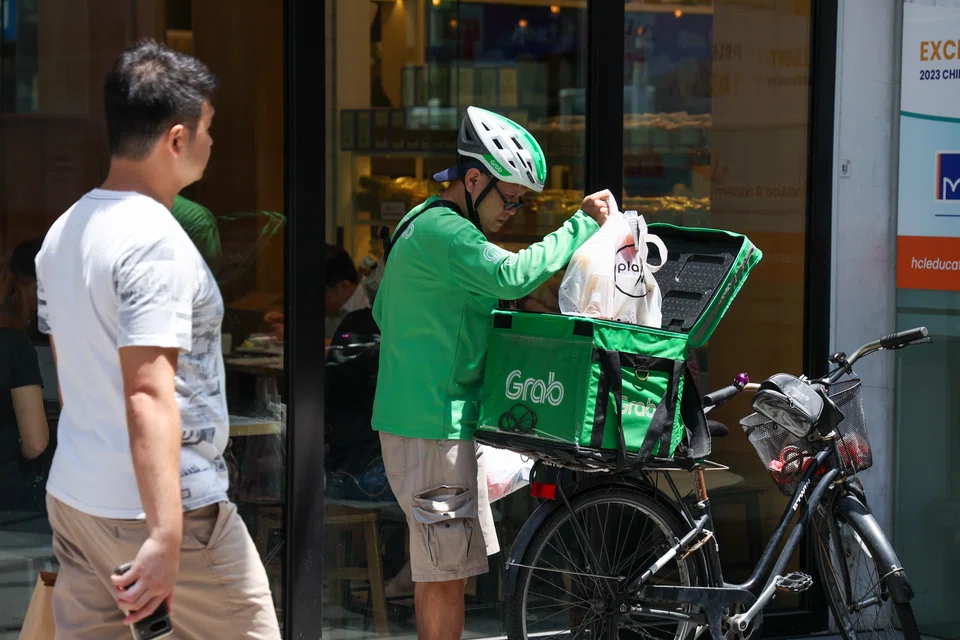
AT THE height of the food delivery wars, an acquaintance told me he would order chicken from one chicken rice stall and rice from another – for one person.
Granted, this is an extreme anecdote and unlikely to be representative of the greater populace. It nevertheless shows the kind of resource misallocation that can happen when a service or good is inappropriately priced.
The recent passing of the Platform Workers Bill should, therefore, be seen as a positive on multiple fronts.
From next year, platform workers – covering those who deliver food on platforms such as Grab and foodpanda – will have to make contributions to their own Central Provident Fund (CPF) accounts.
Although the platforms will not be considered employers in the full sense of the word, the companies will need to bear certain employer-like responsibilities too. These include making CPF contributions and providing work-injury compensation.
Debating this Bill, Members of Parliament raised concerns about the likely increase in costs after it becomes an Act.
Noting that many platform operators are still incurring losses and rely on money from investors to keep operations going, Bukit Panjang MP Liang Eng Hwa asked if the terms of trade among the various stakeholders would change as a result of the Bill.
The implication of his question was: As the cost of food deliveries increases, who will bear the pain of that cost?
Will it be workers, who will see their take-home pay fall because of increased contributions to CPF? Will it be companies and their investors, who will have to put up with a longer runway to profitability? Will it be food and beverage (F&B) operators, who will have to pay more for their wares to reach customers? Or will it be consumers, who will now see a higher delivery fee on their platform apps?
The answer is likely to be a combination of all of the above, in varying degrees, which will require some painful adjustments.
For investors, these adjustments may also turn out to be useful in the long run. The inclusion of CPF and injury compensation in cost frameworks will better reflect the true cost of doing business for these platforms. How consumers and F&B operators react to the new cost structure, meanwhile, will better reflect the true value of the business model.
Speaking in Parliament on Tuesday (Sep 10), Senior Minister of State for Manpower Koh Poh Koon said the Bill may mean increased business costs for platform operators. He added, however, that these costs are “no different” from those incurred by employers who already provide such safeguards for their employees.
Platform operators have long touted the efficiencies that their technologies bring to the delivery and ride-hailing markets. Once the workers delivering services on their platforms are treated no differently from employees, it will be possible for those technologies to show their true value.
Investors will be better appraised of what they have bought into, and will be clearer on the value proposition of the platforms.
Consumers may argue that they are on the losing end. After all, the cost of food and that of food deliveries have been rising. My acquaintance has not been able to enjoy chicken and rice from two different stalls for some time.
In the long run, however, a sustainable business model will hurt no one.






