Reflections on Davos: Business as usual no longer exists
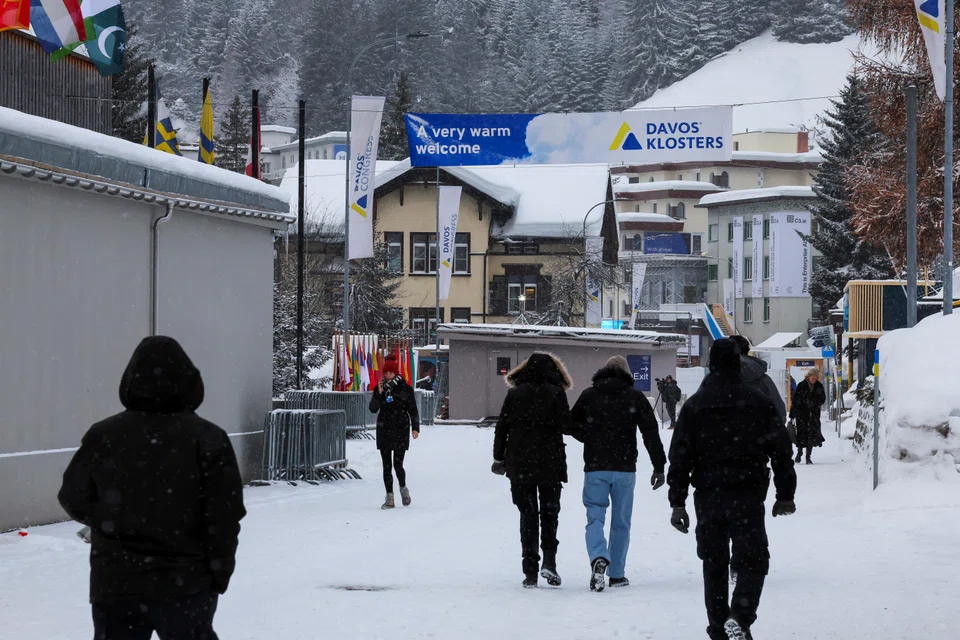
AS THE planes take off and the trains carry a steady stream of suited-and-winter-booted participants back home, skiers are returning to the slopes of Davos, Switzerland. Another edition of the World Economic Forum (WEF) has come to an end – but what have we learnt?
Compared with a year ago, the world seems a somewhat different place. Right before the start of the gathering in Davos, WEF released its annual Global Risks Report, effectively a survey of some 1,500 global leaders across business, academia, government and others. Last year, the cost-of-living crisis topped the near-term concerns, alongside nature risks and geo-economic confrontation. This year, the tone is different. “Misinformation and disinformation” led the list of near-term fears, with “societal polarisation” not far behind.
In a year in which some four billion people are eligible to vote in an election, conversations at Davos struck a markedly more geopolitical tone. Among the first to open this year of elections, Taiwan has already gone to the polls to vote through a third term of the ruling government, while the US election will take centre stage later in the year. Markets remain undecided on the outcome, even as discussions on geopolitical conflicts seeped their way into the Davos formal and informal nightcap sessions.