

Regulation can bolster Asean’s food and energy resilience
Fundamental frameworks at national level will ultimately help drive momentum for bloc’s larger harmonisation goal
WHILE the world holds its collective breath in the wake of the provisional ceasefire in Iran, the conflict and developments at the Strait of Hormuz have painfully illustrated the interconnection between energy and food.
The off-again, on-again passage through the channel of critical fertilisers, oil and liquefied natural gas (LNG) supplies are affecting availability and prices, keeping experts from both sectors busy adjusting and readjusting forecasts.
Food and energy security have always been intertwined at the crossroads of food, feed, fibre and fuel. In Asean, their shared space also includes policy and regulatory gaps that hinder regional resilience.
Asean realities: growing population and climate change
Two realities unique to South-east Asia continue to shape the broader landscape: population growth and climate change.
Asean is growing. According to the latest estimates, the region is home to just over 700 million people. By 2035, that figure is projected to climb to more than 741 million – with growth in Indonesia and the Philippines leading the way.
A booming population equates to a higher demand for supplies of safe, nutritious food as well as reliable sources of energy.
Meanwhile, South-east Asia is among the most vulnerable regions to climate change, which has also wreaked havoc with food and energy production.
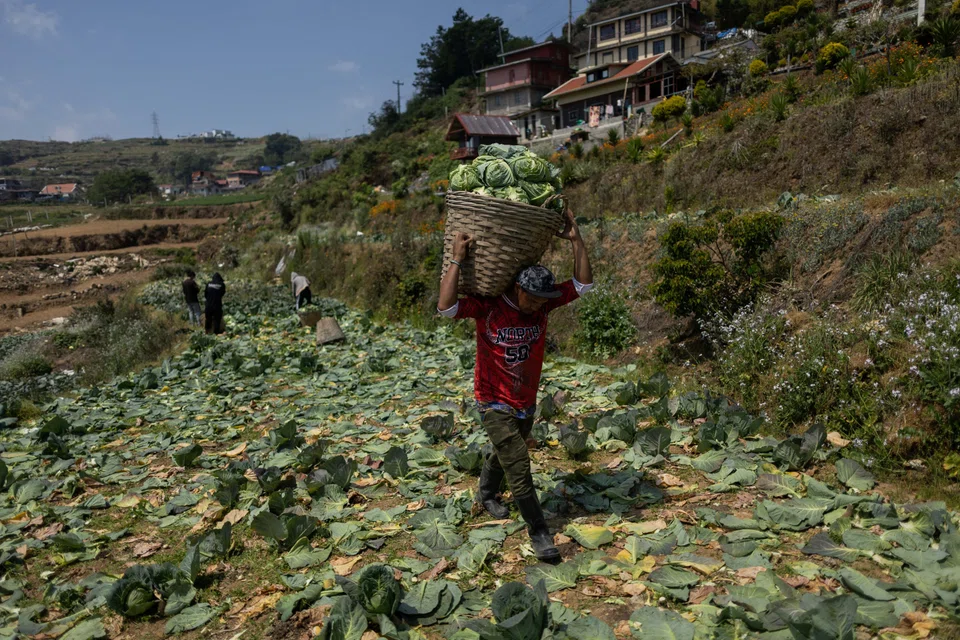
An increase of floods, droughts and erratic weather in the region is disrupting planting, cultivation and harvesting seasons for roughly 100 million smallholder farmers.
A recent report looking at the impact of climate change on regional food security projected a decline in available crop land in Indonesia, Malaysia and the Philippines of more than 10 per cent by 2028, if no action is taken. Rice production in Vietnam and Thailand may also be reduced by 19 per cent and 7 per cent, respectively.
Regional energy production has also been far from immune from the reach of climate change.
While hydropower is playing an increasingly significant role in South-east Asia’s mix of energy sources (accounting for almost 20 per cent of the total electricity produced across the region), its vulnerability to prolonged droughts is debilitating.
Both Laos and Vietnam experienced devastating droughts in 2023 that battered their hydropower operations and cost dearly – Laos’ hydropower exports to Thailand dropped by 30 per cent, and lost productivity in Vietnam amounted to US$1.4 billion.
In terms of vulnerability to extreme heat, an astonishing 70 per cent of energy-sector assets in South-east Asia fell into the “red flag” or “high” category, according a December 2022 Asian Development Bank study.
Regulatory revisit
Calls on the Asean food and energy security fronts centre around the need for resilience.
While larger regional regulatory harmonisation across key parts of the sectors is the right aspiration, we need fundamental frameworks at the national level now. This will ultimately help drive momentum for the larger harmonisation goal.
So, what might an Asean member state regulatory wish list look like? Here are a few good places to start.
- Enable agricultural innovation
Advances in the agricultural technology world over the past decade have been extraordinary. Plant science technologies (such as gene-editing breakthroughs driving increased yields and nutrition, drought-tolerant seeds and biopesticides), agricultural applications for drones, and a host of other innovations are changing the game.
Without the regulatory frameworks to ensure they reach our region’s farmers, it is a lost opportunity to drive resilience on farms.
- Carbon capture, utilisation and storage (CCUS)
Around 80 per cent of South-east Asia’s energy is generated from fossil fuels. With the demand for power growing alongside the region’s population, reducing this reliance while also meeting current and near-term demands becomes a key question.
National CCUS regulatory frameworks that help “decarbonise” existing younger energy-sector assets present a pragmatic next step.
- Crack down on counterfeits
The sale of counterfeit products across the food and agriculture landscape in South-east Asia (from agricultural inputs to food and drinks) is far too prevalent – including on e-commerce platforms.
Unregulated and counterfeit pesticides, in particular, threaten human and environmental health, crop yields and our water supply. Robust regulations and enforcement against counterfeits will help drive greater food resilience.
- Biofuel standards
The demand for biofuels across Asean is on the rise, becoming a crucial component of the region’s energy transition. Whether imported or produced in the region, biofuels help reduce the reliance on imported oil and support national decarbonisation aspirations. Domestic production of biofuels also leverages existing agricultural resources.
With regional harmonisation still on the aspirational horizon, embedding transparent, pragmatic and evidence-based regulatory standards for biofuels at the national level will strengthen resilience for the sector.
These are not new ideas. Asean’s strategic 2026 to 2030 blueprints for the food and energy sectors refer to them both directly and indirectly. (These are the Asean Food, Agriculture and Forestry Sectoral Plan and the Asean Plan of Action for Energy Cooperation.)
Food and energy security in South-east Asia are two sides of the same coin. National regulatory steps to act on the most critical components of the Asean blueprints will help drive much-needed resilience in both areas.
The writer is director of public affairs and strategic partnerships at CropLife Asia
TRENDING NOW

Once staunchly pro-China, Malaysian Chinese businesses are now distancing themselves from Beijing

Grab CEO’s wife Chloe Tong on life with Anthony Tan and finding her purpose

Could stablecoins be the future of money?

ST Engineering opens tech-focused aircraft maintenance facility in Changi; to create over 500 jobs

