

Regulation, productivity and the meaning of life
Safety and environmental rules may reduce GDP; but maybe that’s OK
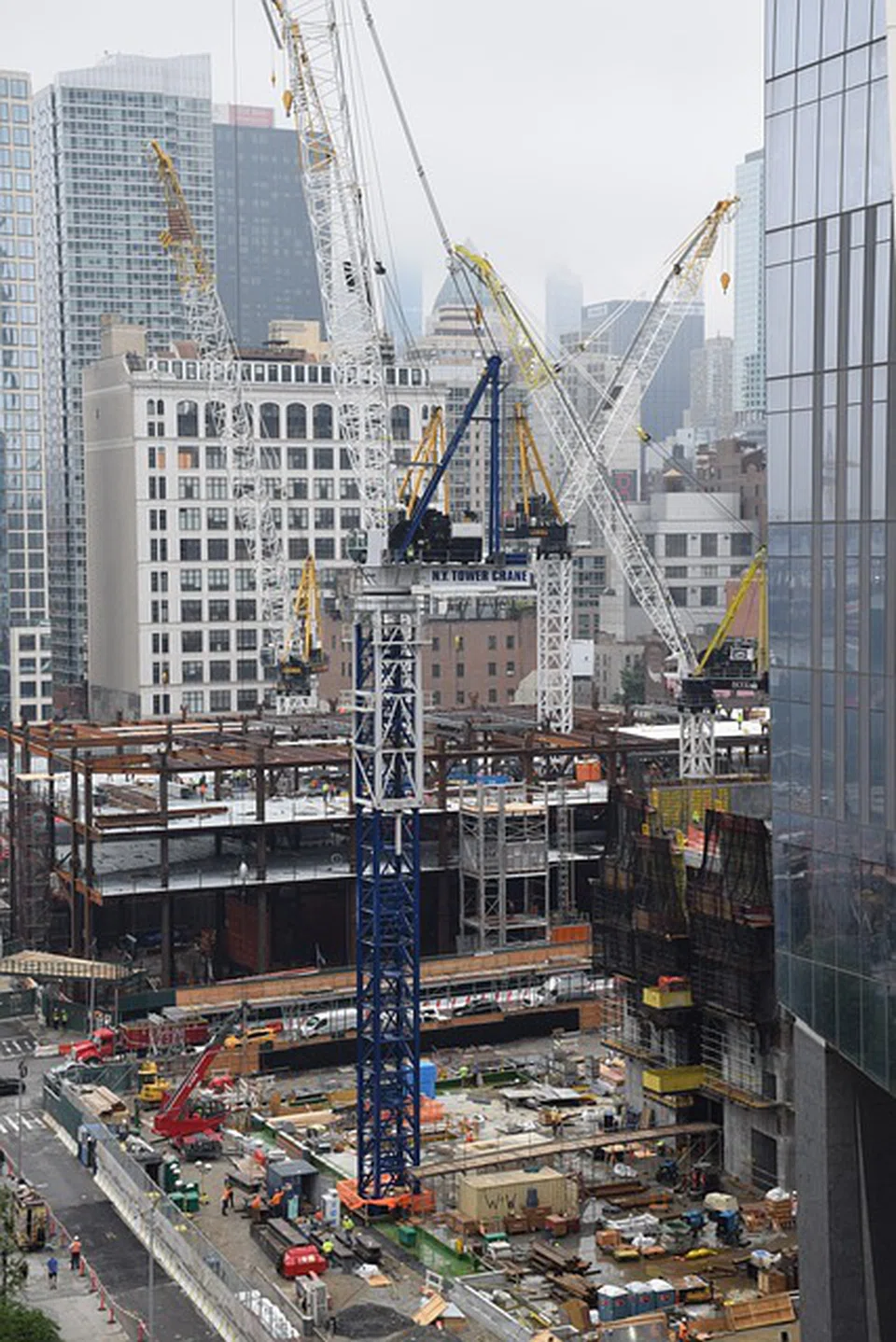
A FEW days ago, The New York Times published a very interesting column by my colleague Ezra Klein about America’s peculiar lack of progress in the art of building things. Drawing on a recent paper by Austan Goolsbee and Chad Syverson, he noted that, at least according to official statistics, we’ve gone a half-century without any rise whatsoever, and maybe even a decline, in construction productivity – basically, the number of person-hours it takes to build a house or other structure of a given size.
What makes this strange is that there have been many technological advances since 1970 that should have made it easier and cheaper to build stuff. But none of these advances seem to have paid off.
Klein suggests that the problem may be overregulation in the broad sense, that there are too many “veto points” where vested interests can block construction unless their demands are met. And he may well be right.
TRENDING NOW

Once staunchly pro-China, Malaysian Chinese businesses are now distancing themselves from Beijing

Looking beyond looming CEO succession, should UOB potentially pursue a transformative merger?

Could stablecoins be the future of money?

Grab CEO’s wife Chloe Tong on life with Anthony Tan and finding her purpose

