Regulators should focus on what they do best – mitigating systemic risks
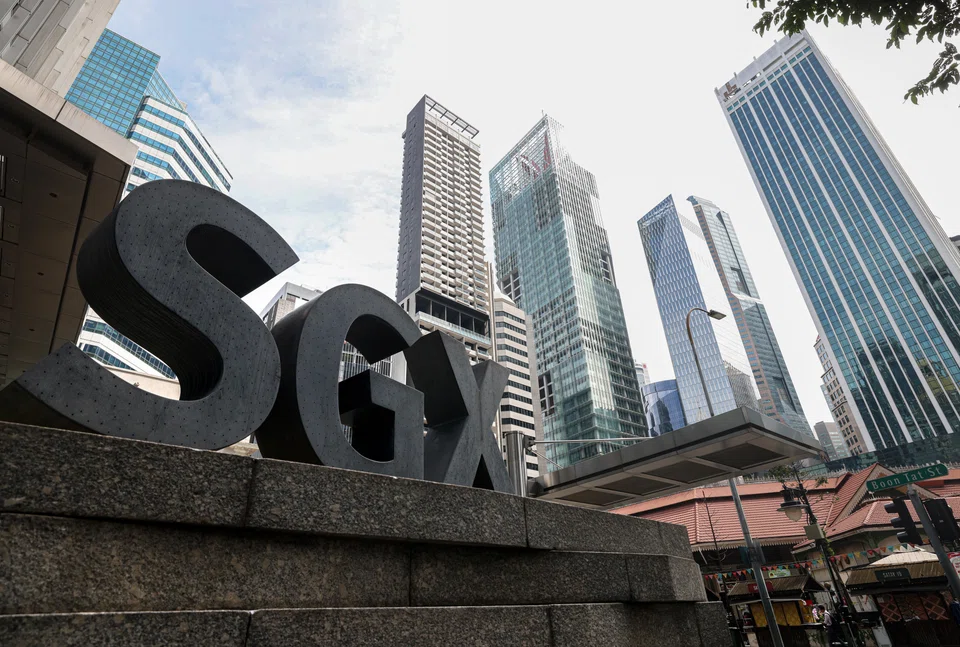
I REFER to Christie Loh’s letter “Education of investors, not excessive regulations, to revive SGX” (The Business Times, Sep 9) and second her arguments about micromanaging trading and investment behaviour.
However, I disagree with her on one point – that attempts to educate retail investors are useful at all.
While my peers were studying for their International Baccalaureate exams, I was studying options and their valuation. I excelled in neither. Yet I remain proud to say that I have learnt precisely nothing from the Singapore Exchange’s education programme. Everything I know about trading and investing has come from studying successful investors and traders, from the likes of Investopedia, from news, from family and friends, and, most importantly, from the school of hard knocks.
More broadly, unless skilled, it is not for regulators to teach capital how to earn their rate of return. Suppose I claim that Singtel’s return on capital employed is poor – are regulators skilled and knowledgeable to dispute it? Do they understand the importance of this metric in informing investors of a company’s future profitability?
Equity markets are fundamentally speculative. We’re betting on companies’ future profitability. They can go bankrupt. Their directors could run away with the treasury. The chief executive officer could turn out to be an idiot. These are all par for the course; it’s our job to analyse and mitigate risks.
Thus, regulators could help us mitigate risk – but not at the expense of the speculative spirit. To do so is to interfere with the normal functioning of the equity markets. Rather, regulators should focus on their core portfolio – mitigating systemic risks arising from the selfish actions of individuals.

If regulators must educate investors, it should be concerning matters on which they are subject experts: how to identify potential scams and manipulation schemes, verifying a company’s corporate governance, et cetera.
Importantly, both regulators and investors should understand that a company’s annual report is not always the best source of information on its true state of affairs.
Fong Cheng Hung
Decoding Asia newsletter: your guide to navigating Asia in a new global order. Sign up here to get Decoding Asia newsletter. Delivered to your inbox. Free.
Share with us your feedback on BT's products and services