A reimagined vision for Asean connectivity
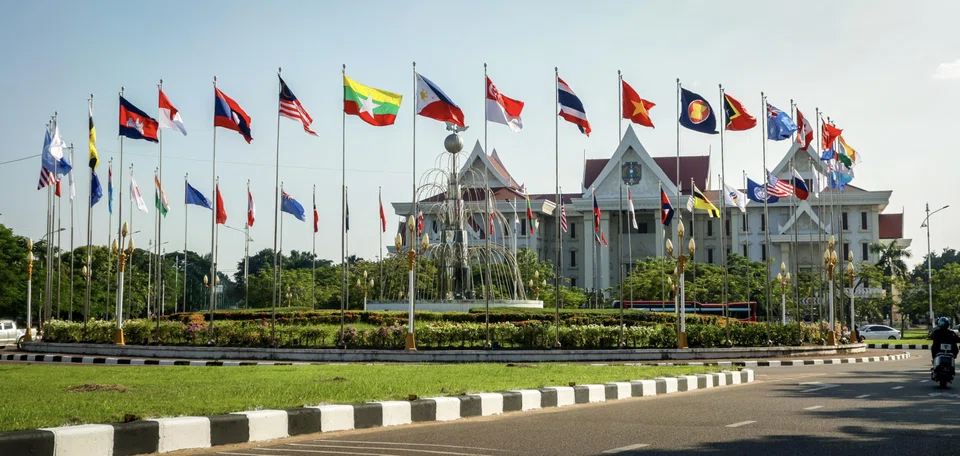
THE 2024 Asean Summit in Vientiane from Oct 6 to 11 closed out the yearly Asean cycle with a clear message for the region – the importance of enhancing connectivity and resilience – which was emphasised in the chairman’s statement and reflected in this year’s theme.
The continued focus on inter-Asean connectivity cannot be overstated. Physical, institutional and people-to-people linkages form the foundation of the region’s economic competitiveness, social inclusivity and sense of community.
However, connectivity now extends beyond physical infrastructure; it requires digital networks and the flow of data that drives economies and societies forward. In today’s increasingly interconnected world, Asean’s ability to harness the power of technology will determine its ability to deliver upon its ambitions for regional integration and Asean centrality.
As often is the case with Asean, the implementation of any initiatives has been uneven. Disparity in technological readiness and adoption among member states remains a challenge.
This is something that requires attention, as the link between technological development and economic growth has long been recognised by Asean.
Key frameworks, such as the Master Plan on Asean Connectivity (MPAC) as well as the Asean Economic Community Blueprint, set out the need for improved information and communications technology infrastructure, and the role of digital-trade and e-commerce.
The adoption of the Asean Digital Integration Framework Action Plan 2019-2025, and the Asean Digital Masterplan 2025, further stress the importance of technology.
However, despite the rising number of Internet users and greater Internet penetration, one of the main concerns is the digital divide within and across Asean countries, reflected by stark gaps in Internet speed, usage, technology production, and digital skills and employment.
Asean has an opportunity to reduce the digital divide next year.
Malaysia – a key player in the global tech supply chain – has the potential to lead this push during its chairmanship in 2025. The selected theme, officially announced by Malaysian Prime Minister Anwar Ibrahim at the conclusion of this year’s Asean Summit, is “Inclusivity and Sustainability”, emphasising the need for shared and equitable progress and development.
Again, technology will be critical to this goal. Digital government platforms are revolutionising public service delivery, increasing equitable access to public services and improving income equality.
The use of artificial intelligence (AI)-powered chatbots and virtual assistants not only enable faster access to services for citizens, but also free up government resources for more strategic tasks. Big Data and AI analytics will also help governments to make data-driven decisions, and enact better policies to reach underserved communities.
Beyond improving government operations, technology can enhance digital payment systems and, in the process, extend financial services to those without traditional banking access.
AI-driven fintech platforms are redefining credit scoring by leveraging alternative data – such as mobile phone usage, social media activity and payment histories – allowing unbanked individuals and micro, small-and-medium enterprises to access credit and loans.
At first glance, such technology may seem overly ambitious for South-east Asia. On the contrary, governments in this region are at the forefront of whole-of-government technological revolutions.
Singapore is looked up to as a global leader in digital government, ranking third globally in the 2024 United Nations E-Government Survey. A key enabler of Singapore’s digital economy is Singpass, a digital identity for every Singapore resident that bridges access to over 2,700 government agencies and private-sector services, bringing greater convenience while acting as a gateway for cross-border business transactions.
Singapore continues to invest in its digital transformation through its National AI Strategy, which integrates AI into key sectors, and a strong focus on modernising digital infrastructure.
Similarly, Thailand is positioning itself as a digital economic hub in Asia through its Thailand 4.0 initiative, with targets to increase its digital economy by 50 per cent by 2030. Key initiatives involve enhancing the adoption of Digital ID, advancing e-government solutions and developing high-capacity digital infrastructure.
The new government has also started on the first phase of the “digital wallet” scheme, aimed at distributing 10,000 baht (S$392) to 45 million Thais, which would help drive access to digital financial resources and foster adoption of digital transactions.
In Indonesia, the Tony Blair Institute for Global Change has partnered with the government to reimagine government services, supporting policy reform and the establishment of INA Digital – Indonesia’s own GovTech unit.
This new team is in charge of developing key digital systems and integrating services into a single citizen portal (INAku) that will allow Indonesians from across the archipelago real-time and seamless access to critical government services, such as finding doctors, applying for scholarships, checking social assistance status and more in the future, covering all aspects of a citizen’s life from birth to death.
Other key systems include the Government Administration Portal (INAgov) for civil servants as well as the National Digital Identity (INApas) system to access government services.
To leverage this momentum in a way that is truly integrated across the entire region, Asean member states must work collectively. This can be done through knowledge transfer, capacity-building and infrastructure investments that focus on closing the digital skills gap and enhancing digital infrastructure.
By fostering increased regional collaboration, more advanced Asean nations can uplift their peers, ensuring that the benefits of digital connectivity and economic integration are shared equitably.
Furthermore, Asean must prioritise key initiatives to facilitate cross-border data flow, ensure ethical AI use and strengthen cybersecurity. The MPAC 2025’s efforts to establish an Asean open data network and a digital data governance framework are positive steps in fostering trust and cooperation in the digital space.
This should work in parallel with Asean’s goal of advancing financial inclusion by 2025. By implementing digital financial services and making them accessible through existing technologies, Asean can stimulate economic growth, promote broader financial participation, and ensure that the benefits of digital finance reach all sectors of society.
Ultimately, further progress will require bold decisions by forward-looking political leaders, who are ready to work together to take their countries and the region into Asean’s next stage of digital development – to reimagine governance, foster economic prosperity and safeguard better lives for citizens.
The writers are from the Tony Blair Institute for Global Change. Jalil Rasheed is managing director for Asia-Pacific, and Annisa Natalegawa is senior director, new operations strategy.