

Rethinking corruption eradication in Indonesia
The promise of a clean government will remain elusive unless it breaks the cycle of prosecution and pardon
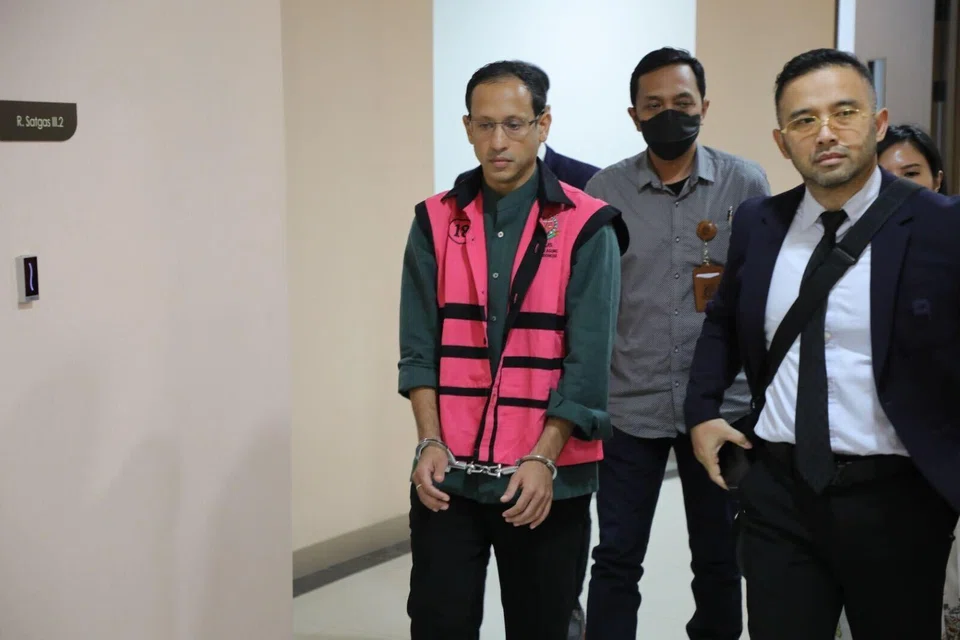
INDONESIA’S anti-corruption struggle is at a crossroads. Recent presidential pardons for figures such as Tom Lembong, Hasto, and Ira Puspita Dewi have raised troubling questions about the integrity of judicial enforcement. Prosecutors and judges may diligently examine corruption cases, yet their work risks being nullified when presidential pardons erase convictions. This dynamic forces us to ask: why prosecute at all if the executive can simply override judicial outcomes? Such pardons weaken the authority of the courts and cast doubt on whether prosecutions truly deter corruption.
From 2021 to 2025, Indonesia’s Corruption Perception Index score stagnated between 34 and 38, reflecting persistent weaknesses in anti-corruption efforts. Despite thousands of arrests by the Corruption Eradication Commission (KPK) and the Attorney General’s Office, corruption remains entrenched, and public trust in enforcement has barely improved. The reality is stark: imprisonment alone does not deter corrupt behaviour.
A more progressive approach is urgently needed. Punishment should focus less on incarceration and more on asset recovery, fines and supervision of offenders to prevent repeat violations. Without such measures, prosecutions risk becoming symbolic gestures rather than meaningful deterrents.
TRENDING NOW

DBS, OCBC, UOB rout lops billions off STI as inflation, rate concerns spook investors

Grab CEO’s wife Chloe Tong on life with Anthony Tan and finding her purpose

OCBC sheds S$8 billion in value as shares close nearly 6% down; analysts cautious on banks

Deal between tycoon friends sparks scrutiny of Philippine power sector

