Rethinking our global health architecture in a fragmented world
The international health governance landscape is at a critical and precarious juncture
THE post-World War II consensus-driven multilateral frameworks that once anchored international cooperation are showing deep cracks. They are strained by persistent failures to collectively address transnational crises, slashed development aid and intensifying geopolitical rivalries.
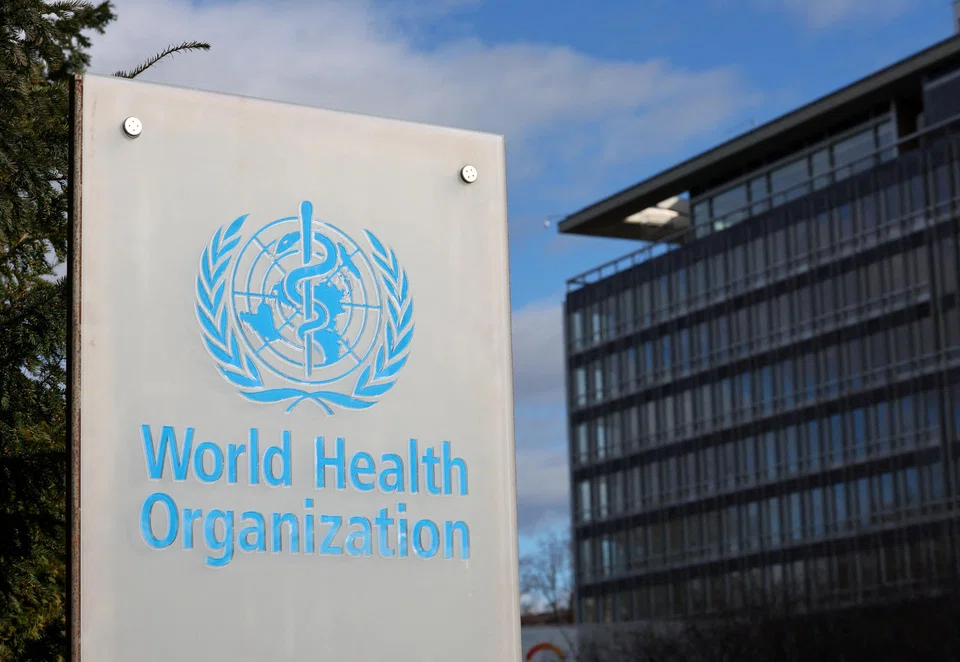
This fragmentation is playing out in real time, with the US completing its withdrawal from the World Health Organization (WHO) in January – ending nearly 80 years of membership and leaving behind unresolved questions about global commitment and burden-sharing for health security and normative functions.
Yet, even before this dramatic exit, development assistance that has been the lifeblood of many health systems in low and middle-income countries was already in decline. Major donors, including the UK and Germany, have been reducing commitments amid shifting domestic priorities and mounting economic pressures.