

Retirement isn’t a finale – it’s a strategic pivot
Instead of treating retirement as the end of a long corporate climb, we should view it as a transition into a new, self-directed phase of life
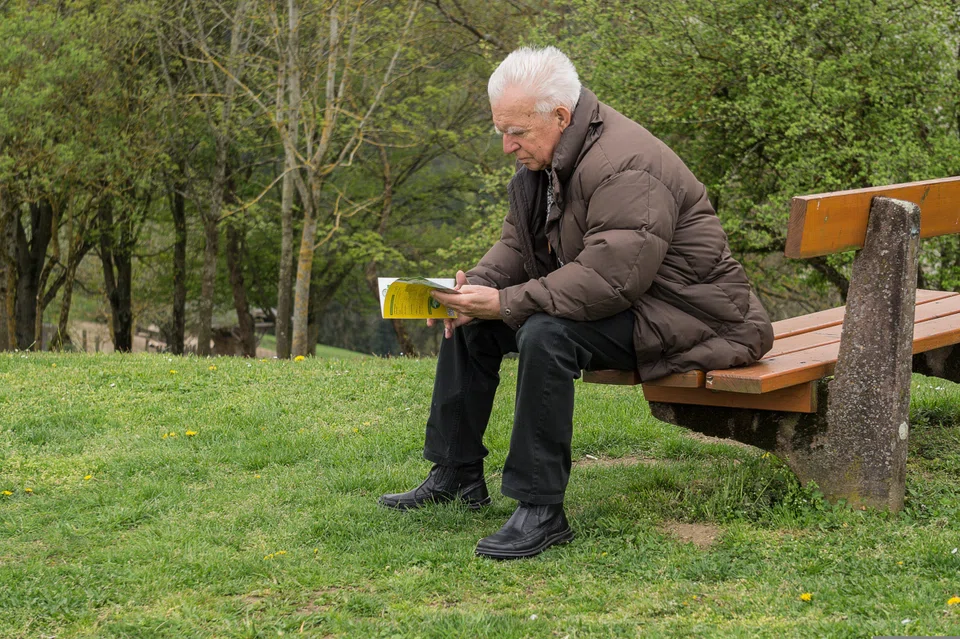
FOR decades, I watched retirement play out like a corporate ritual. A farewell lunch at a restaurant. A signed card filled with polite wishes. A final walk out of the office with years of institutional memory and experiences tucked into a cardboard box.
It always felt strangely disproportionate – that a career spanning decades could be distilled into one neat afternoon of closure. And then what?
I have sought answers to that question, speaking with seniors and former colleagues navigating life after full-time work. One ex-CFO lights up when he describes waking up at 5 am to bake sourdough, now supplying a neighbourhood café. Another, once buried in regional strategy decks, spends his mornings leading heritage walks in Chinatown.
None of them looked like people retreating from life. They looked like people finally stepping into it.
Their experiences crystallised a realisation: retirement is not a full stop. It is a strategic pivot – a shift towards work and life on one’s own terms. A friend who retired as a top government lawyer, now focused on being a coach and mentor, aptly describes this transition as experiencing “new vistas”.
The longevity reality check
With life expectancy stretching well into the 80s, the old model of a decades-long passive retirement no longer fits economic reality or personal aspiration. If anything, longevity has created a new strategic space – what some call the “third quarter” of life – where contribution, purpose and growth can (and should) continue.
In a knowledge-based economy, the competencies we spend years cultivating – judgment, emotional intelligence, resilience, networks – don’t expire at the stipulated retirement age, be that at 64 or later. They deepen. Yet many leave the workforce not because they want to stop contributing, but because they want to stop conforming to a structure that no longer aligns with who they’ve become.
That is not an ending. That is a transition waiting to happen.
The part no one prepares you for
Most of us plan our retirement finances with discipline. Far fewer consider the psychological transition.


This past year, I have been reading a book by Ernie Zelinski, How to Retire Happy, Wild and Free. Zelinksi encourages one to go beyond mere financial planning to focus on a holistic approach that prioritises purpose, well-being and passion – creating a retirement plan by building a “get-a-life tree” with branches for activities and goals – seeking meaning through creative pursuits, hobbies and social connections rather than focusing solely on the financial and money aspects.
Work shapes our days, validates our abilities and gives us automatic belonging. When that scaffolding disappears overnight, the silence can feel disorienting.
A retired friend shared his (harsh) realisation: “The first week of retirement felt like freedom. By the third week, I felt invisible.”
It was a stark reminder: we don’t merely retire from a job; we retire from a rhythm, a community, a sense of urgency.
And unless we build new anchors, the transition can feel like freefall, a reality that we must all prepare for.
Transition lens and the portfolio life
Seeing retirement as a transition helps reframe the questions we should ask ourselves.
Not “What do I do with all this time?”, but “What tempo do I want to live at now?”
Not “Who am I without my title?” but “What strengths do I want to redeploy?”
Not “What have I left behind?” but “What unfinished parts of myself do I want to reclaim?”
Once those questions are on unabashedly on the table, options inevitably surface and become clear, so I am told.
More older professionals are adopting a “portfolio life” – a blend of part-time work, advisory roles, volunteering, caregiving, creative pursuits and continued learning. This isn’t a consolation prize. It’s a deliberate rebalancing of autonomy, income, purpose and well-being.
The portfolio life allows for:
- meaningful work without the 60-hour week
- rediscovery of passions long deferred
- a multi-dimensional identity
- the flexibility to prioritise health and relationships
- learning for joy, not performance reviews
Interestingly, I am reminded that this mirrors the fluidity younger (wiser) workers seek – except older adults bring their added experience into the equation.
Living well after the corporate chapter
From my observations of peers’ transitions, thriving in retirement rests on five pillars:
Purpose – This is the core. It doesn’t need to be grand or public. Whether that’s tutoring a student, creating art, mentoring younger executives or caring for family, it is simply knowing that you still matter.
Connection – Work relationships fade quickly. Post-retirement relationships must be cultivated intentionally, otherwise isolation creeps in quietly and its impact can be significant.
Health – Movement, sleep, preventive care and mental resilience matter more than additional investment returns. Health is a valuable capital.
Learning – Curiosity fuels longevity. The retirees who flourish are often the ones learning something new for the sheer joy of it.
Financial clarity – Not maximising wealth but achieving sufficiency, this is the confidence to live without fear or clinging to spreadsheets as a substitute for purpose.
Rewriting the narrative
For too long, retirement has been (wrongly) marketed as a quiet fade-out: beaches, golf courses and leisurely days without urgency. But that caricature misses the opportunity embedded in these years.
The people I see thriving are not fading. They are recalibrating. They are shifting from scheduled time to chosen time, from corporate agendas to personal priorities, from narrow roles to multi-dimensional identities.
They are not stepping away. They are stepping differently.
And that, more than anything, is the real opportunity.
If we reframe retirement as a strategic transition rather than a final curtain call, we unlock the full potential of longevity. We give ourselves permission to reinvent, reposition and rediscover.
Because the next chapter of life is not the epilogue.
With clarity and intention, it may be the most meaningful chapter yet.
The writer is group general counsel of Jardine Cycle & Carriage. He is a senior accredited director of the Singapore Institute of Directors, serving on several boards
Switching Lanes is a new column exploring the diverse realities of life after a full-time career. From money strategies to finding fresh purpose, we’re redefining what it means to retire well.
Have a perspective to share? Write to btletter@sph.com.sg with the subject, Switching Lanes.
Decoding Asia newsletter: your guide to navigating Asia in a new global order. Sign up here to get Decoding Asia newsletter. Delivered to your inbox. Free.
Share with us your feedback on BT's products and services
TRENDING NOW

Once staunchly pro-China, Malaysian Chinese businesses are now distancing themselves from Beijing

Looking beyond looming CEO succession, should UOB potentially pursue a transformative merger?

Could stablecoins be the future of money?

Grab CEO’s wife Chloe Tong on life with Anthony Tan and finding her purpose

