
The ROI of AI in workplace safety
IN TODAY’S modern workplaces, where productivity and innovation drive success, there looms an issue that often goes unnoticed until it strikes close to home – the human cost of workplace injuries. Behind the numbers and statistics are real people whose lives can be forever changed, not to mention the significant financial burdens placed on families and organisations.
As we embrace the dawn of Industry 5.0, the synergy of artificial intelligence (AI) and its interconnected technologies, including the Internet of Things and Big Data analytics, will serve as an indispensable catalyst for enhancing organisational productivity, efficiency and precision. In this transformative landscape, it is paramount to explore how AI can emerge as a beacon of hope, not only streamlining operations but also yielding life-saving impacts and substantial cost savings.
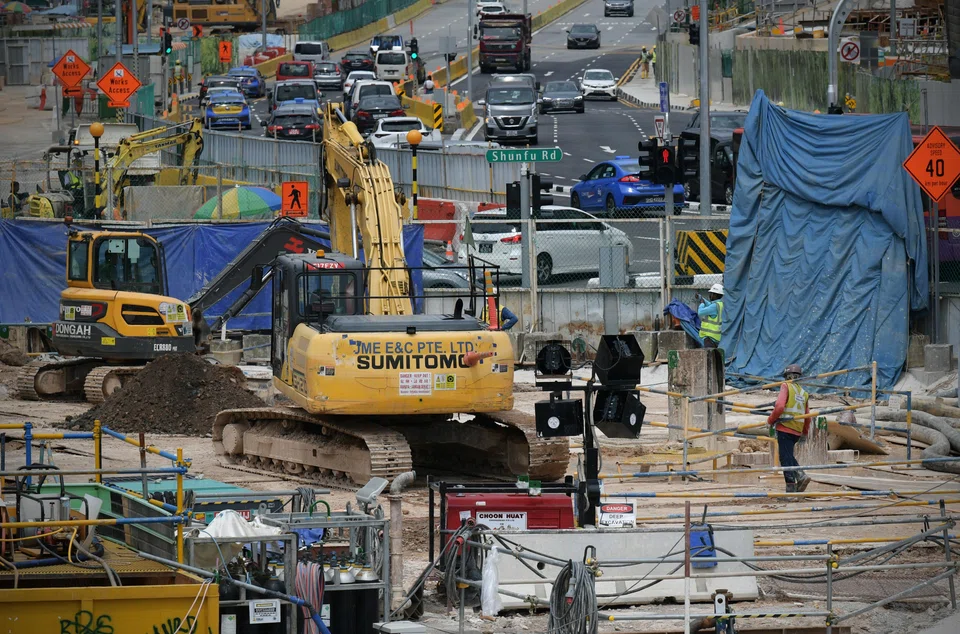
Every year, countless workers around the world suffer injuries on the job. In Singapore alone, there were 46 fatal workplace injuries in 2022, with 80 per cent of them occurring in traditionally high-risk industries such as construction, manufacturing, and transportation and storage.
Workplace injuries extract a hefty toll on individuals and companies. With the total workplace-injuries compensation claims amounting to S$122 million for 25,566 separate cases last year, organisations have to endure financial repercussions, legal challenges and damage to their reputations – ultimately, a price that no business wants to pay.
Consider the toll on small businesses, which often face higher workers’ compensation costs per employee than larger corporations. Additionally, industries like construction bear the brunt of workplace injuries, with accidents in this sector accounting for a significant portion of work-related fatalities and injuries.
Leveraging AI to bridge the gap
AI-powered technologies can quickly identify potential safety hazards and have emerged as powerful allies in enhancing workplace safety. In tandem, virtual reality (VR) and technology-driven safety training programmes provide employees with immersive, hands-on experiences for mastering safety protocols. This strategic fusion of AI and technology empowers organisations to take proactive measures in addressing workplace safety concerns, substantially mitigating the risk of accidents and injuries.
AI-driven computer vision also represents a remarkable advancement, possessing the innate ability to detect and identify workplace hazards and instances of non-compliance via round-the-clock monitoring. These capabilities can seamlessly complement the roles of human supervisors, ensuring consistency and objectivity in safety assessments.
Furthermore, AI’s prowess extends to safety training and simulation. Here, AI-driven VR and augmented reality (AR) technologies deliver immersive training experiences that transcend traditional methods. Workers can engage in lifelike simulations within a controlled environment, affording them the opportunity to practise procedures, receive immediate feedback and hone their skills without exposing themselves to real-life risks.
Turning challenges into success
In the pursuit of safer workplaces, companies at the forefront of various industries are increasingly leveraging AI technologies to conquer challenges and achieve remarkable success.
Siemens, a global market leader in industrial automation, has significantly enhanced workplace safety by implementing AI-powered computer vision and machine learning systems within their operations to detect and mitigate potential hazards. Using a network of cameras and sensors, Siemens’ AI-driven technology constantly monitors the work environment, identifying unsafe behaviours and conditions.
Similarly, IBM, a global technology innovator, has introduced a groundbreaking AI solution to safeguard the health and safety of its employees.
Known as Watson Assistant for Health, this wearable device leverages the capabilities of AI to monitor vital signs and environmental data. Workers wear these devices, which continuously collect data and analyse it in real time. In the event of potential safety hazards or health risks, the system immediately alerts both employees and their supervisors.
Assessing the return on investment (ROI) of incorporating AI into workplace safety measures involves a multifaceted approach encompassing critical steps and metrics.
A foundational metric is quantifying the reduction in workplace injuries and accidents by tracking incidents before and after AI implementation, revealing savings from reduced medical expenses, fewer workers’ compensation claims and decreased legal liabilities.
Furthermore, AI can also be a tool for enhancing workplace compliance and be used to manage regulatory compliance costs, while also demonstrating renewed commitment to the safety of workers and employees.
These cost savings also directly contribute to the overall ROI by safeguarding the company’s financial health and reputation while at the same time enhancing the efficacy and value of AI implementations in workplace safety.
Cultivating a safer tomorrow
While AI showcases immense promise, a stark reality persists – concerns regarding security, privacy, scalability and the margin of error continue to cloud the journey towards universal adoption within global businesses.
As the advantages of AI become increasingly evident, addressing these apprehensions takes centre stage in realising the technology’s full potential.
In today’s ever-evolving landscape, AI transcends the realm of business competitiveness; it becomes a direct catalyst for enhancing the well-being of employees. As organisations embrace AI-driven innovations in workplace safety, they not only ensure compliance with regulations and cultivate safer work environments but also fortify their financial stability.
The call to action echoes through the collaborative efforts of the ecosystem’s players, spanning businesses, government agencies and technology providers. Together, they must unite, wielding AI’s transformative potential to forge predictive models, share insights and establish new safety benchmarks that uplift entire industries.
This collaboration extends to the development of AI-powered safety tools, platforms and training resources that benefit all members of the workforce, transcending the boundaries of corporate size and industry focus.
The ROI of AI in workplace safety stretches far beyond financial metrics. It encompasses safeguarding lives. By nurturing collaboration and embracing AI as a powerful agent of positive change, we pave the way for a safer and more sustainable future for all workers – one where potential workplace injuries and hazards can be properly monitored and well managed for everyone’s benefit.
The writer is director of product management at Aicadium
TRENDING NOW
Grab CEO’s wife Chloe Tong on life with Anthony Tan and finding her purpose
What role can Japan play in Asean’s future?
He built the Vingroup empire. Now South-east Asia’s richest man is handing some key roles to his sons
Asean’s challenge is to become resilient against global geopolitics: former Indonesia trade minister



