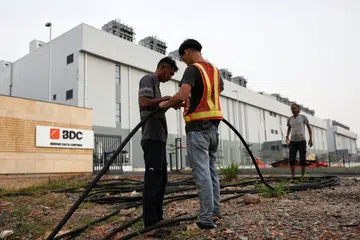
S-E Asia’s energy future won’t wait: EMA chief
Now’s the time to connect the systems that will power the region
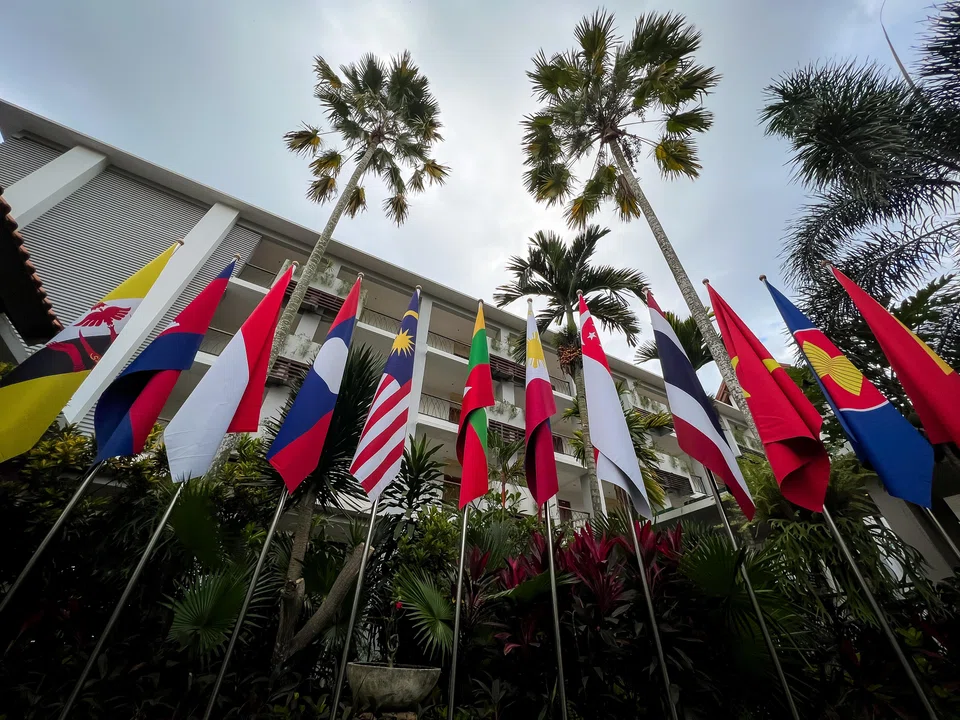
[SINGAPORE] The Asean Power Grid (APG) is the most talked-about energy subject of late. From policymakers to investors and academics, there is unquestionable buzz at conferences and boardrooms surrounding how the region can build a super grid for energy resilience and economic integration.
For those unfamiliar, the APG is not a new idea. It was first conceived decades ago with a vision of linking up the power grids in South-east Asia. While there have been efforts to facilitate cross-border power trade, regional countries were more focused on increasing domestic electrification and keeping the power on.
Post-pandemic, the pursuit of the APG has taken on greater urgency. Driven by urbanisation, digitalisation and decarbonisation efforts, power demand in South-east Asia is outpacing global demand growth at 4 per cent annually.
While South-east Asia boasts significant renewable energy potential, these resources are widely distributed across the region and distant from demand centres. The APG could therefore act as the backbone of the region’s grids by connecting these renewable-rich areas to demand centres across the region.
To demonstrate the technical and commercial feasibility of cross-border power trade, the four countries of Laos, Thailand, Malaysia and Singapore started trading up to 100 megawatts (MW) of power from 2022. This project has since increased the power traded to up to 200 MW. With its success, Asean has committed to implementing the APG by 2045 and strengthening cooperation on grid interconnections, such as submarine power cables for cross-border power trade.
There is also massive interest from the public and private sectors to invest in the APG. To that end, Singapore has announced conditional approvals and licences for more than 8 gigawatts of cross-border power-trading projects across the region. Multilateral banks have also come forward to de-risk and mobilise funding for the development of domestic grids and interconnectors.
With renewed ambitions and ready financing, why are we not moving faster on regional power integration?
The work to upgrade, modernise, connect and invest in our grids must start today. We could do more to harmonise our regulations, grid codes and technical standards. Smart grids using artificial intelligence and digital twins also need to be introduced to optimise energy flows and manage renewable intermittency.
As new technologies and challenges emerge, South-east Asia must quickly organise itself to leverage these new capabilities and break new ground. With the deadline set to realise the APG by 2045, the window to act narrows even as energy demand climbs.
The writer is chief executive of the Energy Market Authority. This piece was written in connection with the 2025 Singapore International Energy Week, themed “Envisioning Energy Tomorrow, Building Systems Today”, happening from Oct 27 to 31.