

Safeguarding American secrets
 Add BT as a preferred source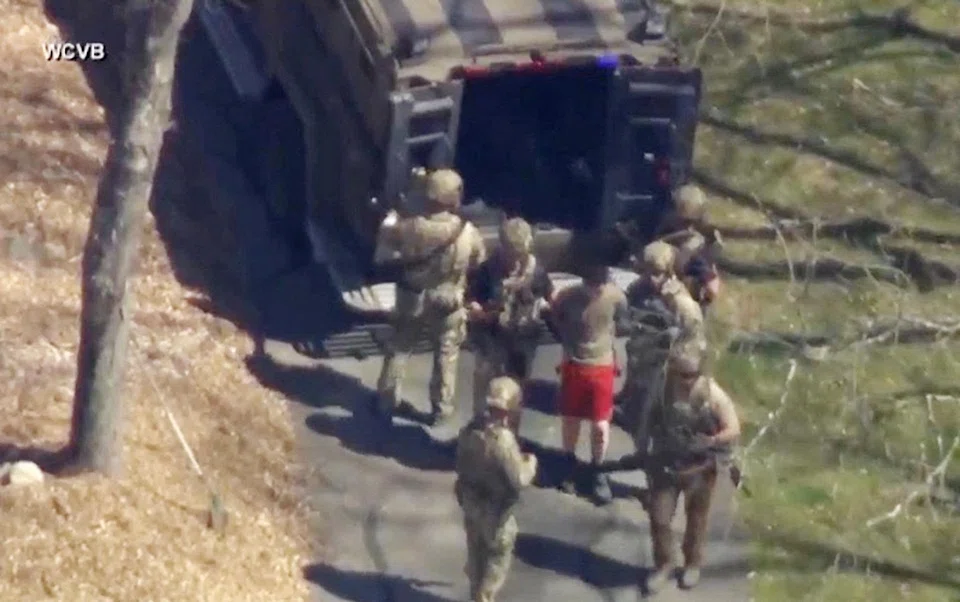
IT WOULD have sounded funny, like material for a late-night television comedian, if it wasn’t serious and quite depressing.
A 21-year-old US National Guard airman – a gun enthusiast with extremist right-wing views – spilled hundreds of classified documents and government secrets onto an online chatroom, the members of which were fans of “Oxide”, a YouTube influencer known for his gaming clips. Jack Teixeira, who was administrator of the chatroom, Thug Shaker Central, wanted to impress the teenagers and 20-somethings in the group – mostly gamers who exchanged dark and racist jokes – by flaunting his access to and exposing the secret intelligence of the world’s largest military superpower.
The US government has already been embarrassed by the damaging exposure a few years ago of classified government documents by two American intelligence operators, Edward Snowden and Chelsea Manning. Their actions, they argued, were driven by the goal of revealing what they considered to be illegal and harmful worldwide gathering of intelligence, including those relating to close US allies. There have also been cases of Americans providing government secrets to US enemies out of ideological reasons, or in exchange for money.
TRENDING NOW

Johor property old hand KSL readies family handover amid market boom

Wilmar, Musim Mas among palm-oil firms in Indonesia under probe for suspected export under-invoicing
Sats may reward shareholders with special dividend if there’s spare cash

Property group Lee Kim Tah reaches settlement with ex-director in ongoing misconduct probe

