

Upholding the Singapore system against corruption’s threat
INTEGRITY is vital for business. Any hint of corruption that involves leaders of government and business is especially bad, because a couple of bad apples can tarnish the whole barrel.
For the first time in many years, Singapore finds itself confronting the possibility of corruption involving both an active minister and a prominent member of the business community.
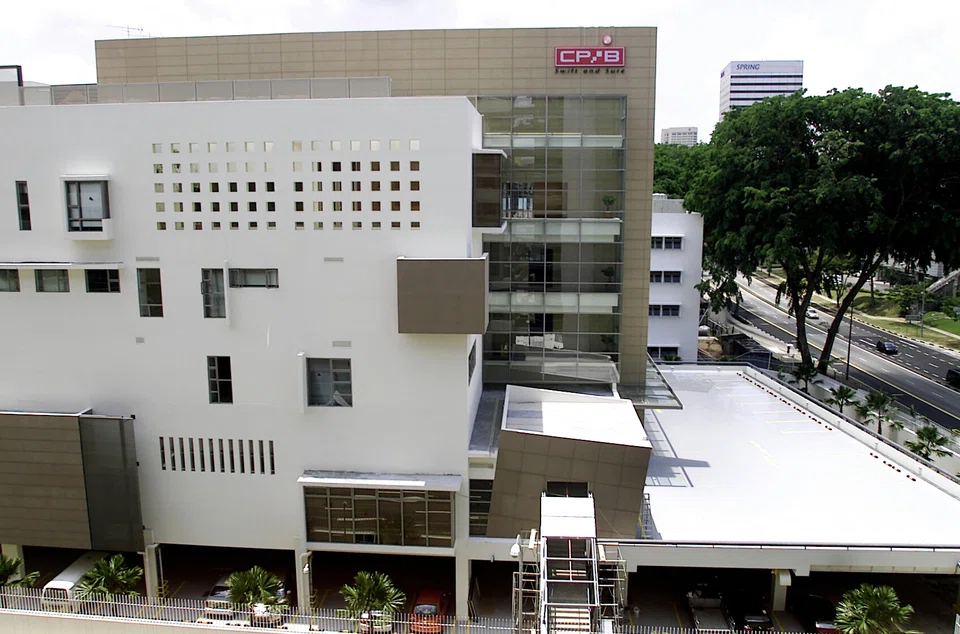
The Corrupt Practices Investigation Bureau (CPIB) arrested Transport Minister S Iswaran and property tycoon Ong Beng Seng last week in connection with an ongoing probe. The minister is currently on leave of absence from the government. No charges have been filed.
Public institutions that are effective, disciplined and free of corruption have become key selling points for Singapore, with this reputation being especially valuable in Asia. People, services and money like to reside and flow through Singapore precisely because of those values.
But that reputation has not been easy to build. To obtain its current fifth spot atop Transparency International’s Corruption Perception Index, Singapore is pitted against 179 other countries and assessed by at least three of 12 independent institutions that specialise in governance and business climate analysis.
A high-profile scandal tarnishes the carefully built image. Fortunately for Singapore, reaction appears muted among businesses and investors; aside from the understandable excitement about a potential scandal, the stock market has not crashed and business investments continue apace. This is a testament to the country’s track record and to a culture that is generally intolerant of impropriety. This blemish is therefore unlikely to do significant harm to Singapore’s reputation at this time.
But the nation cannot afford many more scandals before the confidence is undermined. Singapore must fight against complacency and keep up its fight against corruption. Three things must happen.
The first is that Singapore must deal with the current issue – and all subsequent ones – with adequate transparency. As Prime Minister Lee Hsien Loong says, no system can be completely infallible. How leaders deal with mistakes is therefore just as important as preventing them.
PM Lee’s swift approval of the CPIB investigation and CPIB’s arrest of two prominent members of the political and business communities are notable. They reflect an adherence to principles and the commitment to do the right thing.
Ongoing developments in the case should be communicated to the public with as much transparency as possible. It is by seeing the process at work that investors and the public keep confidence in its institutions. As the late US Supreme Court judge Louis Brandeis famously wrote on corruption: “Sunlight is said to be the best of disinfectants.”
The second thing that must be done is the stepping up of government efforts to improve the integrity of processes at ministries and statutory boards.
The annual Auditor-General’s report regularly finds lapses in various operational aspects of the government. These lapses need to be reduced, which would require a more proactive approach to addressing the gaps. But that effort is important, because stronger processes and institutions make it harder for individuals to avoid scrutiny.
Finally, Singapore’s political establishment must never simply rest on the reputation built in the past. While no system is infallible, there is still every reason to try and minimise failures. How leaders are picked, schooled about fundamental values, and monitored for adherence will be an important part of the process.
TRENDING NOW

Once staunchly pro-China, Malaysian Chinese businesses are now distancing themselves from Beijing

New launch or resale unit? Here’s a guide for homebuyers
The lesser-known prospects in the Asian chipmaking supply chain

Cliff Tan has 7 million followers and a 4-month waitlist. Why won’t he expand his business?

