Singapore’s AI roll-out needs a ‘disagreement drill’
Can human employees spot an error in an artificial-intelligence output and justify the challenge?

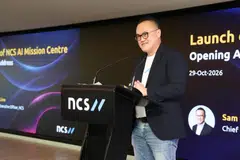
I REFER to the article, “Singtel’s NCS to more than triple AI specialist workforce to over 300 in two years” (Oct 29).
As Singapore prepares to grow the workforce that brings artificial intelligence into daily operations, employers face the question: Who can recognise when a convincing AI answer is wrong?
NCS’ investment into workforce expansion is useful. Yet the decisive test comes after those specialists hand a tool to an ordinary employee.
A procurement officer may receive a plausible AI summary that misstates a supplier’s terms. A human resources manager may find an invented requirement in an AI-generated job description. Faster answers can make either error spread before anyone checks it.
Every roll-out should include a 10-minute disagreement drill.
Give staff a convincing AI response with one material mistake. Ask them to locate the authoritative source, identify the consequence of the error, and demonstrate how they would stop or correct the workflow. Repeat the exercise with realistic documents a month later.

The report also describes NCS’ plans for internal reskilling and creation of early-career work-study pathways.
Those programmes should teach people to justify when they challenge an AI output. Employers can then track two concrete measures: time saved after corrections, and the proportion of employees who catch consequential mistakes without a hint.
The 300 embedded specialists will accomplish far more when the workers they support can recognise when the machine has got something wrong.

Dr Gleb Tsipursky Behavioural scientist and author
Decoding Asia newsletter: your guide to navigating Asia in a new global order. Sign up here to get Decoding Asia newsletter. Delivered to your inbox. Free.
Share with us your feedback on BT's products and services