

Singapore’s energy decarbonisation must be pragmatic
Oil and gas industries should not be cut off too early in the journey towards net zero
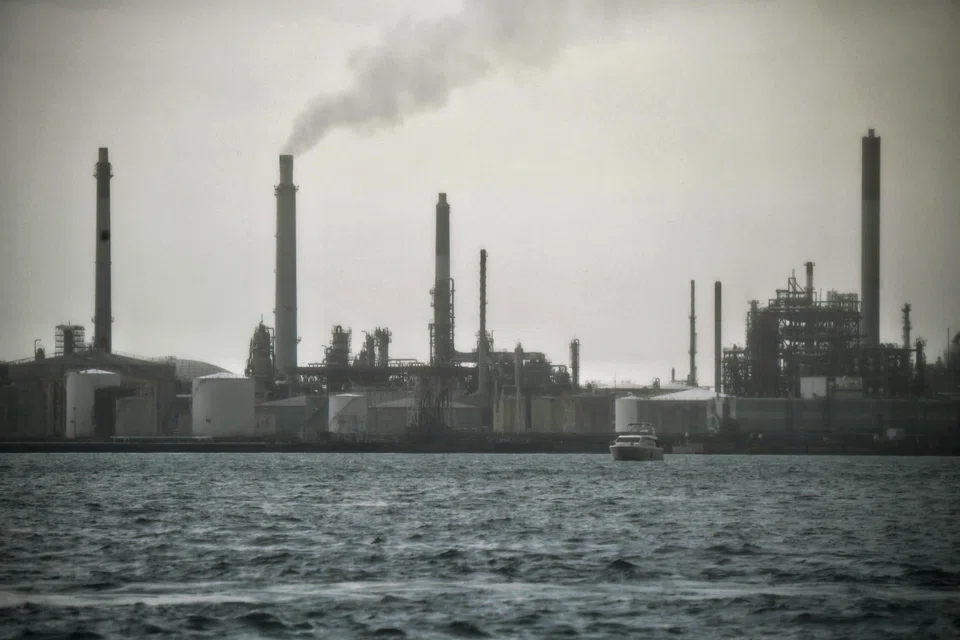
IN THE last year, Singapore has made great strides in committing to a carbon-free future. Led by the ambitious Singapore Green Plan 2030 and the Energy 2050 Plan, decarbonisation intiatives have kicked off in sectors important to Singapore’s story and economic journey: in the maritime sector with MPA’s 2050 decarbonisation blueprint and with the public sector targeting net zero by 2045.
As Singapore moves to realise these bold goals, however, it needs to retain a strong strain of old-fashioned prudence. Pragmatism – balancing our ideals for a sustainable future with the realities of our uncertain present – must be the fulcrum upon which we balance the lever of energy decarbonisation.
Decarbonisation remains a priority
In 2022, the government floated a wide array of game-changing sustainability measures, from progressive carbon taxes and coastal flood protection to electric vehicle rebates and green finance. This year, the Budget prioritised support for Singaporeans and businesses in the face of the rising cost of living and major economic headwinds.
TRENDING NOW

Once staunchly pro-China, Malaysian Chinese businesses are now distancing themselves from Beijing

Looking beyond looming CEO succession, should UOB potentially pursue a transformative merger?

Could stablecoins be the future of money?

Grab CEO’s wife Chloe Tong on life with Anthony Tan and finding her purpose

