

Singapore’s F1 race has its detractors, but healthy ticket sales prove event has plenty of legs
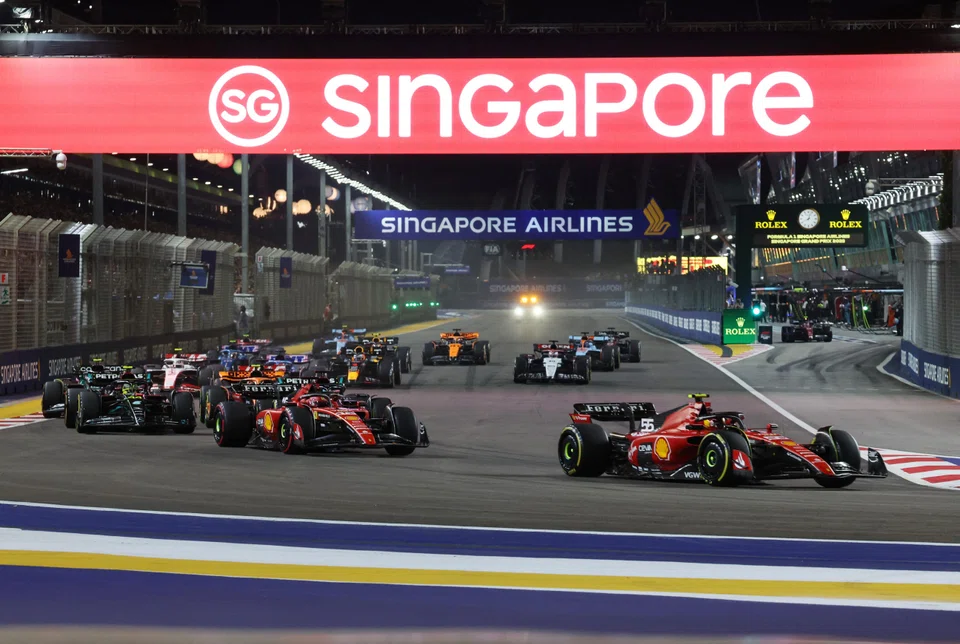
EVEN after being a mainstay on Singapore’s sporting calendar for the last 15 years, the Formula 1 Grand Prix continues to be an event that divides opinion as far as its relevance and appeal are concerned.
There is the camp that insists the annual event – the sport’s first night-time race in Formula 1’s history – is nothing more than an extravagant waste of public funds (the government foots 60 per cent of the S$150 million cost each year) and largely only for the elite to enjoy. They bemoan the fact that there are lengthy and massive road closures, while the malls and eateries inside the Marina Bay Street Circuit often report a drop in footfall and takings during race week.
Then there’s the issue of Formula 1’s immense carbon footprint, mainly due to the sport visiting nearly two dozen cities every year and having to transport all the expensive cars and equipment from one venue to another.
There is perhaps very little that one can say or do to change these people’s minds about why Singapore should continue hosting the Formula 1 race.
But if the attendances at the last two events are any indication, it’s clear that the Singapore Grand Prix – the only stop in South-east Asia on this season’s calendar – has far from lost its shine and popularity.
In January 2022, it was announced that Singapore would continue to host the event for seven more years – until 2028 – making this the longest renewal to date. The first two editions of this latest contract were highly successful. Last year’s race saw a record 302,000 visitors over the three days, while last weekend’s race welcomed 264,108 fans, a figure that exceeded expectations given the closure of the Bay Grandstand. This year’s number was also higher than the 263,000 spectators who passed through the turnstiles in 2018, and just a shade under the 268,000 in 2019.
This year, the organisers opened six new grandstands and launched extra walkabout tickets to mitigate the loss of capacity, and all of these passes were snapped up in no time. What’s more, a batch of so-called “super early bird” tickets for the 2024 Singapore Grand Prix went on sale last Thursday – a full 12 months before the event – and these were sold out in just 72 hours.
It’s worth recalling that one of the main reasons why Singapore sought the Formula 1 hosting rights in the first place was to have a unique global sports event with the stature and prestige that would put the city-state on the world map. That objective has been met, and it continues to be relevant today with many international conferences, conventions and concerts being held in the country in the same week as the Singapore Grand Prix. Many foreign dignitaries also visit Singapore during this time for meetings and to attend the race.
According to the Ministry of Trade and Industry, hosting the Formula 1 has many spillover benefits for the economy and the people, with some 90 per cent of the race organisation subcontracted to Singapore companies.
While some may have questioned the government’s decision to commit to a record seven-year extension in the uncertain economic climate, the strong demand for these last two editions is proof that it was wise to act early and lock in the deal, given how many other global cities are also eyeing a coveted spot on the Formula 1 calendar.
TRENDING NOW

Two Singapore-listed palm oil firms named in Greenpeace report on Indonesian plantation fires

Singapore Airlines flight returns to San Francisco after ‘unruly’ passenger incident

Singapore looking into which companies responsible for haze-causing fires: PM Wong

Deluge IPO 3.86 times subscribed ahead of SGX debut

