Singapore’s next mandate: Turning the SGX-Nasdaq ‘bridge’ into durable growth
Every player in our capital market ecosystem must pitch in to drive the success of the initiative
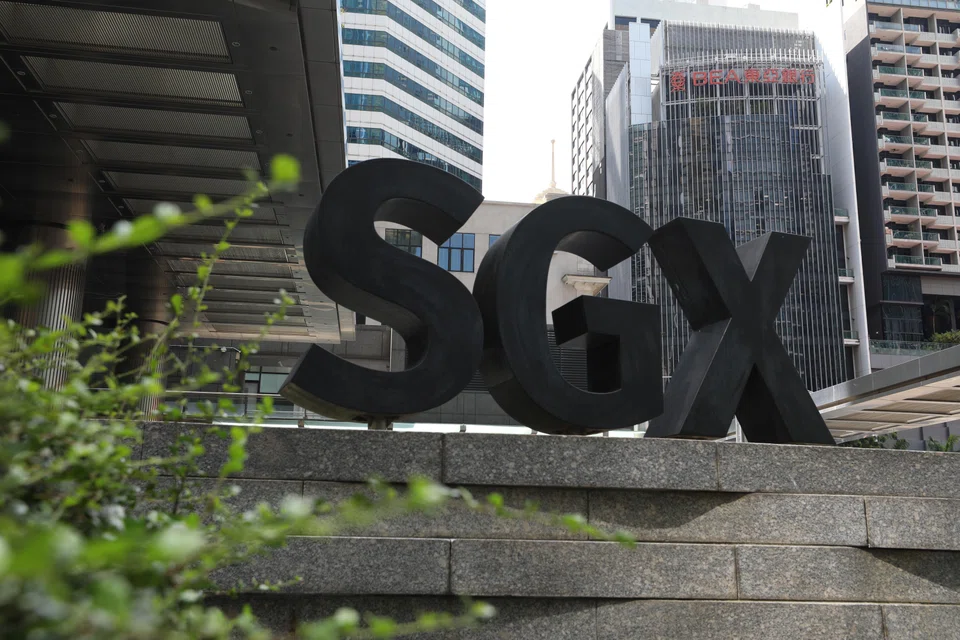
THE landmark “dual-listing bridge” announced by the SGX and Nasdaq is an important part of the plan by the Monetary Authority of Singapore (MAS) to revitalise the local equities market.
Providing a simplified path for large companies in Asia to access growth capital and liquidity in both the US and Asia simultaneously, this initiative fundamentally aims to reposition Singapore as a key hub for Asian growth company listings.
With over 60 South-east Asian unicorns operating regionally, this dual-listing framework is the mechanism for Singapore to solidify its position as the listing gateway for the region’s next generation of public market champions.
It mirrors the way regional businesses scale today – across borders, time zones and investor bases. This significant step is a cause for celebration for everyone operating within Singapore’s capital market system.
The bridge’s long-term success requires collective action. For this initiative to fulfil its promise, the entire ecosystem must now focus on strengthening the foundational pillars and mobilising the necessary capital flow.
Strengthening the foundations: liquidity, valuations and mid-cap growth
Key initiatives are well in place to establish stronger foundations for Singapore’s equity market that will support this dual-listing bridge. The S$5 billion Equity Market Development Programme, with S$3.95 billion already committed, targets thin liquidity and muted institutional participation.
The average daily trading value at SGX reached S$1.53 billion in Q3 – the highest since 2021. Even a fraction of this capital applied to sustained market-making could further lift liquidity to S$2 billion, with a meaningful shift for mid-caps, which make up 70 per cent of SGX’s listings.
Meanwhile, the Value Unlock programme aims to close the 20 to 30 per cent valuation discount faced by Singapore-based companies through stronger governance and clearer capital allocation.
With consistent delivery, these initiatives could expand the share of investable counters with over S$1 million in daily liquidity from today’s approximately 15 to 25 per cent – enough to transform the upcoming Growth Board into a genuine catalyst.
Activating the retail liquidity engine
To ensure the long-term sustainability of this initiative requires every player in Singapore’s capital market ecosystem to drive its success – including platforms that connect to the rising retail investor base.
While institutional capital is critical, the enduring success of the bridge hinges on activating the domestic retail liquidity engine to complement institutional demand. Indeed, retail investors should be viewed not just as participants, but as a crucial, structural source of capital.
For investors, especially those long accustomed to Singapore’s dividend-heavy profile, the bridge might open access to higher-growth regional champions that may not have previously listed here. This closes the exposure gap between where Asia’s wealth is actually being created (in high-growth tech and innovation) and what is listed locally.
This shift places a non-negotiable mandate on wealth management platforms and brokerages, which serve as the essential last-mile infrastructure connecting MAS’ market architecture to retail uptake.
The role platforms can continue to play includes ensuring investors have seamless access to both SGX- and US-listed lines, making dual-market trading intuitive, expanding fractional investing for high-value shares, and providing educational content that helps investors evaluate growth investing metrics around the risk-reward profile of high-growth technology listings.
Nurturing the next cohort of pre-listing enterprises
The SGX-Nasdaq bridge is the destination; we must strengthen the pathway leading to it.
True, long-term success is not just about facilitating listings today; it hinges on building a robust pipeline of high-potential companies that will be ready to use it tomorrow. Singapore is already a world leader in supporting startups. The question is how firms can get the same level of support when they enter their “scale-up” phase – when they have grown beyond startup, but still fall short of mature corporate status.
There is a big opportunity to ensure that initiatives such as Enterprise Singapore’s Scale-Up programme deliver the coordinated support that companies at Series B and beyond really need.
To shepherd scale-ups through this critical stage of growth, there needs to be a favourable business environment. Consolidating and coordinating Singapore’s current ecosystem networks – leveraging international expansion, regulatory alignment and top-down talent initiatives – is necessary to bolster domestic competitiveness. This collective effort will galvanise pre-initial public offering (IPO) enterprises into a vibrant pipeline of firms that can capitalise on the bridge’s potential.
Ultimately, providing this level of support is essential for the nation’s economic future. By nurturing these high-potential firms to achieve billion-dollar triumphs instead of just million-dollar exits, the reinforcing economic benefits for Singapore are clear.
A durable cornerstone of Asian growth
The SGX-Nasdaq partnership is thus a defining moment for Singapore’s ambition to be a regional and potential global capital gateway. Now, the challenge for all players in the ecosystem is clear: We must commit to holistically building the supply line by nurturing our pre-IPO champions and activating the demand side through accessible retail investment infrastructure.
By strengthening both the pathway and the participation, this bridge can solidify its role as a durable cornerstone of regional capital flows.
The writer is founder and chief executive officer of Syfe