

Singapore’s plant trade thrives but rising costs, market saturation threaten businesses
New crop of younger buyers boosts ‘boutique’ businesses while garden centres face more competition, tough retail climate

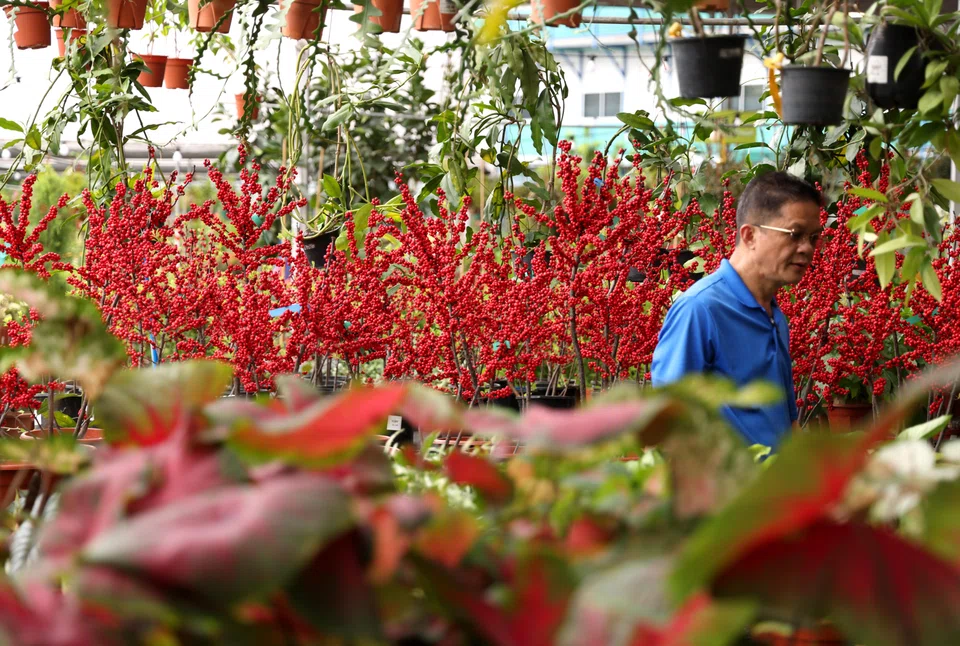
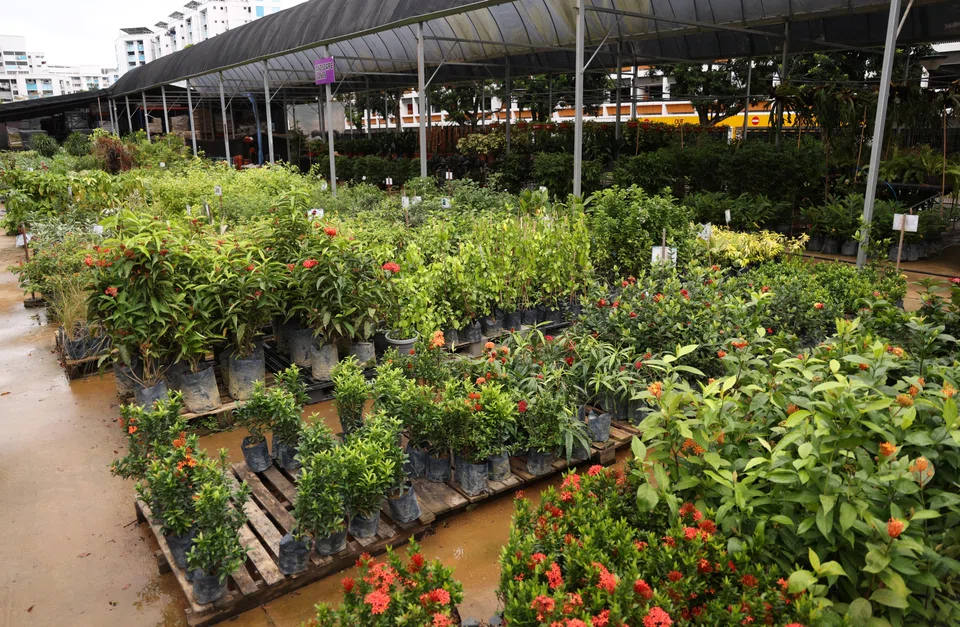
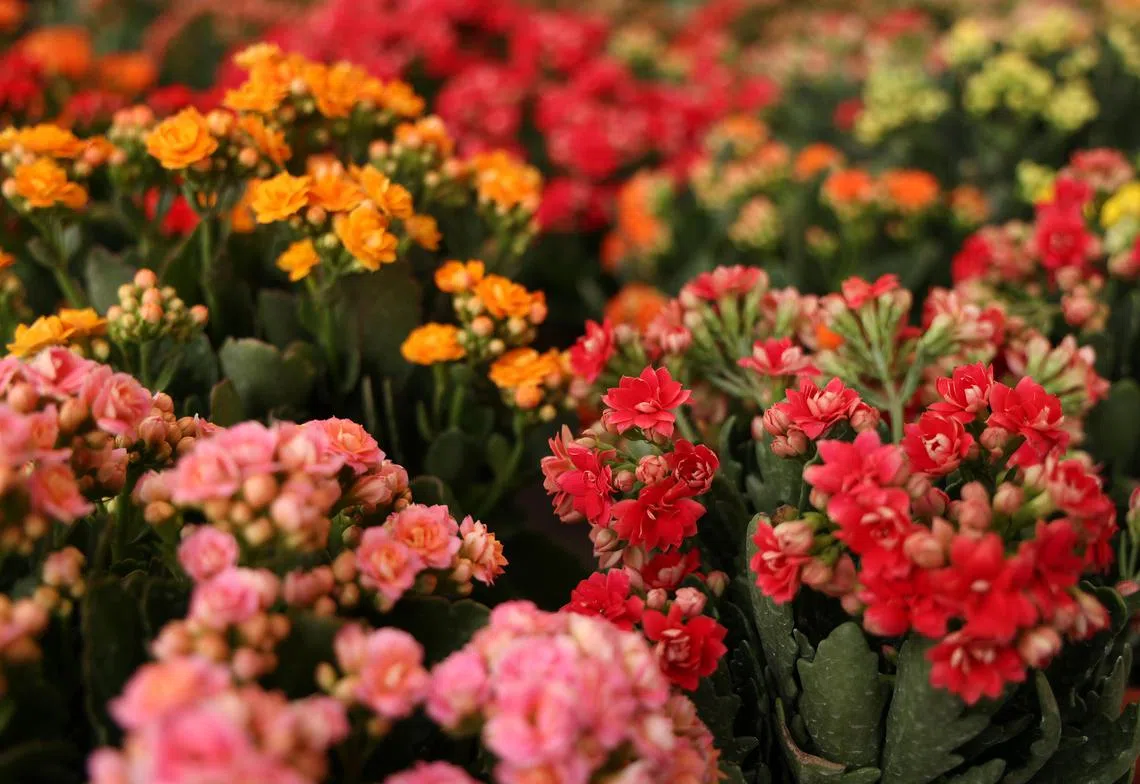
NESTLED in the heart of Jurong East is World Farm Nursery. Rows of plants stretch across 8,000 square metres of land, from potted succulents to houseplants with glossy green leaves. Various flowering plants in vivid reds, pinks and yellows are bursts of colour in the space.
Though it is a weekday afternoon, the occasional shopper can be seen browsing the nursery, adding some activity to the otherwise peaceful setting.
World Farm is one of 30 nurseries in Singapore that is accredited under the National Parks Board’s (NParks) Nursery Accreditation Scheme as at January this year. Launched in 2012, the scheme provides a benchmark for the operating standards of individual nurseries, with the long-term goal of developing and maintaining productive nurseries.
The industry appears to be healthy for these players and the hundreds of other plant shops across Singapore. Market reports predict a compound annual growth rate (CAGR) of more than 5 per cent for the sector in the next few years.
This follows a botanical boom during the Covid-19 pandemic, when more people were buying houseplants as restrictions kept them indoors.
But a mixed picture has emerged on the ground, as some businesses struggle with growing costs and inflationary pressures amid economic uncertainty.
Several businesses that spoke to The Business Times note a blooming interest in plants and fairly steady growth in the past two to three years – although these admittedly pale in comparison to the pandemic boom.
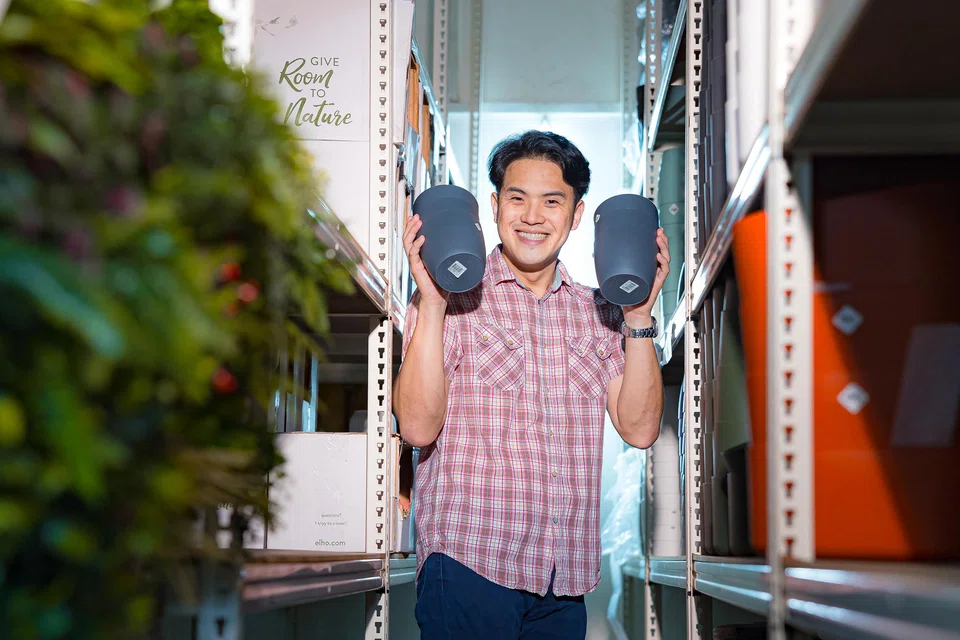
At Noah Garden Centre, for instance, founder and chief executive officer Darren Neo says sales went as high as S$10,000 a day during the pandemic. While daily sales have since dropped to between S$2,000 and S$5,000, Neo says that they are still more than double what the online plant retailer earned pre-pandemic, which was S$1,000 or less a day.
Likewise, Tumbleweed head of commerce Sam Ho says the plant-focused e-commerce company has had year-on-year increases of 30 to 40 per cent since 2021.
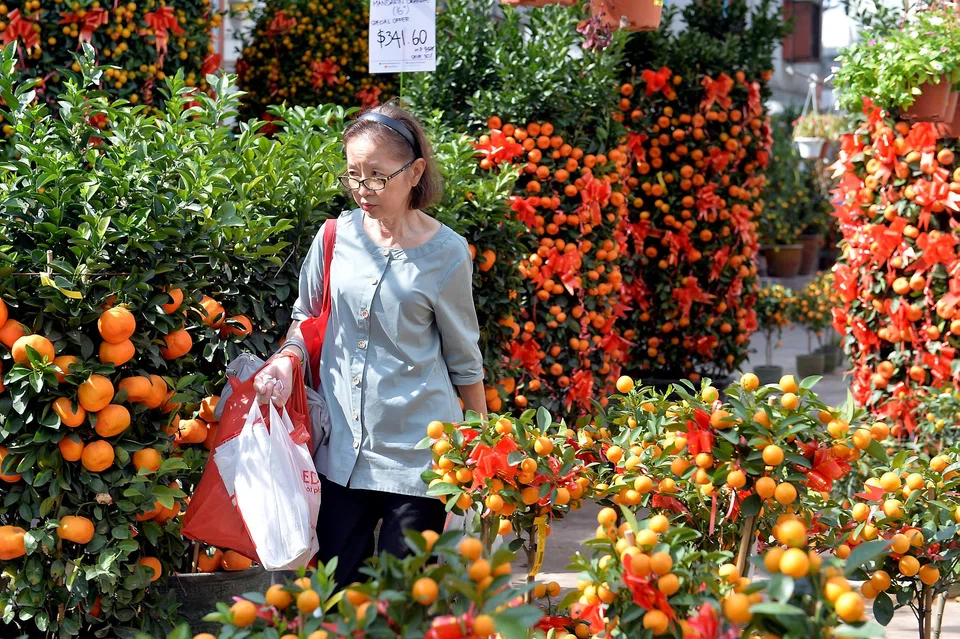
In particular, the Chinese New Year period is when the retailer sees the biggest jump in sales – 50 to 80 per cent more than in other periods of the year, Ho says, adding that the most sought-after plants tend to be those that symbolise prosperity or good fortune, such as bamboo, kumquat and money plants.
These blossoming online businesses reflect a fast-growing global trend, tracking interest in gardening that bloomed during the pandemic.
A report by Data Bridge Market Research shows that the global indoor plants industry was valued at US$19.7 billion in 2023, and is projected to reach US$28.8 billion by 2031, at a CAGR of 4.9 per cent.
Another report by 6Wresearch predicts that in Singapore, the flower and ornamental plants market will see “moderate” CAGR of 5.7 per cent between 2020 and 2026.
“Rising disposable incomes have enabled consumers to splurge more on their lifestyle products, such as flowers and ornamental plants. This has led to an uptick in consumer spending on these products, which is further driving… market growth,” says the 6Wresearch report.
Data Bridge points out heightened awareness of horticulture therapy – with indoor plants believed to reduce stress and enhance mental well-being – is further fuelling demand. This is especially so in residential sectors, where individuals seek “relaxation and a connection with nature”, the firm says.
A study conducted by NParks during the pandemic in 2021 discovered that those who engaged in weekly gardening had higher mental resilience than others in the general community.
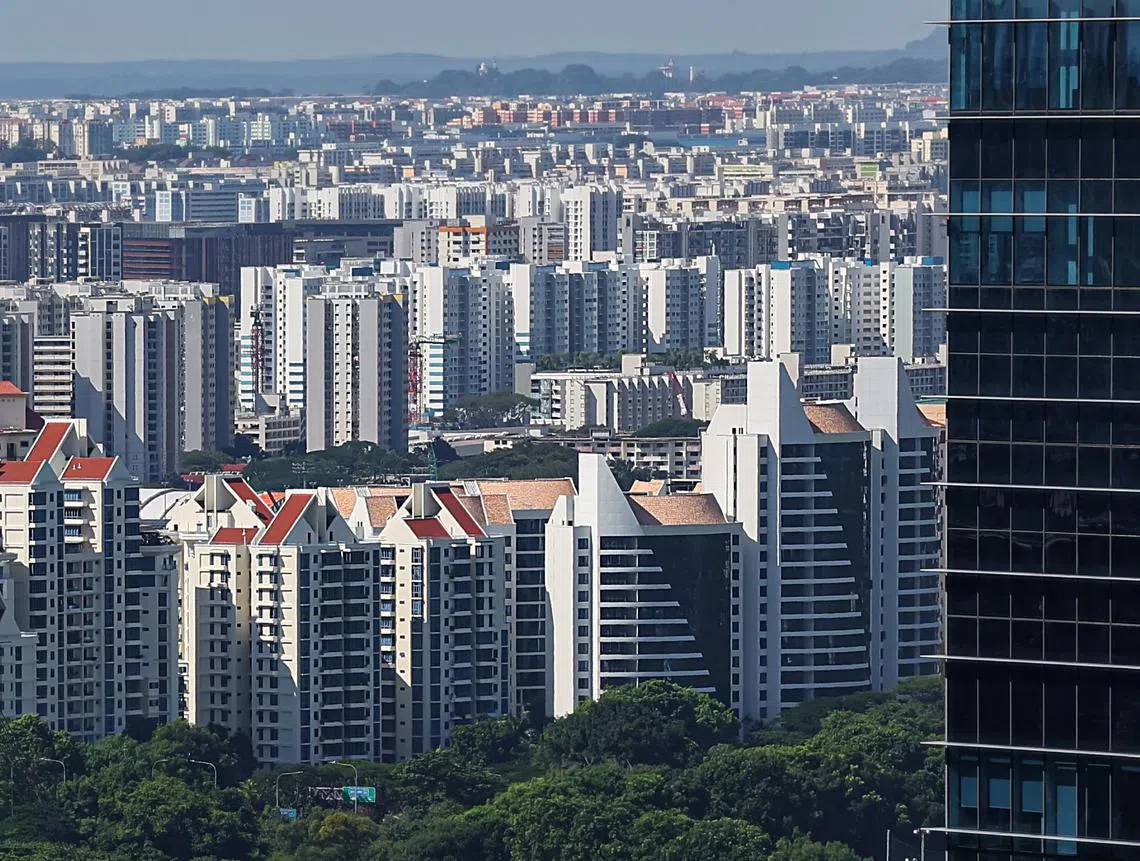
Kay Pungkothai, director at NParks’ centre for urban ecology and greenery, notes that many in Singapore live and work in high-rise buildings. “Indoor gardens liven up homes and workspaces, and provide more opportunities for us to enjoy greenery in our daily life.”
Tumbleweed’s Ho adds that it is easier than ever to buy plants. “You have traditional garden centres and even supermarkets selling plants, as well as more online options.”
Even older consumers have embraced online shopping, including for their plant needs, says Neo.
“It’s an easier way of shopping – you don’t need to drive out to a nursery, sweat in the hot sun, or get mosquito bites. Some companies, such as Noah Garden Centre, have seven-day warranties to guarantee plants are in good condition.”
“Bringing nature indoors is a way for companies to create a more comfortable environment for workers. We live in such a concrete jungle. If you constantly keep monkeys in a prison, they’ll go crazy. ”
Darren Neo, founder and chief executive officer of Noah Garden Centre and Vertical Green
On top of that, there is thriving demand from corporates, he says. This has driven growth at Noah Garden Centre as well as his other business, Vertical Green Group, which designs, builds and maintains urban greenery projects.
He believes it is largely a nation-led effort, given that many plant purchases at his companies are part of, or related to, government projects.
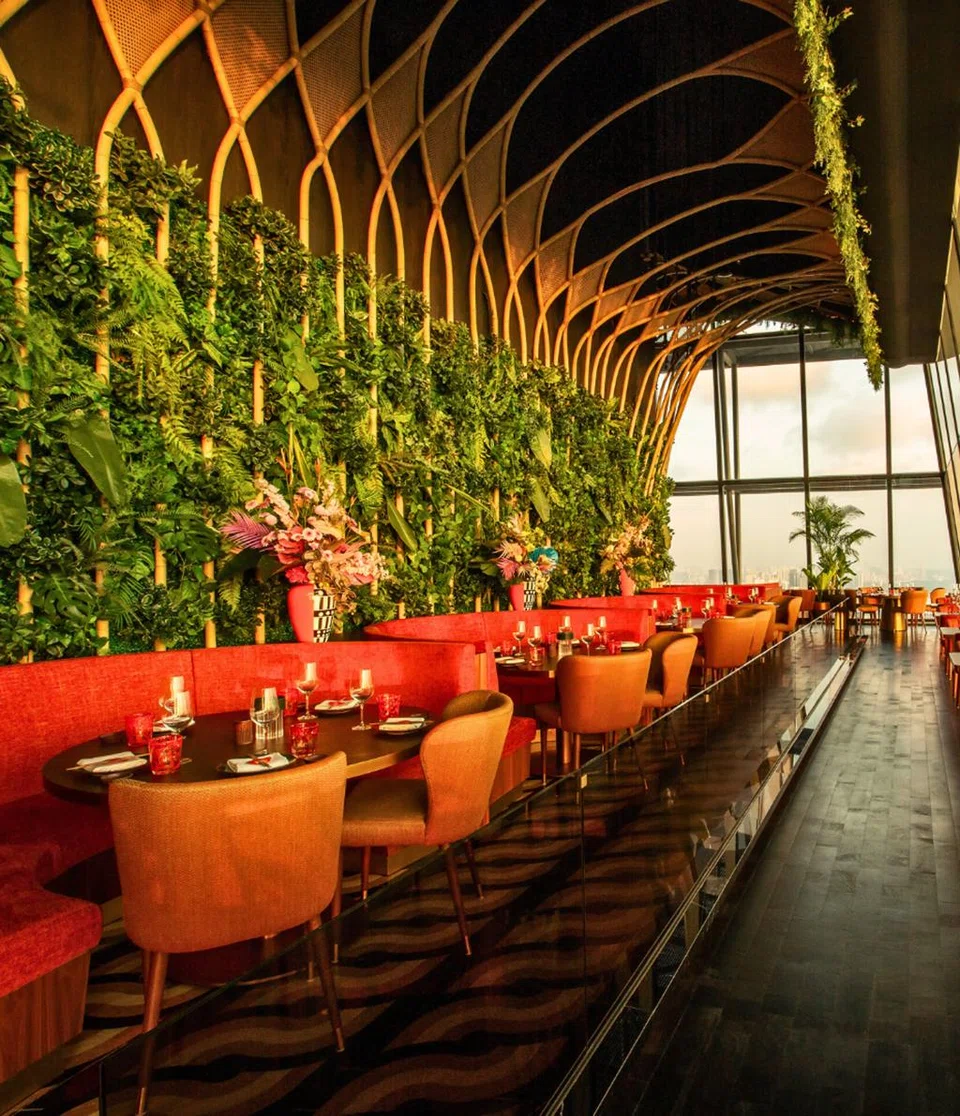
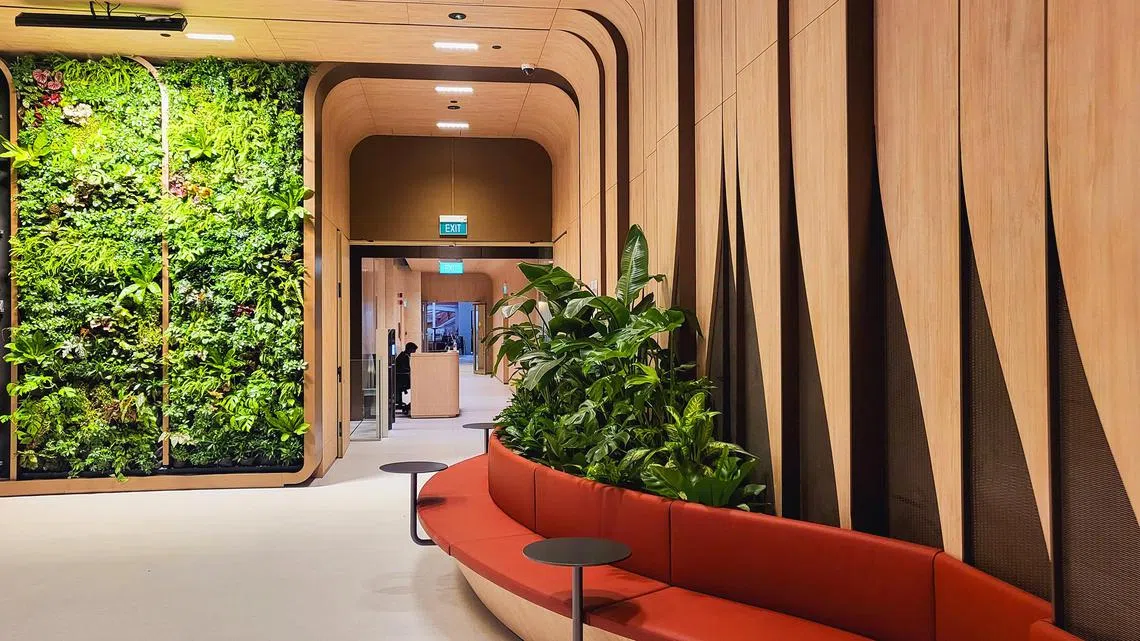
Developers and companies are also increasingly conscious of the importance of environmental well-being, and therefore investing more heavily in greening their buildings or offices, adds Neo. One of his latest projects was greening the facade and interior of the office development 18 Cross Street in Telok Ayer.
“Bringing nature indoors is a way for companies to create a more comfortable environment for workers,” says the chief executive. “We live in such a concrete jungle. If you constantly keep monkeys in a prison, they’ll go crazy.”
Cocktail of challenges
But not all plant businesses in Singapore are experiencing this upswing.
Statistics from the Accounting and Corporate Regulatory Authority show that 135 plant businesses folded in 2023, versus the 142 businesses that opened the same year. In comparison, the pandemic years of 2020 and 2021 had an average of 76 closures and 165 new openings a year.
These businesses are primarily listed as those growing orchids, ornamental plants and other nursery products; wholesalers of cut flowers and plants; and those selling cut flowers.
Orchid nurseries in the Lim Chu Kang area, for instance, were turfed out in 2022 and 2023. Some 70 vegetable, fish and bird farms and nurseries had to relocate as the land on which they were sited was earmarked for military use.
“Everyone agrees that this is one of the worst years for retail, even worse than the 1997 recession.”
Ng Keng Guan, assistant sales manager at World Farm
World Farm assistant sales manager Ng Keng Guan says business has been lacklustre since the pandemic peak.
In 2022, the nursery moved from its longtime location along Bah Soon Pah Road in Yishun to Jurong East, to make way for the development of a massive new public housing estate in Chencharu.
The relocation led to a 50 per cent drop in footfall, says Ng. The nursery is consequently bringing in fewer plants today – a third to half of its previous volume – although the variety remains, he adds.
He believes consumers in Singapore have tightened their purse strings and become more price-conscious amid the poorer and uncertain economic climate.
“This is an ongoing trend witnessed by all the big players in the market,” he says. “Everyone agrees that this is one of the worst years for retail, even worse than the 1997 recession.”
At the same time, material and labour costs as well as rents have surged, he notes. NParks’ website indicates that monthly rents for landscape nursery plots ranged from S$19,888.70 to S$41,0000 in the latest tender exercise, in April 2024.
Rents for some of these plots, if obtained in the 1990s, could be less than S$10,000 a month, adds Ng.
“Overhead costs alone can go up to half a million dollars per month,” he says. “There are still hidden costs such as levy fees, taxes and other unanticipated costs like stolen or damaged plants.”
“Although the pandemic-driven ‘botanic boom’ has slowed, we anticipate steady growth in the coming years, driven by sustained consumer interest and evolving lifestyle preferences. ”
Peter Cheok, assistant deputy group managing director at Far East Flora
Furthermore, geopolitical tensions have affected raw material costs and oil prices, and tight competition means less leeway to adjust prices, he adds. This leaves World Farm with just enough to break even or make slight profits, he says.
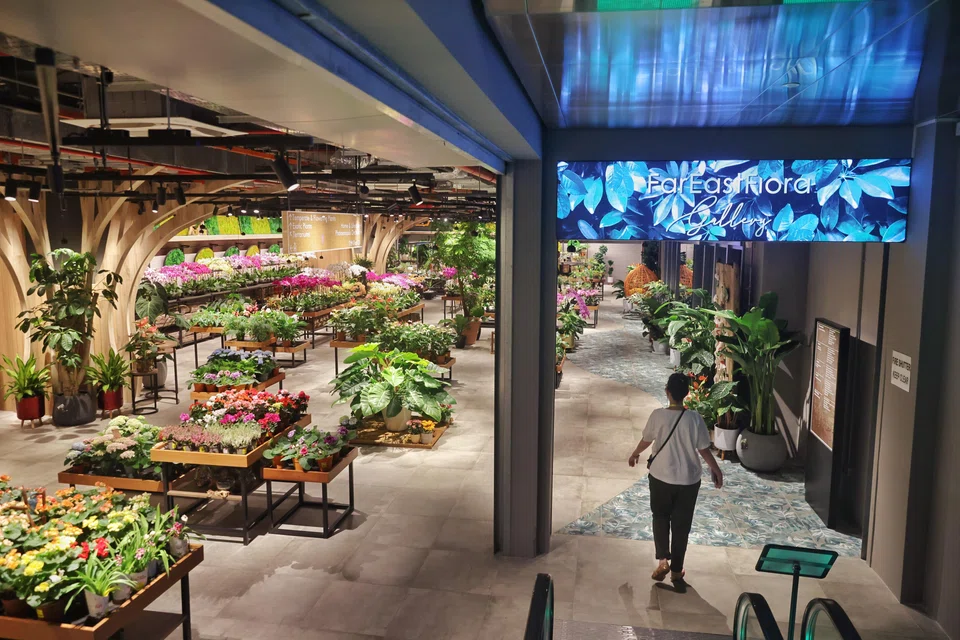
Peter Cheok, Far East Flora’s assistant deputy group managing director, agrees. While the local floriculture market may be on a positive trajectory, “retail garden centres are facing growing competition from new small entrants and grappling with high operational costs”, he says.
The rise in competition could be due to post-pandemic consumer demand, which, in turn, encourages more businesses to enter this once-sunset industry, he notes.
Among the entrants are “millennial-type plant boutique shops” – which appeal to younger urban consumers who value aesthetics and eco-conscious living options, thereby expanding the traditional plant market, he says.
Authorities have also been working to enhance Singapore’s greenery, increasing awareness and interest in plants indirectly.
The increasing market saturation makes customer retention more difficult and critical, and means stiffer competition for Far East Flora, says Cheok.
Gladwin Tan, business development manager at Prince’s Landscape – another nursery player – points to greater access to exotic plants as a factor as well.
“With proper documentation… individuals can now purchase plants worldwide and have them shipped (to Singapore) directly,” he says.
“This increased accessibility, coupled with the high cost of acquiring and maintaining exotic plants, makes it difficult for us to remain price-competitive, particularly due to the limited demand for these specialised plants.”
Finding an edge
To that end, Cheok says it is paramount for Far East Flora to differentiate itself from other players and maintain its competitive edge in an rapidly saturating market.
This means leveraging its longstanding brand reputation for quality, variety and service to retain loyal customers and attract new ones; continually expanding its products and service offerings; as well as paying extra attention to customers’ experience, he says.
He also remains optimistic about the industry’s future.
“Despite these challenges, we continue to see rising interest in plants and trends to incorporate greenery into living spaces,” he says. “Although the pandemic-driven ‘botanic boom’ has slowed, we anticipate steady growth in the coming years, driven by sustained consumer interest and evolving lifestyle preferences.”
Similarly, Tan of Prince’s Landscape sees great promise in the plant market, driven by both global and local trends.
The government’s ambitious Singapore Green Plan 2030 includes planting a million trees between 2020 and 2030 – this aligns perfectly with the United Nations’ 2030 Sustainable Development Agenda, notes Tan.
“These initiatives present significant opportunities for growth, and businesses like ours are well-positioned to capitalise on them,” he adds.
Market watchers note that the surge in interest in indoor plants among the younger generation – propelled by social media platforms and influencers – creates a “lucrative opportunity” for the market, too.
Despite the current challenges, World Farm’s Ng says it is still a blessing to work in the industry.
“The online market cannot completely cut us out since plant lovers will still prefer buying and seeing plants in person, so we will still survive even with the costs,” he says.
“For us, as long as you work hard in the industry, you’ll never die of hunger. But if you want to expand, that’s when the challenges and (immense costs) come in.”
TRENDING NOW

Once staunchly pro-China, Malaysian Chinese businesses are now distancing themselves from Beijing

Britain’s mansion tax shows the difficulty of targeting wealth

Three hats, one goal: How Ng Kian Swan runs sustainability at NUHS

COE review: The gap between luxury and mass-market cars isn’t the only one worth bridging

