

Singapore’s real startup problem is not funding
It is fundamentally a commercialisation gap, and if this is so, the country’s policy mix needs to reflect that
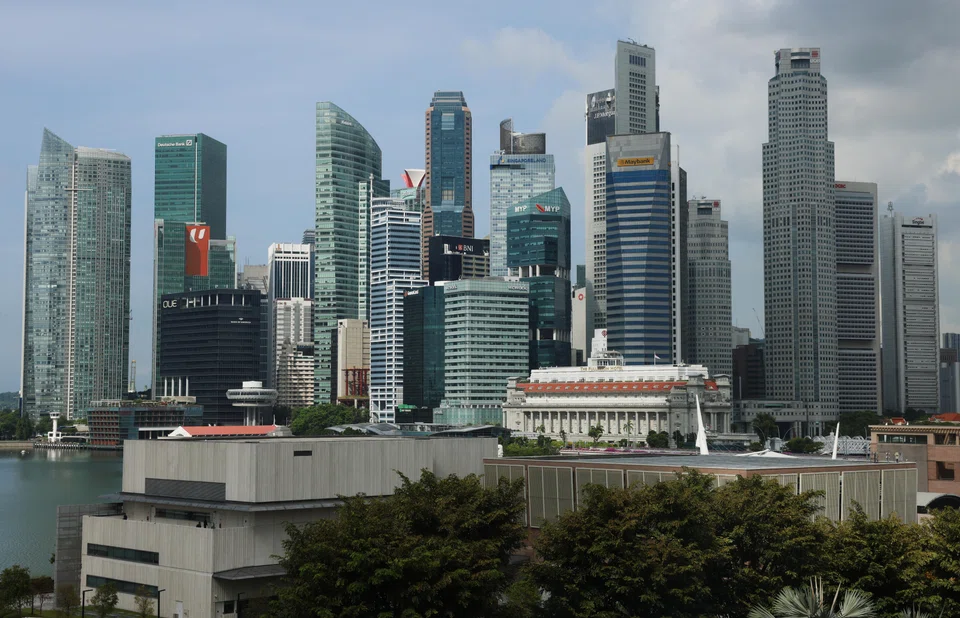
[SINGAPORE] The recent expansion of the Research, Innovation and Enterprise (RIE) 2030 plan to S$37 billion has been welcomed in the local startup community.
The intention is right. The instinct is correct. But the diagnosis behind it deserves a more honest examination.
Singapore’s challenge is not a shortage of research and innovation funding. It is a shortage of commercialisation.
The data is clear. Singapore consistently ranks among the world’s most innovative economies on input metrics.
Patents, research grants, research and development intensity, as well as technical talent, all rank in the global top tier.
Yet, Singapore underperforms – particularly in the conversion of research into globally scaled commercial businesses.
The reason is structural.
Most Singapore startups optimise for the home market, which is too small to produce companies at the scale of its European, American or Chinese peers.
The successful Singapore companies of the past 20 years did not become large by winning Singapore. They became large by winning regionally and globally from the very first product.
Money not the missing ingredient
The current RIE 2030 framework allocates the bulk of capital towards research and innovation, with a smaller portion towards commercialisation.
Venture-capital company CB Insights’ March 2026 analysis of 431 venture-backed startups – that have been shut down since 2023 – painted a stark picture.
Seventy per cent failed because they ran out of capital, but the root causes underneath were even more revealing.
Nearly 45 per cent failed due to poor product-market fit. Meanwhile, 29 per cent failed because of bad timing and 19 per cent failed due to unsustainable unit economics.
The median failed company had raised US$11 million, while the average had raised US$48 million.
Money was not the missing ingredient – market fit and commercial discipline were.
CB Insights’ data on global startup failures showed that only 5 per cent of them stemmed from technological inadequacy.
Forty-two per cent failed due to no market need. Thirty-five per cent failed because the founders chose problems that were interesting to solve, not problems the market urgently wanted solved.
If Singapore’s startup gap is fundamentally a commercialisation gap, the policy mix needs to reflect that.
More Singapore dollars into research will produce more research, which the country already has – more than it can commercialise.
A more effective allocation would direct a meaningful share of the RIE 2030 expansion towards operator-led commercialisation infrastructure.
This would include overseas market-access programmes, distributor and partner networks in Asia, and structured operator support that helps founders find customers in markets where their solutions are valued.
Singapore has already produced founders who built globally from day one.
Most of them did so without significant government support, because the support infrastructure was not designed for their growth path.
With S$37 billion now committed, the question is whether the next 10 years will continue to optimise for research output – or whether Singapore will finally invest in the operator infrastructure that turns research into globally scaled businesses.
Chris Chen Founder, Future 500
Decoding Asia newsletter: your guide to navigating Asia in a new global order. Sign up here to get Decoding Asia newsletter. Delivered to your inbox. Free.
Share with us your feedback on BT's products and services
TRENDING NOW

Once staunchly pro-China, Malaysian Chinese businesses are now distancing themselves from Beijing

Looking beyond looming CEO succession, should UOB potentially pursue a transformative merger?

Could stablecoins be the future of money?

Grab CEO’s wife Chloe Tong on life with Anthony Tan and finding her purpose

