

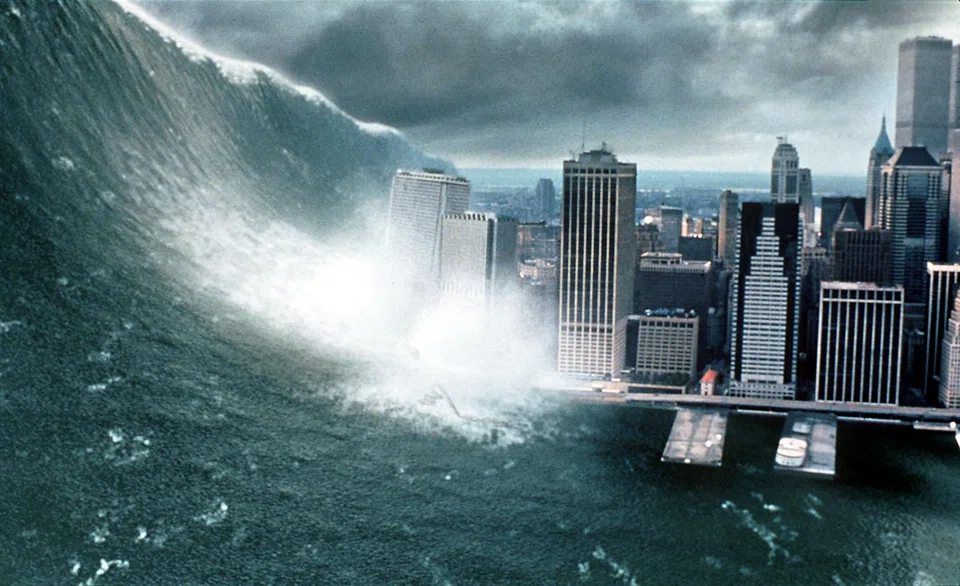
The slow-motion tidal wave consuming the economy
Economic models are failing us because they don’t reflect large forces that are already starting to impact the economy: Climate change, demographics, deglobalisation and AI
THE US economy today has been described variously as “weird”, “really weird” and “very, very weird”.
Weird because this is a yo-yo economy where gas prices shot up to more than US$5 a gallon and then settled back down. The inflation rate for used cars dropped, then accelerated at a 40 per cent rate before deflating at record speed. Housing has gone from boom to bust, then to boom again. Economic indicators have been described as “a Jackson Pollock painting of data points and trends”.
Economists can’t figure it out. Economic models are only getting us as far as separating top-flight economists into Team Stagflation and Team Soft Landing. Alan Blinder, the Princeton economist, talks about the prospects of the Federal Reserve nailing a soft landing like he is handicapping a team’s Super Bowl prospects: “I think they still have a chance, but it’s a tougher chance than it was.”
TRENDING NOW

Fed hike throws Singapore banks a margin lifeline; UOB most likely to feel impact

He built the Vingroup empire. Now South-east Asia’s richest man is handing some key roles to his sons

Real-estate veteran Desmond Sim quits from CEO roles at Realion, ETC

Chagee, Mixue and Luckin won the market. Sustaining their edge is the harder part

