

Social media is fragmenting further. Is that really such a bad thing?
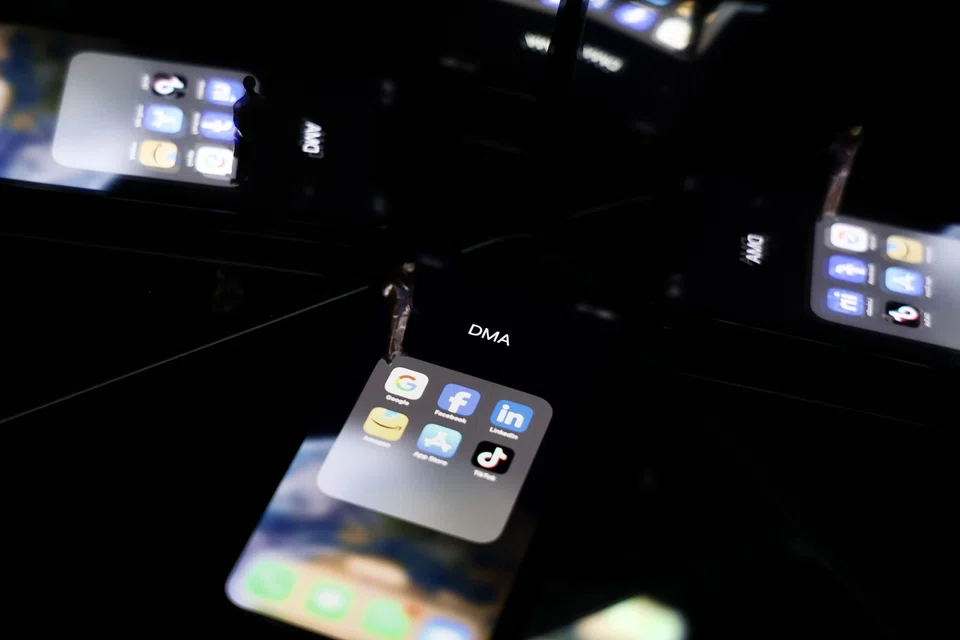
THESE days, where one country ends and the other begins is a largely settled matter, but the Internet’s boundaries remain fair game. Even as governments increasingly erect walls around digital content, Internet users themselves are voluntarily withdrawing into smaller and more fragmented spaces.
Last year, young users spent a global average of 112 minutes a day on TikTok. Yet if governments everywhere took a cue from the United States or India and made their shores inhospitable to TikTok, all this newly freed-up time would be unlikely to accrue to centralised social media platforms such as Facebook and Twitter (now known as X).
Instead, those 112 minutes would likely be atomised down the myriad maws of other kinds of platforms such as Instagram, Snapchat, Reddit and Discord.
To older users, this latter group of apps might be indistinguishable from its predecessors of the early 2000s, but the differences are tangible and significant.
For one thing, conversations on these newer platforms are decentralised. Users on Discord can cordon off spaces for a specific group of friends or enthusiasts of a niche interest.
With decentralisation, curation of your audience becomes possible – and with that, so does the shorthand that oils the wheels of discourse. On a Discord server dedicated to Bitcoin, for example, memes and exhortations to “hodl” through price slumps can be used with abandon for your intended audience, without baffling your great-aunt on Facebook.
The type of space you’re in determines how safe it is, too. The more defined the space, the more established its rules, and the safer it tends to be for the people who adhere to those rules. On Reddit, making an identical post in two different subreddits gets you wildly differing responses, as anyone who has posted something in r/LifeProTips that was meant for r/UnethicalLifeProTips has found out.
Medium makes meaning, ultimately, and we spend every technology cycle learning this fact anew. When we survey the long arc of the social-media era, it is broadcast-type platforms such as X that will seem baffling in hindsight. Cramming readers of The New Yorker into the same digital town square as neo-Nazis makes as much sense as herding churchgoers into a ketamine rave. And yet, for two decades, we’ve done just that, exposing ourselves to the horror of strangers’ and acquaintances’ innermost thoughts and getting absurdly angry when they don’t reflect our own.
To mangle a Nietzsche quote, we spent the days of centralised social media enjoying the novelty of shouting into the abyss of Facebook and Twitter. But we have shouted into it so loudly and for so long that it has begun to shout back. Little wonder then that we now seek respite from the brutish open-combat space of broadcast-style platforms.
In any case, the challenge for niche and upstart spaces lies in staying niche and upstart. Already, platforms such as the retail-centric Instagram are looking long in the tooth, with users deriding it as being more Home Shopping Network than social media.
The digital space might be in perpetual flux, but commercial pressures can be reliably counted upon to mutate once-beloved apps into unrecognisable and compromised versions of themselves. If only US lawmakers had the luxury of waiting – they’d be able to let time do to TikTok what they’re now trying to do with legislation.






