

South-east Asia could lose some appeal as political risks resurface
SOUTH-EAST Asia has been the focus of investors’ attention in Asia as they seek manufacturing alternatives to China during the pandemic years. The free-trade area of Asean, as well as the bloc’s centrality in various mega-regional free trade agreements, has helped to smooth supply-chain linkages when China was shut. Yet while the region will remain attractive, it could lose some of its appeal in 2023 as political risks resurface.
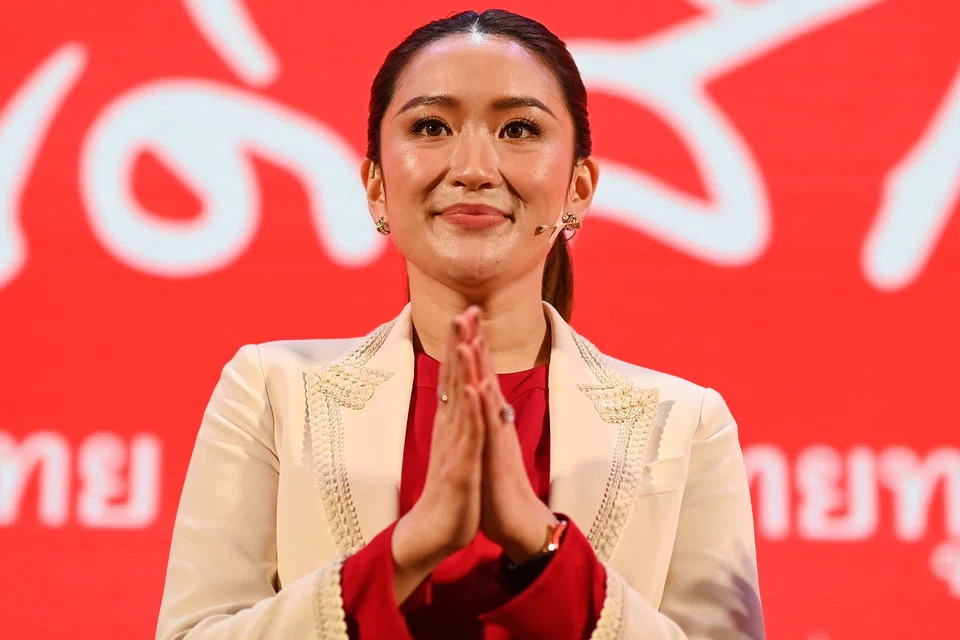
Thailand is due to hold an unpredictable general election by May. Splits within the ruling military-aligned political bloc are giving opposition forces loyal to exiled former prime minister, Thaksin Shinawatra, an opportunity to return. Paetongtarn Shinawatra, Thaksin’s 36-year-old daughter, has declared her readiness to run for prime minister, following the footsteps of her father and aunt, Yingluck Shinawatra. She will head the Pheu Thai Party, the largest party in Thailand’s parliament and the avatar of the populist Thai Rak Thai party that her father, a billionaire telecoms mogul, rode to victory in 2001. A recent survey conducted by the National Institute of Development Administration found she was Thailand’s top choice as the country’s next leader.
In Malaysia, the political instability that has come to characterise the country may see some respite with Anwar Ibrahim sworn in as its fourth leader in the space of just four years. But there is much repair work to be done. The constant changing of the guard, coupled with the coronavirus pandemic, not only affected Malaysia’s economy greatly but also slowed down its pace of progress with neighbours, including Singapore.
Indonesia will enter a more volatile period as campaigning begins ahead of the 2024 elections and the influence of the capable departing president, Joko Widodo, tapers. Joko – who is enjoying a record high approval rating – is constitutionally barred from seeking a third term, and speculation is rife over who will replace him.
Higher political risk in South-east Asia will present India with an opportunity to capture more attention from global manufacturers. The dominance of the ruling Bharatiya Janata Party carries its own political risks. But from an investor’s perspective, it also offers policy continuity, meaning there is little chance of a change in administration.
India has an obvious advantage in its large and youthful labour market, while there has been incremental progress in addressing weaknesses in terms of transport infrastructure, taxes and trade regulation. The country has risen to 52nd in the Economist Intelligence Unit’s global business environment rankings, from 62nd five years earlier, and now ranks above China.
Developments on the ground appear to support this view. Investment has accelerated in the electronics sector – an industry that India has previously struggled to cultivate – aided by government support provided under the so-called production-linked incentive scheme. The country’s electronics exports rose by around 50 per cent to US$14 billion in 2021 and have already matched that value over the first nine months of 2022. Taiwan’s Foxconn is among the Apple suppliers planning a significant expansion in India, as it seeks to diversify its manufacturing capacity beyond China.
In 2023, India’s presidency of the G20, as well as the probable conclusion of bilateral trade agreement negotiations with Australia and the United Kingdom, should further help to highlight investment opportunities in the country – while its South-east Asian neighbours grapple with new challenges.
TRENDING NOW

OCBC customers face difficulties accessing online, mobile banking services

SGX CEO Loh Boon Chye to step down; succession planning under way

Waymo founder predicts ‘landslide’ robotaxi adoption in Singapore, driven by high car costs

Vietnam’s northern provinces, not Hanoi or Ho Chi Minh City, are powering near 10% GDP growth

