

SpaceX and other giga-listings could raise indices’ risks
Retail investors would do well to note that an IPO is mainly an exit avenue for insiders, who will profit handsomely

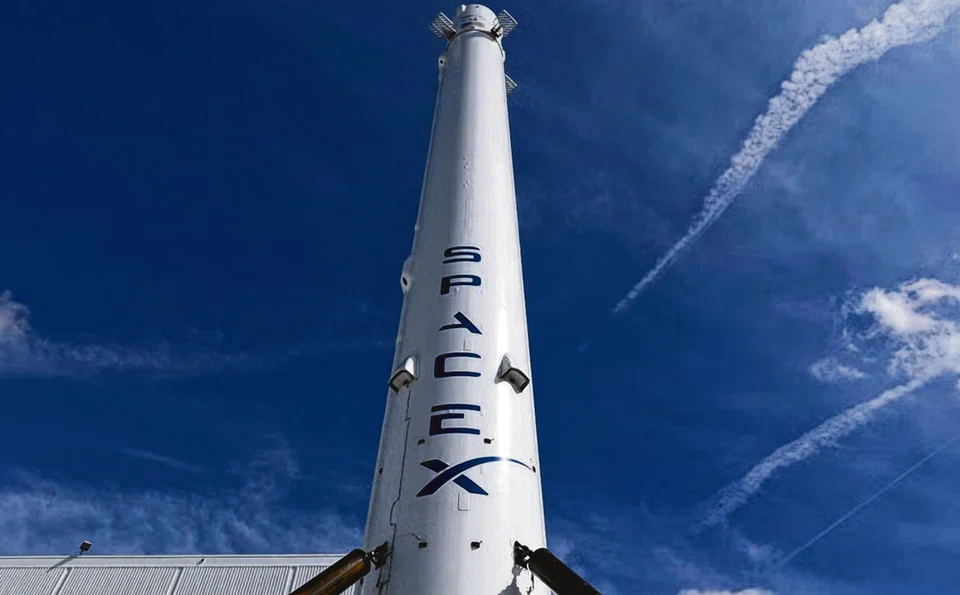
AN ERA of outsized listings is at hand. SpaceX, the rocket, satellite and artificial intelligence brainchild of Elon Musk, goes public on Friday (Jun 12).
It has been “well oversubscribed”, as reported by Bloomberg. Priced at US$135 per share, its initial offer of 555.6 million shares, with around 30 per cent reserved for retail investors, will raise US$75 billion and value it at US$1.8 trillion.
Also headed for initial public offerings are OpenAI, famed for ChatGPT, and Anthropic, known for its chatbot Claude. Recent funding rounds for both have taken their valuations close to US$1 trillion each.
All three are unprofitable, although Anthropic may well turn an operating profit soon. In any case, profits don’t seem to matter. Thanks to expansive visions and investors’ fear of missing out, appetite for AI-themed investments is soaring.
That’s despite inflation headwinds and the strong recent US jobs data, which have raised the probability of at least one rate hike this year. The US bond market is also flashing red. In theory, the relative shine of equities should begin to pale when US 10-year Treasury yields rise to 4.55 per cent.
Even so, indices are rushing to accommodate the massive debuts through new fast-entry rules. Historically, new listings were required to be listed for six to 12 months before they were considered for index inclusion.
FTSE Russell has shortened this to five trading days for potentially large index constituents, and Nasdaq to 15 trading days.
MSCI has said that it will apply its existing entry rules for its Global Investable Market Indexes, which include the widely followed MSCI World and MSCI All Country World indexes. Based on the rules in place since 2007, large IPOs can be fast-tracked after 10 trading days, even with a free-float lower than 15 per cent.
S&P Dow Jones Indices is holding out. It has decided to maintain its existing “seasoning” rule of 12 months of listing and strict profitability requirements.
Some retail investors will applaud the inclusion of such giga-listings in indices. Access is suddenly easy and at relatively low cost via passive index funds.
What happens next
The initial impact in the early days of listing is likely modest. SpaceX’s IPO comprises less than 5 per cent of its value. Its initial weight in the MSCI World Index is expected to be modest at 0.2 per cent, and in the Nasdaq 100, at around 0.5 per cent.
The key is what happens after the lock-up period, typically 180 days after debut. SpaceX has instituted a staggered lifting of the lock-up, with Musk himself and other “significant” backers committing to a 366-day restriction.
Over time, as SpaceX’s free-float rises, so will its share in indices. Passive index-tracking funds and even active funds will be forced to buy. Concentration risk, already a big concern, will rise. But so will valuation risks as limited liquidity and enforced buying combine to drive up the share price.
The big question is whether SpaceX’s shares can sustain its lofty IPO price over the longer term. Morningstar analyst Nicolas Owens has valued the stock at US$63, a 53 per cent discount to the IPO price.
The truth is despite intriguing “moonshot” ambitions, SpaceX and other such listings pose massive valuation and liquidity risks to indices. Retail investors would do well to note that an IPO is mainly an exit avenue for insiders, who will profit handsomely. Retail investors are unlikely to fare as well.
TRENDING NOW

DBS, OCBC, UOB rout lops billions off STI as inflation, rate concerns spook investors

Grab CEO’s wife Chloe Tong on life with Anthony Tan and finding her purpose

OCBC sheds S$8 billion in value as shares close nearly 6% down; analysts cautious on banks

Deal between tycoon friends sparks scrutiny of Philippine power sector

