Interests of OCBC and Great Eastern’s minority shareholders are fundamentally misaligned
The insurer should address the matter of its top executives receiving a significant proportion of their remuneration in OCBC shares

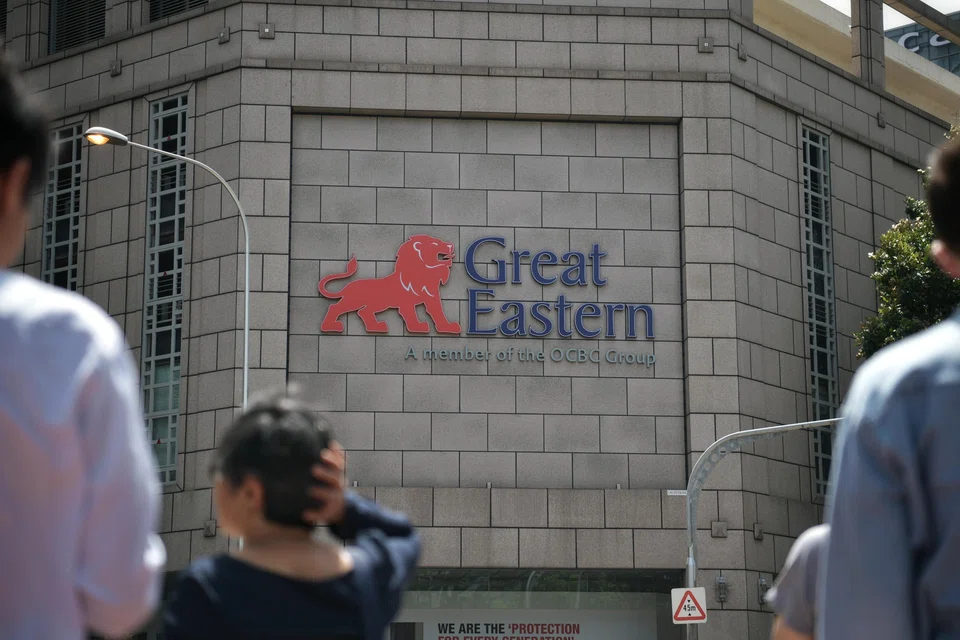
A QUESTION was raised at OCBC’s annual general meeting (AGM) this past week about how the group’s 88.4 per cent stake in Great Eastern may have contributed to the low trading liquidity and weak market value of the insurer’s shares.
OCBC’s chairman Andrew Lee responded by noting that Great Eastern’s public float has been low for a long time. He added: “OCBC is not in the business of providing liquidity for another company.”
Lee went on to reiterate the importance of Great Eastern to OCBC. He referred to the insurer as a “strategic pillar” that OCBC is building on, and said collaboration across the group has increased.
What do OCBC and its shareholders get out of all this? “The increase of dividends from Great Eastern … is reflected in the payout of our dividends and our share price,” Lee said.
“We have no direct interest in stimulating Great Eastern’s liquidity or share price,” he added.
For me, these comments by OCBC’s chairman plainly summed up why Great Eastern’s shares – which closed Friday (May 3) at S$18.30 – are trading at a steep discount to the insurer’s embedded value as at Dec 31 of S$36.59 per share.
There is a fundamental misalignment of interest between Great Eastern’s controlling shareholder and minority investors. While minority investors see value in Great Eastern’s shares, OCBC has no incentive to take any action to boost the insurer’s share price.
On the face of it, this is bad news for the minority shareholders of Great Eastern who have been campaigning to unlock value at the insurer. Led by a former remisier named Ong Chin Woo, these activist shareholders tried and failed to put forward three resolutions at Great Eastern’s recent AGM to address its weak share price.
With Great Eastern’s controlling shareholder now firmly stating that it will do nothing to help their cause, is the game over?
OCBC’s trailing ROE
My own observation is that the dissident minority shareholders of Great Eastern have not given up; and that they understood from the outset that OCBC would not easily consent to value unlocking initiatives at its insurance arm.
OCBC’s clear statement last week that it will do nothing directly to boost the market value of Great Eastern’s shares may have been exactly the reaction the activist minorities wanted to elicit.
In the months ahead, it seems likely to me that they will continue challenging OCBC’s narrative about the ownership of a large stake in Great Eastern being crucial to its own performance. This could mobilise OCBC’s own shareholders to begin agitating for change too.
OCBC casts itself as a venerable financial conglomerate, with Great Eastern as one of its many parts. Yet, it has the lowest return on equity (ROE) among the three local banks.
OCBC reported an ROE of 13.7 per cent for 2023, trailing DBS’ 18 per cent and UOB’s 14.2 per cent.
The debate on whether OCBC needs to restructure itself, and how it should go about doing so, may draw wide interest among institutional investors.
OCBC has a more than 15.4 per cent weighting in the MSCI Singapore index, while the three Singapore banks have a combined weighting of more than 50.3 per cent.
Three options for OCBC
What exactly could OCBC do to address the undervaluation of Great Eastern’s shares in the market? There are three options, in my view, each with their pros and cons.
One is for Great Eastern to be sold. This seems most unlikely to me, given how strongly OCBC has made the case for holding a major stake in the insurer over the last two decades.
The interests of Great Eastern’s controlling shareholder and its minorities would be completely aligned in the event of a sale, though – they would all want to maximise the sale price.
Another option would be for OCBC to distribute a major portion of its stake in Great Eastern to its own shareholders. If OCBC were to retain a 20 per cent stake in the insurer and distribute the balance, its shareholders would receive roughly 70 Great Eastern shares for every 1,000 OCBC shares they hold.
This would enable OCBC to keep Great Eastern in its fold, while significantly improving the insurer’s public float.
One uncertainty, however, is how high a market valuation Great Eastern’s shares would garner with the increased public float. It is also likely that many small shareholders of OCBC will be left holding odd lots of Great Eastern shares.
The third option would be for OCBC to try once again to purchase all the shares it does not already own in Great Eastern. This would provide OCBC with full ownership of its insurance business, and remove minority shareholders of Great Eastern from the picture.
The drawback here is that the very low market valuation of Great Eastern’s shares currently would make it tricky to set an offer price that would be acceptable to Great Eastern’s minority shareholders as well as fair to shareholders of OCBC.
Remuneration policy gripes
This brings me to the matter of Great Eastern’s top executives receiving a portion of their remuneration in the form of OCBC shares rather than Great Eastern shares.
The board of Great Eastern ought to realise that this much-criticised practice has become a stick that minority shareholders will beat them with whenever they are unhappy about something.
Instead of defending themselves from these beatings by reciting group spirit-fostering reasons for the remuneration policy, Great Eastern’s board and management ought to take that stick away from minority shareholders by purchasing some shares in the public-listed company they run.
Great Eastern’s chairman and chief executive could immediately pledge that they will each invest a significant proportion – say, one-third – of their total remuneration every year in Great Eastern shares.
This will not fix the misalignment of interest between Great Eastern’s controlling shareholder and its minority investors, of course. But it would put the individuals at the helm of Great Eastern in a stronger moral position as they engage with minority shareholders.
It would also provide some assurance to the market that Great Eastern’s board and top management are incentivised to grow its business and increase its market value for the benefit of all its shareholders.
The writer owns shares in Great Eastern and OCBC.