A straddling act
How I took off my academic robes and transitioned into a new way of life
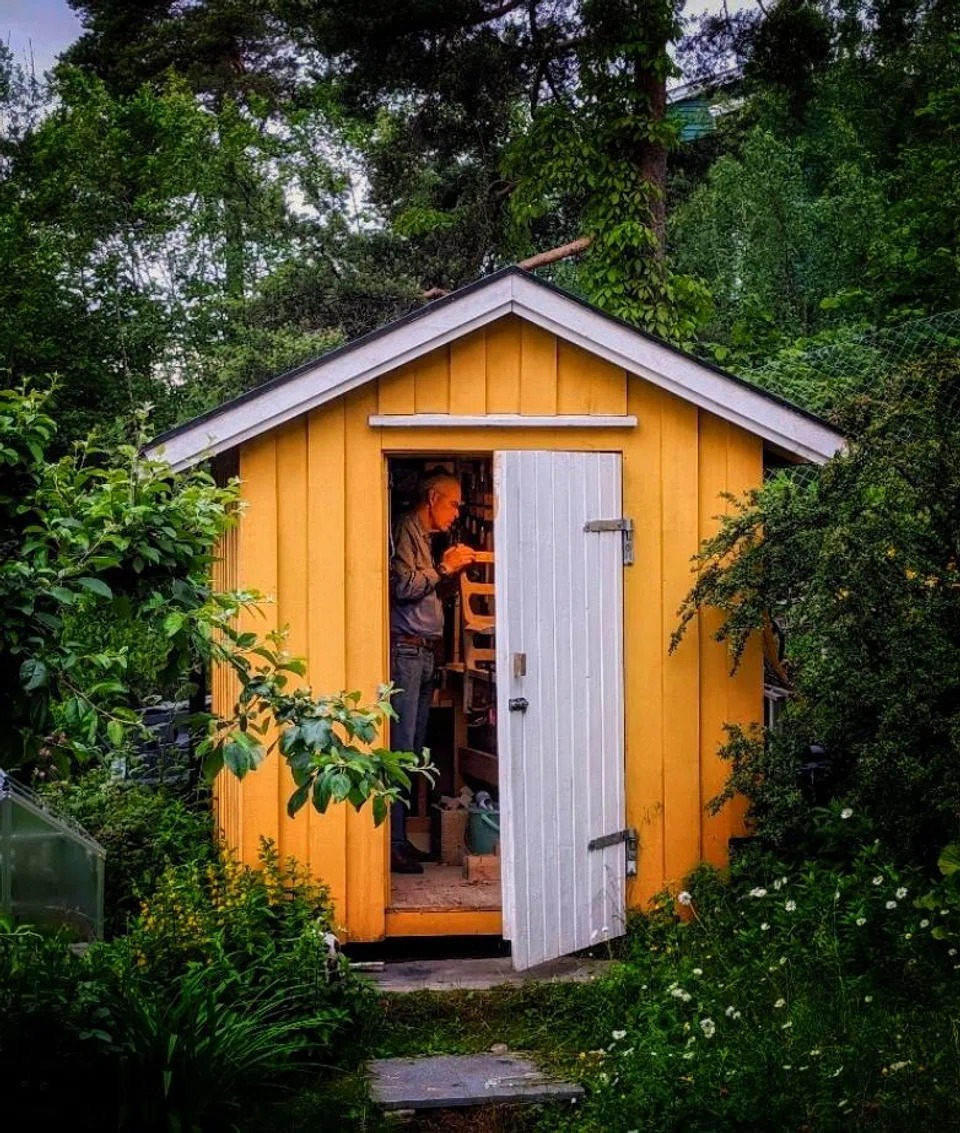
FROM sitting deeply behind the ivy-covered walls of the intellectual world, I have transitioned to having occasional brushes with academia, and increasingly exploring woodworking and working for the environment.
In 2020, I was a chaired professor at Nanyang Technological University (NTU). My life included teaching very clever students, in addition to doing research and writing academic articles.
I was the editor of two journals and sat on committees that, among other things, directed grant money in Singapore and determined the career paths of colleagues.
Being an academic is a way of life; it is an identity. As graduate students, we were taught that we needed to, in a sense, always be at our work. Indeed, a PhD is a personal title, not a job description – just as many dimensions of being a professor are personal.
If I am allowed a boast, I did well at my work. I enjoyed teaching my students. Using a common academic metric, other academics still cite the ideas in my work more than 1,800 times a year. It is not uncommon for active academics to be cited by others about 100 times a year. Retirement meant major changes.
Life back in Oslo
In the spring of 2021, I retired and moved back to my home in Oslo, Norway. (I am originally from the US, but I am married to a Norwegian, and I have been living here since 1989.)
During my first years of retirement, I slowly took off my academic robes and transitioned out of the way of life I’ve known for decades.
To be honest, I saw it coming. During my final years at NTU, I started cultivating (and deferring to) younger colleagues whose career paths were ascending.
I also started seeking out other activities. One of the most fulfilling was the woodworking classes at Tombalek, a teaching workspace in Mandai. I have always liked woodwork, but the people at Tombalek helped me to level up.


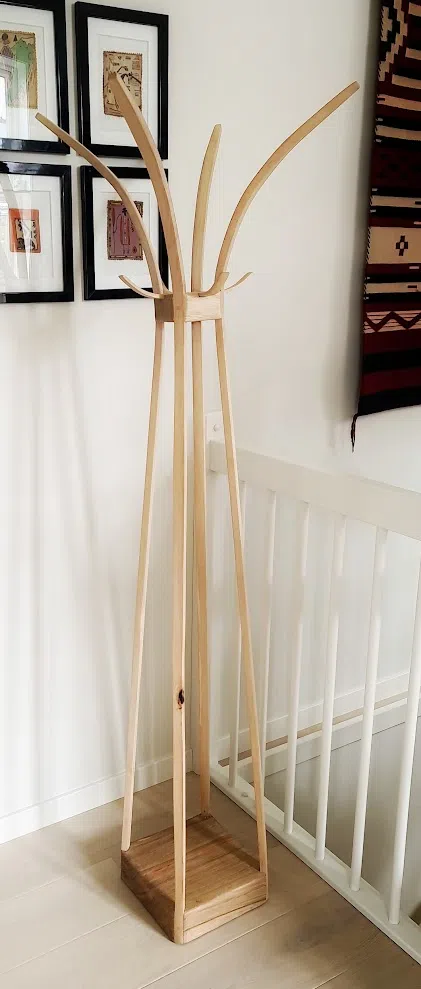
Instead of hacking through a project, I learnt to think through how a chair, table or hat stand would come together. The mental dimension of woodworking – the planning and the conceptualisation – is somewhat like that of developing an academic article.
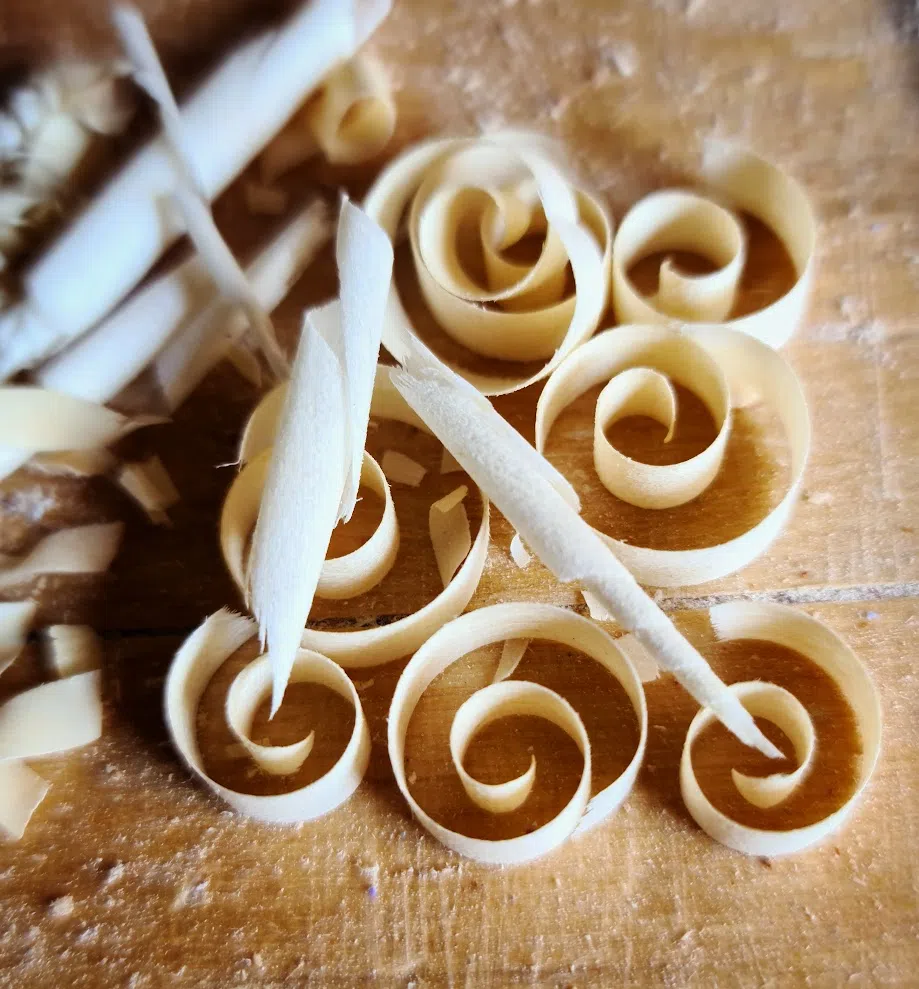
In both cases, one needs to think through the process. One needs to plan, adjust and refine the article as it moves through development. Similarly, one needs a fairly clear idea of the desired output.
Then there is the rough forming of the concept as it takes shape, and the transition to polishing the piece. Finally, there is the fussiness over the details that may or may not completely come together.
Woodworking and making furniture
Moving back to Oslo, I was able to establish a very small (only about 3 square metres!) woodworking shop. I bought the hand tools I needed and started to make chairs, tables, cabinets, small boxes and a variety of other items.
Freed from the academic lifestyle, I could go out to the shop and enjoy the flow and frustration of fitting a joint, planing some wood, rasping an edge and making piles of sawdust all the while.
About a year ago, I was walking through a more artsy section of Oslo called Grunerlokka. It is an area with a lot more variety than in the posher, buttoned-down parts. I needed someone to sew the cushions for a chair I was making, and I chanced across a shop run by Eddy King, an older fellow from Trinidad.
As it turns out, Eddy was also on the lookout for a furniture carpenter, someone who can fix a wobbly ottoman leg and lace a rattan chair seat. The long and the short of it is that I landed a “job” as an occasional furniture carpenter.
Working for the environment
I read that an important part of getting older is being social and engaging in physical as well as mental activity. The woodworking and occasional academic work check off some boxes. Working for the environment has a wider societal impact, and it has also checked off the “social” box.
I have become a member of Grandparents for Climate (“Besteforeldrenes klima aksjonen” in Norwegian) and was recently elected as the head of the Oslo group.
There are about 10,000 members across Norway and sister organisations across Europe. A somewhat similar sentiment is expressed in Singapore Minister for Sustainability and the Environment Grace Fu’s 2021 speech titled “Pledge to Our Children and Future Generation”.
Every Friday, the ministers of the Norwegian government meet with the King at the Royal Palace. As they drive by, on their way to the meeting, about 20 or 30 Grandparents for Climate hold up our banners and shout “Stans all oljeleting, barnas klima er var sak!” (Stop searching for oil, children’s climate, our concern).
On occasion, some ministers have stopped and chatted with us a bit. They seem to appreciate our commitment. Hopefully, we are also moving the needle on saving the climate.
It is great to be in touch with other oldsters who value the environment. We get to chat with tourists who visit the palace, and we wave to groups of school children. One time, about 40 Chinese tourists “joined” our group and took dozens of selfies as mementos of their trip to Oslo.
The title of this series is “Switching Lanes”. I have the feeling that I have straddled the lanes. I still do some academic stuff, albeit less and less. At the same time, I have been lucky to embrace another career, and I have found new friends who share my commitment to the environment.
All of this keeps my brain (and body) active. I have met new and interesting people, and it is indeed a new “way of life”.
The writer, the former Shaw Foundation professor of media technology at NTU, is a retiree, grandparent, quasi-professional furniture carpenter, sporadic academic and environmental activist
Decoding Asia newsletter: your guide to navigating Asia in a new global order. Sign up here to get Decoding Asia newsletter. Delivered to your inbox. Free.
Share with us your feedback on BT's products and services