The Stranger Things finale is the escapism we need
As we head into a new year, the spirit of cooperation feels especially necessary
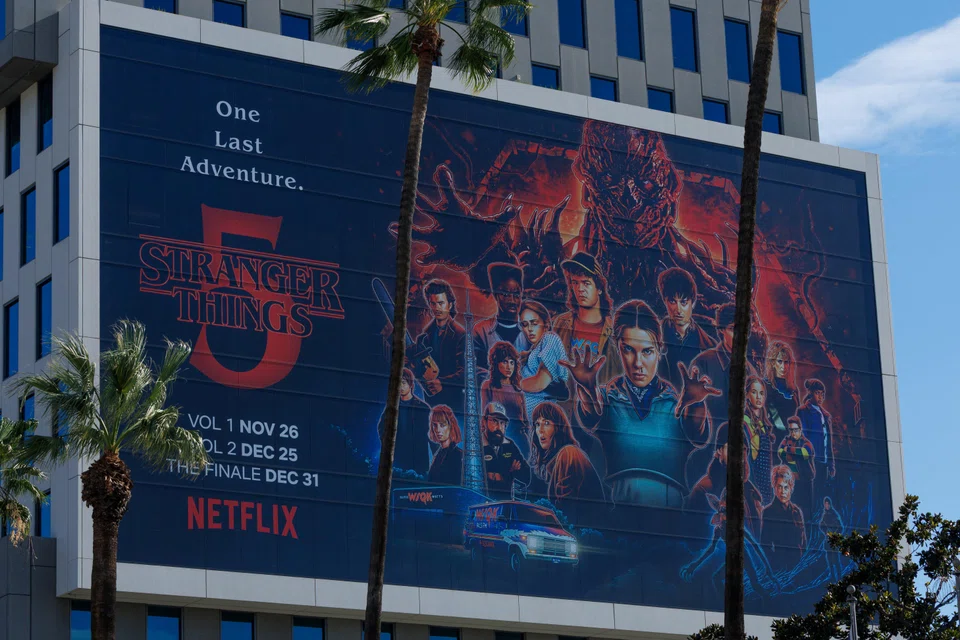
AS PASSIONATE fans watch Netflix’s two-hour Stranger Things series finale, what happens in Hawkins is only part of the story.
The roll-out of the fifth and final season of the sci-fi hit is just as notable. Netflix split the last adventure into the Upside Down into three holiday drops: Volume 1 at Thanksgiving, Volume 2 at Christmas, and the finale on New Year’s Eve.
The timing isn’t random. It lands on rare nights when friends and family are likely already together, helping Netflix capture the one valuable thing the streaming era can’t guarantee: everyone watching the same thing at once.
At a time when many things are dividing us, it’s reassuring to know that TV can still offer a rare kind of unified escapism. Communal viewing won’t solve polarisation, of course, but it does offer a small point of connection: the same plot twists, memes and “wait, did you see that?” moments popping up in group chats, on feeds and around dinner tables.
The social benefit of millions of people tuning in to the same show at once is a nice bonus, but the financial stakes appear to be the primary driver of the strategy. Puck News reported that the budget for Season 5 alone is estimated to be as high as US$50 million to US$60 million an episode – and close to half a billion dollars in total.
That’s about 10 times the cost of the first season. At that price, the company couldn’t just release the ending and hope people “get to it”. Netflix had to make the last season feel like an unmissable event to justify the investment.
Audience reactions show that the approach is paying off. So many viewers tuned in when Volume 1 dropped that the streamer briefly crashed – and the debut week drew 8.46 billion viewing minutes. The four-episode block set a new record, beating the show’s Season 4 record by more than a billion minutes.
The theatrical element for the final episode is the most visible extension of the strategy. More than a million fans have reportedly sold out 3,500 screenings across 620 theatres.
Synchronised attention like this is increasingly rare in an on-demand landscape built for private, watch-at-your-own-pace binges. But it’s not impossible to achieve.
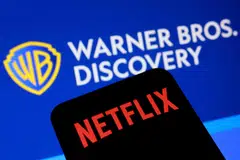
The Stranger Things release schedule is the latest example of how streamers can engineer a shared moment. It revives the old event-TV playbook in a new reality in which communal viewing has to be built, not simply left to chance.
There will no doubt be attempts to replicate the Stranger Things roll-out model. Hollywood is obsessed with recreating success from what it considers a proven blueprint, after all.
As the industry heads into a new year shaped by post-strike contraction, continued layoffs, consolidation-driven restructures and artificial intelligence disruption, the instinct to chase whatever has already worked will only intensify.
But the lesson here shouldn’t be “copy the concept” or “copy the roll-out”. The most important takeaway for Hollywood executives should be that the industry can’t “eventise” its way to the next phenomenon if it stops funding the kinds of original swings that create one in the first place.
It’s easy to forget now, but Stranger Things began as a real creative bet a decade ago. Along with the show’s unusual plot, the central cast at the beginning was mostly made up of unknown kids. Winona Ryder and Matthew Modine were the most high-profile actors involved in the first season.
In a 2016 interview with Rolling Stone, the show’s creators, Matt and Ross Duffer, said the project was rejected more than 15 times by various networks before Netflix took it on. What made Stranger Things click as a story is just as instructive as the fact that it was repeatedly rejected. For starters, it arrived with a rare kind of multi-generational pull. Gen Xers could appreciate the ‘80s nostalgia and the faithful portrayal of life during that decade, fantastical elements notwithstanding.
This is the kind of show they would have loyally watched back in the day had the budgets and technology been more advanced. Millennials and Gen Zers got caught up in the characters, stories and effects, and the representation of Vecna and the Upside Down tapped into the anxieties of a modern world where up feels like down and truth feels like fiction.
The Duffer Brothers also took us back to a time before smartphones and the Internet controlled our lives. It was a time when kids rode their bikes everywhere and families ate dinner together. And while people were much more naive about politics and social issues, there seemed to be greater optimism about the future.
More importantly, no matter how contentious the characters’ relationships get, they work together. Will there be another show like this soon? Let’s hope so. Studios control more than slates, budgets and artist selections; they help set the tone of what feels possible in the world.
As we head into 2026, this spirit of cooperation feels especially necessary. BLOOMBERG
Decoding Asia newsletter: your guide to navigating Asia in a new global order. Sign up here to get Decoding Asia newsletter. Delivered to your inbox. Free.
Share with us your feedback on BT's products and services