

The strategic imperative around carbon management
What business leaders need to know about measuring, reducing and mitigating their organisations’ greenhouse gas emissions
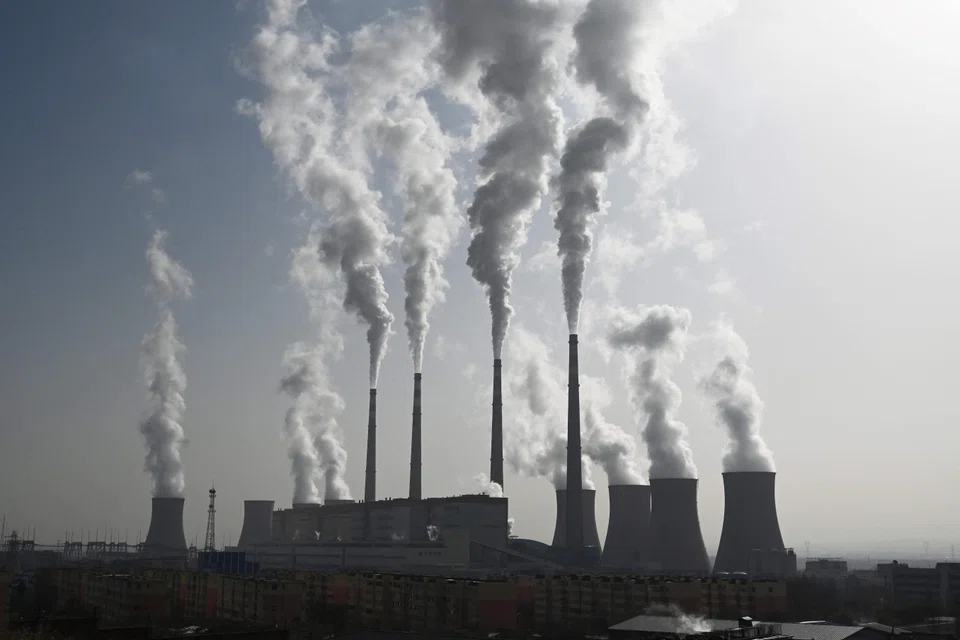
CARBON management has become a core business priority in Singapore. The reporting of carbon emissions is driven by new local regulations for listed companies and large non-listed companies. More importantly, it is critical for other companies, including the smaller ones, to provide emissions information as part of their business dealings with the affected companies.
Emerging requirement
The current global standards for sustainability and climate reporting are issued by the International Sustainability Standards Board (ISSB). These are the IFRS S1 General Requirements for Disclosure of Sustainability-related Financial Information and the IFRS S2 Climate-related Disclosures.
In particular for carbon management, the coverage will be comprehensive involving all three “scopes” of carbon emissions. Scope 1 emissions are those emanating from the company’s operations while Scope 2 emissions pertain to sources from purchased energy. The Scope 3 emissions implicate the entire value chain, particularly suppliers and customers.
TRENDING NOW

Grab CEO’s wife Chloe Tong on life with Anthony Tan and finding her purpose

Hwa Seng Builder, two China companies win S$1.2 billion Tuas Road Viaduct phase two contracts

Deal between tycoon friends sparks scrutiny of Philippine power sector

Canada is upping oil flows to Asia, but South-east Asia’s refineries aren’t ready to handle them yet

