Subsidies, grants for public housing may be fuelling higher home prices
Generous subsidies support home ownership, but spending can be channelled into other pressing fiscal needs

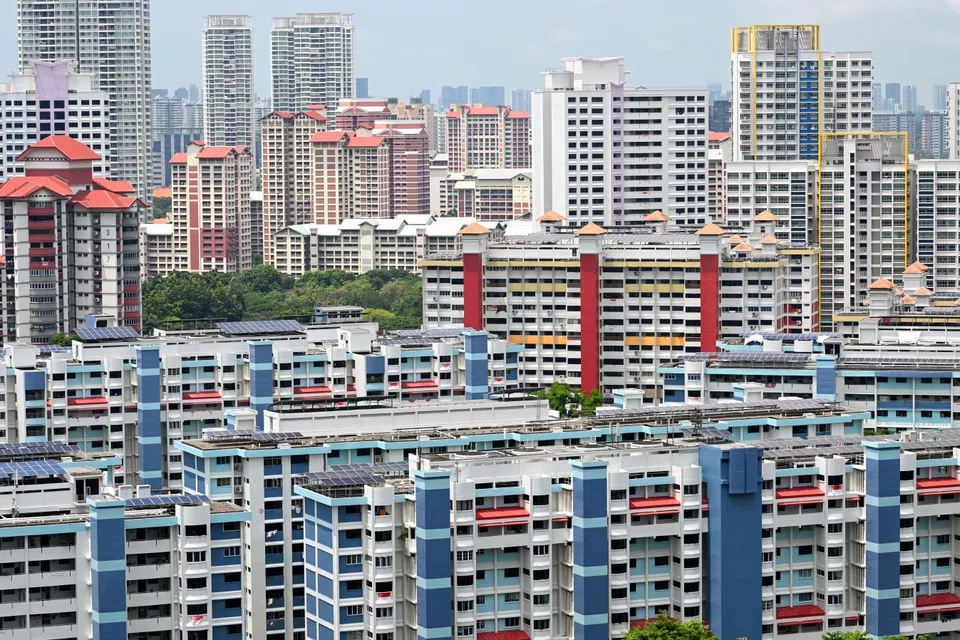
DESPITE some homes in Singapore fetching astronomical prices, the home-ownership rate among residents is high.
A key factor behind high home ownership is the availability of affordably priced new Housing and Development Board or HDB homes, thanks to generous subsidies.
For example, a new Build-To-Order (BTO) four-room 99-year leasehold HDB flat might be priced at 30 to 40 per cent below older comparable resale flats nearby with shorter land lease outstanding. Furthermore, many BTO flat buyers receive housing grants.
Even in the HDB resale market, where prices are largely determined by market forces, some flat buyers receive grants. The CPF housing grant for an eligible first-timer local couple buying an HDB resale four-room flat or smaller rose from S$50,000 to S$80,000 last year.
Doubtless, people may like receiving subsidies and grants. Arguably, there is sound rationale to increase financial aid to mitigate inflation in order to help people meet a key need such as housing.
Nonetheless, the government should consider going slow on raising and possibly even trimming subsidies and grants related to owning homes. Spending can possibly be channelled from housing aid to healthcare, education or security.
Fuelling house price inflation
First, in many instances, profit made from reselling subsidised BTO flats flows largely into the hands of private housing developers.
Take a couple who sells their BTO home after the minimum occupation period and buys a new condominium unit. The windfall gain the couple gets from selling their BTO home helps them finance their new home buy.
In the above case, much of the windfall gain becomes revenue and profit for the developer behind the new condominium project. And the property agent who sold the new home gets some of the proceeds from the said transaction.
If the size of gains from selling BTO homes shrinks because such homes were bought with smaller subsidies in the first place, there may conceivably be softer demand for, or a squeeze in, the pricing of new condominiums.
Moreover, larger grants for eligible HDB resale flat buyers might fuel inflation of resale flat prices. And the proceeds from selling higher-priced HDB resale flats could get recycled into paying for new condominium homes.
Flash data released by the HDB showed that the HDB’s Resale Price Index rose by 2.1 per cent in Q2, marking the fastest quarterly rise since 2022.
Second, when buying an HDB BTO home is seen as a ticket to prosperity, there may be over-consumption of homes.
A young couple who is eligible to buy a BTO home might be fine living with their parents in the latter’s home. However, it would be a waste for the said couple not to buy a BTO flat, as they would forgo the chance to make a large gain from selling their home subsequently.
Likewise, a local single aged 35 years and above who is happily living with parents or other family members may be driven by the profit motive to buy his own BTO flat if he can buy such a home.
Indeed, the number of multi-generational households could decline as more younger adults buy their own BTO homes.
Some young local couples might also opt to buy bigger BTO flats even if they do not plan to have kids, because they can make a larger profit from selling their homes subsequently.
In the latest BTO exercise, the application rate among first-timer families for three-room, four-room and five-room flats at Chencharu Hills in Yishun was 1.7 times, 2.1 times and 2.5 times, respectively.
With housing demand propped up by profit-motivated BTO flat buyers, more resources need to be channelled to build more or larger-sized new HDB homes. While building homes adds to the economy, such activities could harm the environment.
Renting instead of buying
Third, linking generous subsidies and grants to home ownership might heavily tilt the balance in favour of buying versus renting a home.
Sure, home ownership helps anchor Singaporeans to home and gives people a direct stake in the country’s prosperity. Still, home renting could increasingly suit evolving lifestyle needs.
Going forward, more young locals may want to work abroad in, say, neighbouring countries to capture growth opportunities in South-east Asia. Some working adults may also prefer having fewer long-term financial commitments such as a home loan, so they can better cope with the potentially rapid pace of workplace disruptions.
If locals are generally tied down to servicing multi-year home loans, they might be averse to taking risks in chasing entrepreneurial dreams.
Further, as the population ages, some active retirees may prefer not owning a home here as they spend much of their retirement years abroad where they can enjoy lower cost of living and new experiences.
Certainly, helping people become homeowners through providing generous aid helps people build wealth. Such assistance can be especially useful for lower-income households.
Creating wealth via home ownership in turn enables many people to achieve financial adequacy in their retirement years as they can monetise their owner-occupied home. Also, people often derive much pride and a sense of security from home ownership.
Nonetheless, the costs associated with subsidising the building of new HDB homes and providing grants to home buyers are huge. Can expectations among some people of ever higher subsidies and grants be met?
Sure, reducing dependence on subsidies and grants will make it harder for many people to own their homes. However, this can possibly be tackled by doing even more to lift wages and improve the employment prospects of locals.
Moreover, strengthening various social safety nets for locals can usefully mitigate the effects of lower housing-related aid.
Compared with many major cities, Singapore has done well on the housing front. And reducing people’s reliance on subsidies and grants in their home-ownership journeys could be politically challenging.
However, with numerous pressing fiscal needs, it would be wise to be extremely vigilant on providing subsidies and grants for home ownership, especially as giving such aid might help inflate HDB resale and private home prices.