

Tax reforms vs citizen comfort: how Malaysia and Indonesia walk a tightrope
The major Asean economies aim to strengthen fiscal health while easing the burden on citizens, though some public backlash may be inevitable

INDONESIA and Malaysia are emerging as bold reform leaders in Asean, with Indonesia set to selectively raise its value-added tax (VAT) next year and Malaysia revamping its longstanding fuel subsidy system.
Both countries are walking a tightrope between boosting revenues to strengthen resilience and easing the burden on citizens. This is no easy task, especially amid intensifying economic headwinds across South-east Asia, with rising living costs and strained household budgets.
Indonesia’s controversial plan to raise its VAT from 11 per cent to 12 per cent in January 2025, when implemented, will bring the country in line with the Philippines, which currently holds the highest VAT rate in Asean.
The imminent hike under the relatively new leadership of President Prabowo Subianto is strategically targeted at high-end goods and services, leaving everyday essentials exempt to avoid straining the average citizen.
Still, the devil is in the details, and the move could risk sparking discontent if enforcement gaps lead to unintended price increases.
Just this week, Indonesia introduced new incentives to drive consumer spending, such as extended tax breaks for electric vehicles, the property and automotive sectors, and electricity tariff cuts for middle-income households – all aimed at stimulating spending ahead of the planned VAT hike.
The government is also pressing ahead with the VAT hike, despite public outcry that the move is ill-timed amid waning consumer sentiments and an uncertain economic backdrop.
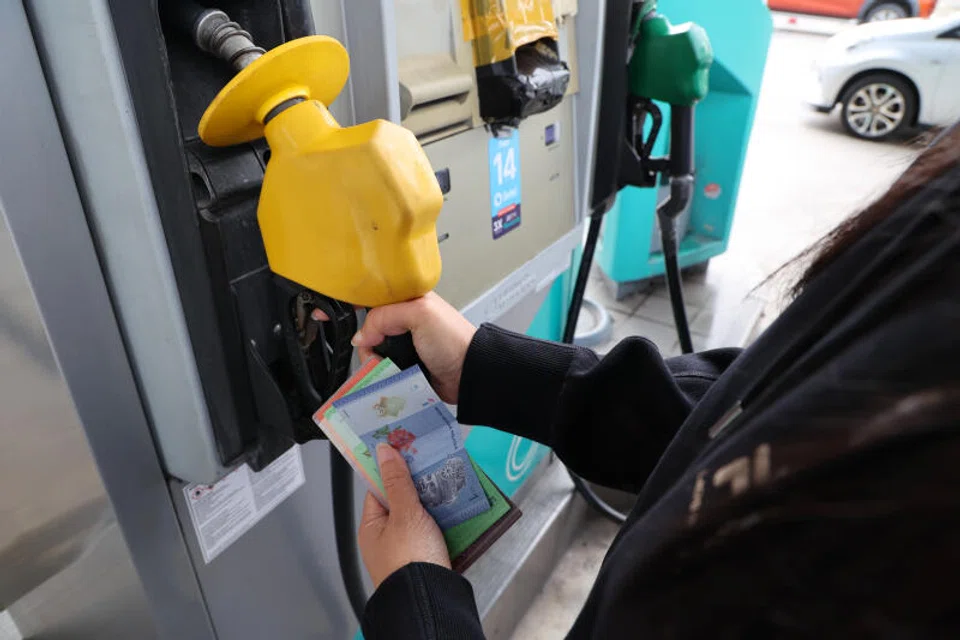
Meanwhile, Malaysia, led by Prime Minister Anwar Ibrahim, is set to roll back its petrol subsidies sometime next year to cut costs and enhance fiscal efficiency. This strikes at the heart of a sensitive issue as fuel is a critical expense for most Malaysians, directly affecting daily living costs from transportation to goods and services.
Political implications
The move, however, is fraught with political implications, as past governments have faced political fallout for attempting fuel subsidy rationalisation.
Decades of blanket fuel subsidies have strained government finances, contributing to a large fiscal deficit. In response, Anwar’s administration is shifting to targeted subsidies, including the removal of diesel subsidies in the middle of this year.
These reforms place a heavy burden on middle and lower-income households, forcing Anwar to navigate a delicate balancing act between fiscal responsibility and the demands of a cost-conscious electorate. The challenge is compounded by operational hurdles, such as outdated income data, which make it harder to effectively target those who need assistance most.
Similar to Prabowo, Anwar faces a challenge that could shape his legacy – whether these policies are viewed as bold fiscal reforms or missteps that will hurt public sentiment. This further underscores the delicate balancing act between fiscal consolidation and social welfare that policymakers must perform.
Public sentiment on tax issues demands political capital, making it essential for the administration to ensure clear communication, fairness and solid enforcement.
Even the best-intentioned reforms can falter if they’re seen as unfair or poorly executed. For both Indonesia and Malaysia, this underscores the need for transparency, active engagement with citizens and learning from the experiences of their neighbours.
Fiscal reform isn’t just about crunching numbers – it’s about building trust. Done right, these measures can lay the foundation for robust, inclusive economies for everyone, now and in the future.
For both Indonesia and Malaysia, the real test is not the policies themselves, but how they are executed and received. Success hinges on their ability to inspire confidence, ensure fairness, and deliver real, lasting results.






