Taylor Swift’s catalogue win is a masterclass in business
Emerging artists, long-established musicians and big bosses in the music industry can take away something from her victory
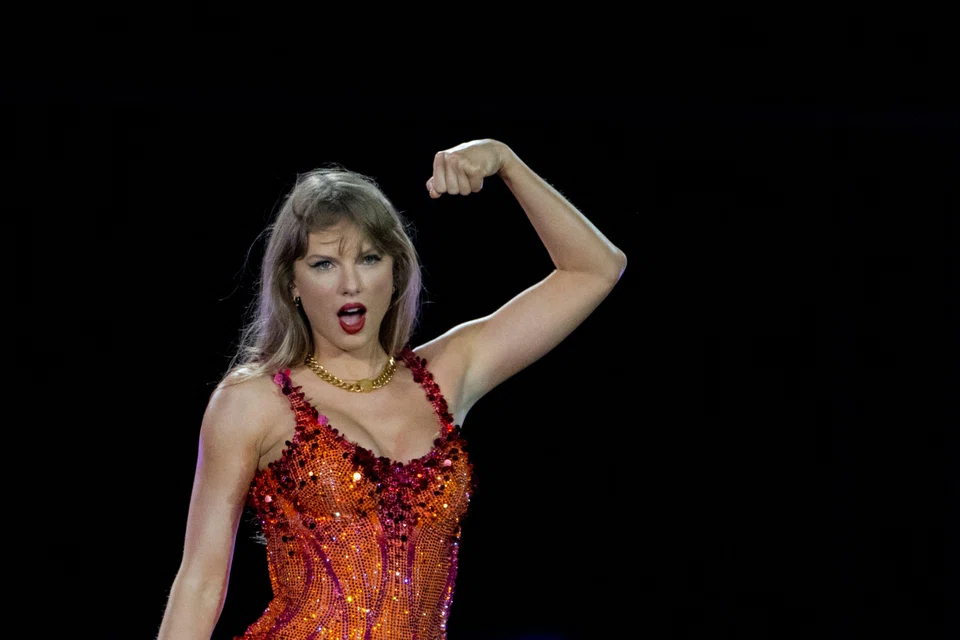
TAYLOR Swift emerged triumphant after a years-long battle over the rights to her earlier music on Friday (May 30). She now has complete control from the songs to packaging to distribution – and no corporate edicts to deal with. That would be enough cause for celebration, but reports say that she bought her catalogue for more than US$300 million. For a Grammy award-winning, multi-platinum international superstar worth US$1.4 billion, that’s pretty much a steal.
This should not be viewed as just a massive financial and artistic win for her. Hopefully, it signals a paradigm shift for other musicians, especially younger ones, and inspires more of them to be business-savvy in an industry that has long banked on them not paying attention to the fine print of fame.
The deck is often stacked against artistes. Swift, despite all her success, was no different.
In late June 2019, over seven months after she departed Big Machine Records for Republic Records/Universal Music Group, Big Machine was sold to music executive Scooter Braun’s Ithaca Holdings. A year and a half later, Braun sold the Big Machine Label Group (including Swift’s first six albums) to private equity firm Shamrock Holdings for about US$300 million. In the first instance, Swift was vocal about the difficult terms she faced to acquire her album masters (record one new album for each previous one to be returned); and in the latter, she was not allowed to bid for them.
Veteran musicians have made headlines in recent years by selling off the rights to catalogues for reportedly hundreds of millions of dollars. These include Paul Simon’s US$250 million songwriting deal; Bob Dylan’s payday of more than US$300 million for his songwriting, plus a separate estimated US$150 million to US$200 million for his masters; and Bruce Springsteen’s US$550 million for his songs and masters. Then there’s Queen, who set a record for their US$1.2 billion songs and masters acquisition by Sony.
Cashing in early
For various reasons, younger hitmakers such as Future, Justin Bieber and Katy Perry have also sold personal stakes in their publishing and masters for tens and hundreds of millions of dollars, cashing in early.
The main difference between those musicians and Swift is that they benefited from the sales of their master recordings – for some, 50 or 60 years’ worth – whereas Swift got nothing from the robust sale of hers.
Moving forward, the 35-year-old will profit well. This is very rare at her age for a few reasons.
For one, despite the 1976 Copyright Revision Act, which allows artistes to apply to obtain their master recordings 35 years after their commercial release – starting with music released in 1978 – major record labels are reluctant to relinquish valuable music assets. They will try to wrangle better deals with artistes to keep a hold of coveted catalogue titles, even though musicians would do better owning them outright. One of the most tumultuous public battles involved the late Prince, who fought for years to get his masters back – only to secure them in his mid-50s, two years before his death.
Then there’s the fact that many artistes, whether just inexperienced or desperate to make it big, sign notoriously inequitable deals. In the 1960s, The Beatles signed a string of them for management, merchandising and even music publishing for the John Lennon/Paul McCartney songs. The latter is a mistake that McCartney spent six decades trying to undo before reaching a settlement with the then-named Sony/ATV (now Sony Music Publishing) in 2017. (George Harrison wisely created his own publishing company, Harrisongs, in 1964, whose catalogue includes the mega hit Here Comes The Sun.)
Even when artistes become wise to being fleeced, the music business finds new ways to win. At the dawn of the streaming era, labels initially resisted compensating artistes for digital music, streamers paid out low royalties and the three major labels (Sony, UMG and Warner Music) bought shares in Spotify.
Age of streaming
Additionally, 360 deals have become more prominent in the age of streaming. These agreements involve the label taking a percentage of album and concert sales, merchandising, sponsorships and other residual income to compensate for decreased revenue from CDs, vinyl and cassettes.
It’s a way for labels to guarantee their recoupment after investing resources in musicians (particularly new ones who haven’t yet proven their star power). But these increased cuts into artistes’ streams of income are a heavy burden for less established musicians to bear.
To have any chance of avoiding the pitfalls that come with the industry, it’s not enough to be talented in a recording studio or on stage. More than ever, it’s necessary for an artiste to wear the management hat too.
Of course, newcomers don’t have the kind of clout and capital that many famous artistes, such as Swift, have garnered to help them go up against the industry.
We can’t overlook the fact that she raked in a fortune from her nearly two-year-long Eras world tour, grossing an estimated US$2.2 billion, which enabled her to fork over the reported more than US$300 million. She also had loyal listeners who only bought and streamed her re-recordings of earlier albums – “Taylor’s Versions” — in support of her. (A move that cut into Big Machine’s profits.)
But that doesn’t mean that Swift’s victory can’t serve as an important reminder to upcoming musicians and their handlers: Prioritise negotiating smarter deals from the outset. It’s also an encouraging message for long-established artistes without their masters: If you’re willing, fight for your songs, especially those languishing in the vaults. The catalogue is still king, which is why these lucrative deals continue to happen.
There’s one more lesson to draw from the situation. This time it’s for the label to learn. Swift’s victory may not have easily been possible without the backing of her Swifties, which shows that the cumulative power of fans, when they deeply connect with an artiste, is a huge asset – something some industry insiders hadn’t banked on.
The writer, a New York-based journalist, is the host of the YouTube channel Side Jams and author of Bon Jovi: The Story