

Tesla’s trillion-dollar succession trap: A warning for Asia’s leaders
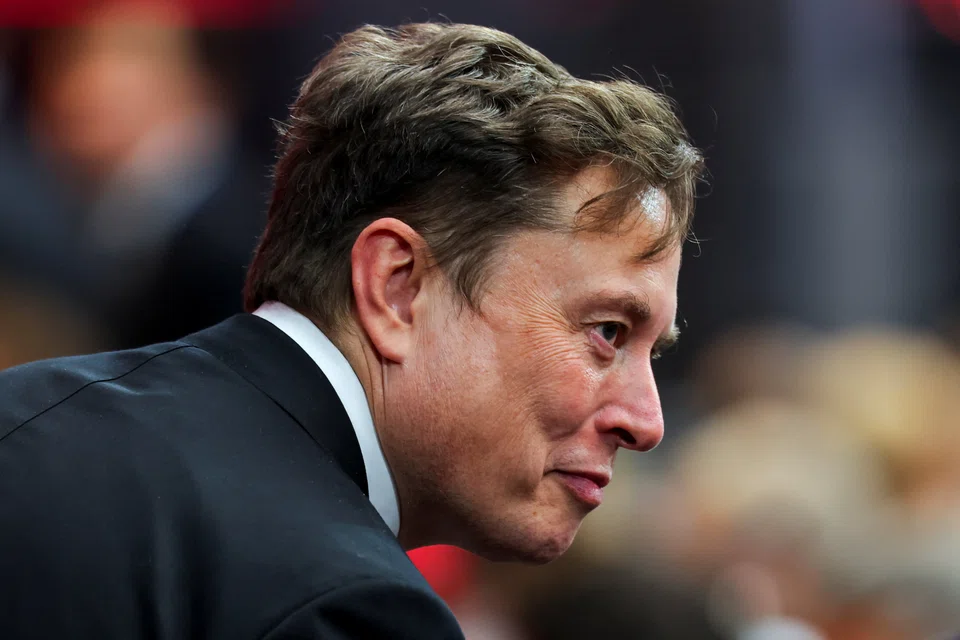
WHEN Elon Musk eventually steps aside from Tesla, markets are likely to shudder. Few companies in history have been so completely identified with one person. Tesla’s stock price swings with his tweets. Decision-making often appears to bend to Musk’s instincts.
Musk’s new trillion-dollar package is an urgent call for Asian boardrooms – it’s time to relook succession. The deal pushes Tesla further from any semblance of a transition plan, subordinating governance to a single figure in a way that should be a stark warning for the region. That urgency is sharpened by timing. Across Asia, a wave of leadership transitions is already underway in family businesses – the backbone of many economies. Trillions of dollars of value, millions of jobs and the vibrancy of whole industries hinge on whether these handovers are managed wisely or left to improvisation.
Whether in family conglomerates across South-east Asia, keiretsu in Japan or state-owned giants in China, the risk of personality-driven leadership is acute. Political dynasties, too, underscore how succession often depends on bloodline and loyalty rather than transparent processes. With Musk’s trillion-dollar package in play, the stakes are even higher now.
Don’t build idols – build institutions
Tesla today is vulnerable because too much of its brand and investor confidence rests on Musk himself. That is precisely the danger Asian firms should avoid. In many parts of the region, founders and patriarchs become synonymous with their companies. The enterprise is defined less by mission and more by personality. When the leader exits, whether by choice or circumstance, the institution struggles to stand on its own.
The antidote is to anchor identity in enduring values and purpose rather than a single figure. Tata Group has managed this better than most. Successive leaders have carried forward its commitment to ethical business and national development, ensuring the group remains larger than any one man. The contrast with Tesla could not be clearer.
Innovation thrives on edge – but must be balanced by governance
Musk surrounds himself with polarising lieutenants who push boundaries and often create internal conflict. That can spark innovation but also leaves little room for checks and balances. Observers frequently note how Tesla’s decision-making reflects the founder’s instincts more than conventional governance practices.
In Asia, the opposite risk prevails – firms often prize harmony to the point of stifling bold decisions. Preserving face and avoiding open disagreement are ingrained cultural values. This stabilises relationships but can slow adaptation. The challenge for Asian leaders is to strike the balance Tesla has failed to find – harnessing edgy, risk-taking leadership without letting it eclipse governance. Samsung’s aggressive early bet on semiconductors shows how boldness can co-exist with institutional backing. Tesla, by contrast, illustrates the risks of allowing charisma to overshadow governance.
Choose future builders, not legacy protectors
Tesla’s leaders are expected to chase the future – from autonomous driving to space exploration. Yet even here, Musk’s influence shapes the picture. People rise more for alignment with his vision than for independent perspective. Innovation flourishes, but only within the orbit of one man.
Asian enterprises face the opposite trap. Successors are often chosen to preserve legacy and family values rather than to reimagine the business. Protecting yesterday’s model, however, can be fatal in fast-moving industries.
The real lesson is neither to replicate Tesla’s cult of personality nor to freeze in legacy. The stronger path is to back leaders who can build futures that extend beyond both the founder and the past. DBS in Singapore exemplifies this shift – it transformed itself from a state-owned bank into a global digital pioneer because leaders were empowered to disrupt, not simply to preserve.
Make succession a transparent process
Tesla’s greatest weakness is its complete lack of a clear succession plan. Investors endlessly speculate about “life after Musk”, and this uncertainty fuels volatility. In Asia, opacity is equally common. Successions are often handled in secrecy, with late-stage announcements presented as fait accompli. That breeds instability, alienates talent and rattles markets.
The remedy is to treat succession as an open, structured process. Temasek in Singapore offers a strong example. When long-time chief executive officer Ho Ching stepped down in 2021, the transition to Dilhan Pillay was the outcome of a multi-year process that was clearly communicated to stakeholders. By the time the change occurred, markets and employees alike were confident in the institution’s continuity. That kind of transparent renewal signals that leadership change is part of institutional strength, not an improvised response. Tesla demonstrates the cost of opacity; Asian firms should heed the warning.
Succession is strategy
Asia is entering a decisive decade. The region is expected to drive global growth, fuel innovation and shape sustainability. But fragile succession practices could undermine this potential – and that of the billions that live here. Tesla offers a cautionary tale. Personality-driven leadership can produce astonishing breakthroughs, but when governance is weak and succession is ignored, fragility lurks beneath the surface. Musk’s brilliance is undeniable, but it comes with trade-offs for governance and institutional resilience.
Asia’s leaders must not confuse charisma with strategy. Succession is not a ceremonial handover; it is a test of governance in action. The institutions that will endure are those that renew their leadership in the open, empower future builders and strike a balance between innovation and governance.
For firms across the region – whether family-owned, state-backed or fast-growing startups – the Musk question is one to reflect on: When the central figure departs, will the enterprise thrive, or will it collapse under the weight of its own dependence?
The writer is a professor of management at ESSEC Business School in Singapore and a globally recognised expert on boards, governance and CEO–board dynamics






